
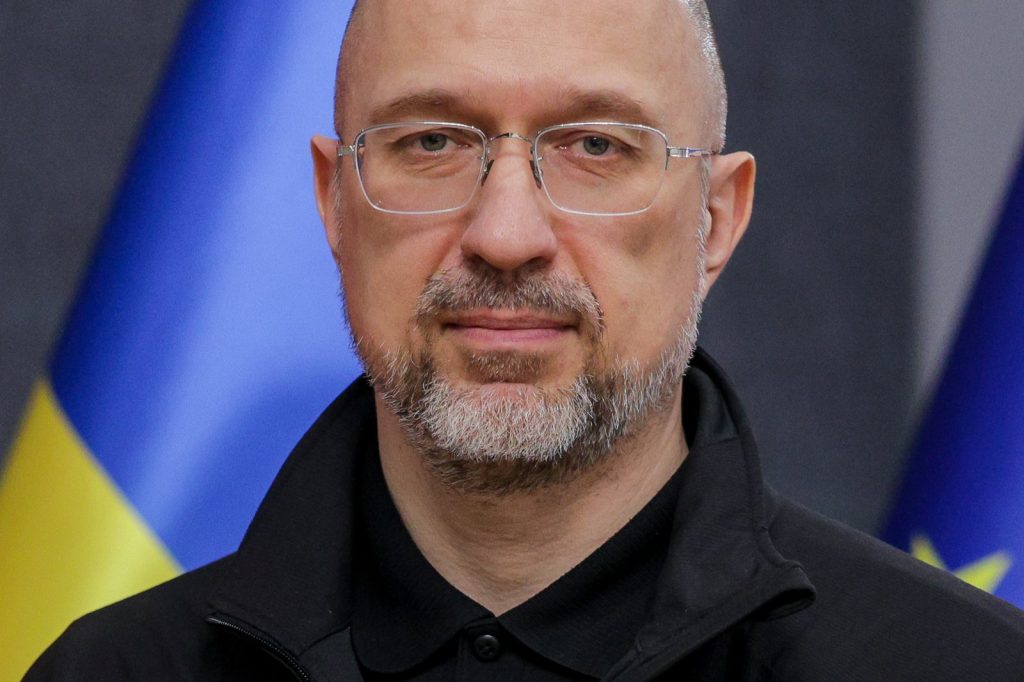
A Sweeping Reshuffle at the Highest Level
The overhaul, announced on September 3, 2024, centers on Shmyhal’s departure. He has served as prime minister since March 2020, when he succeeded Oleksiy Honcharuk. The shake-up affects multiple ministerial positions and represents the most expansive reconfiguration of the cabinet since the invasion was launched on February 24, 2022. Under Ukrainian procedure, Shmyhal’s resignation requires approval from the Verkhovna Rada, the national parliament, where deputies are expected to vote in the coming days. Despite the broad scope of changes, key figures are anticipated to remain in their current roles. Foreign Minister Dmytro Kuleba and Defense Minister Rustem Umierov are both expected to stay in their posts. Umierov, in particular, was appointed in September 2023 to replace Oleksii Reznikov amid a series of corruption scandals within the defense ministry, and has since been tasked with restoring confidence in the defense establishment.
A Record of Wartime Cabinet Changes
This is not the first time Zelenskyy has reorganized his government during the conflict. The first major wartime reshuffle came in July 2022, when the president dismissed several senior officials. Among those removed were Ivan Bakanov, the head of the Security Service of Ukraine, and Prosecutor General Iryna Venediktova. These dismissals came amid allegations of collaboration with Russian forces. A further significant change occurred in September 2023, when Defense Minister Oleksii Reznikov was replaced by Rustem Umierov, following a string of corruption allegations within the ministry that had undermined public and international trust. That appointment was aimed squarely at cleaning up the defense sector and restoring credibility as the war entered its second full year. Umierov has remained in his post throughout the current reshuffle.
Efficiency, Corruption, and the Link to Western Aid
The current changes are officially aimed at improving government efficiency and addressing corruption, according to the source material. These are not merely domestic priorities; they also form a key condition for the continued flow of Western financial and military assistance to Ukraine. The stability and credibility of the cabinet have direct consequences for how allied nations assess the effectiveness of their support. In the corridors of the Verkhovna Rada, deputies are carefully weighing the implications of Shmyhal’s resignation and the broader cabinet overhaul, with the coming vote set to determine whether the president has sufficient parliamentary backing to install a new leadership team.
The Cabinet of Ministers of Ukraine is the highest body of state executive power. It was originally formed in April 1991, while Ukraine was still the Ukrainian Soviet Socialist Republic, with Vitold Fokin serving as the first prime minister. The cabinet replaced the Soviet-era council of ministers and was established to run the country as it moved toward independence later that year. The government is a collegiate body composed of a presidium that includes the prime minister, vice prime ministers, and the ministers themselves. The prime minister presides over the cabinet. Below the ministers, the basic unit of administration is a central office of executive authority, which may hold ministerial status. These offices are chaired by a head, and many function under a ministry, while others operate separately or serve the president or parliament directly.
This entire structure has been tested repeatedly since the full-scale war began in early 2022. A functioning government is essential for coordinating defense, maintaining civilian services, and meeting the conditions attached to international aid. Wartime reshuffles, including the replacement of senior security officials and the defense minister, have consistently aimed to improve efficiency and root out corruption. For Western partners, the credibility of Ukraine’s cabinet remains a direct factor in decisions about continued financial and military support, making the outcome of the current vote a matter of immediate strategic consequence.




