
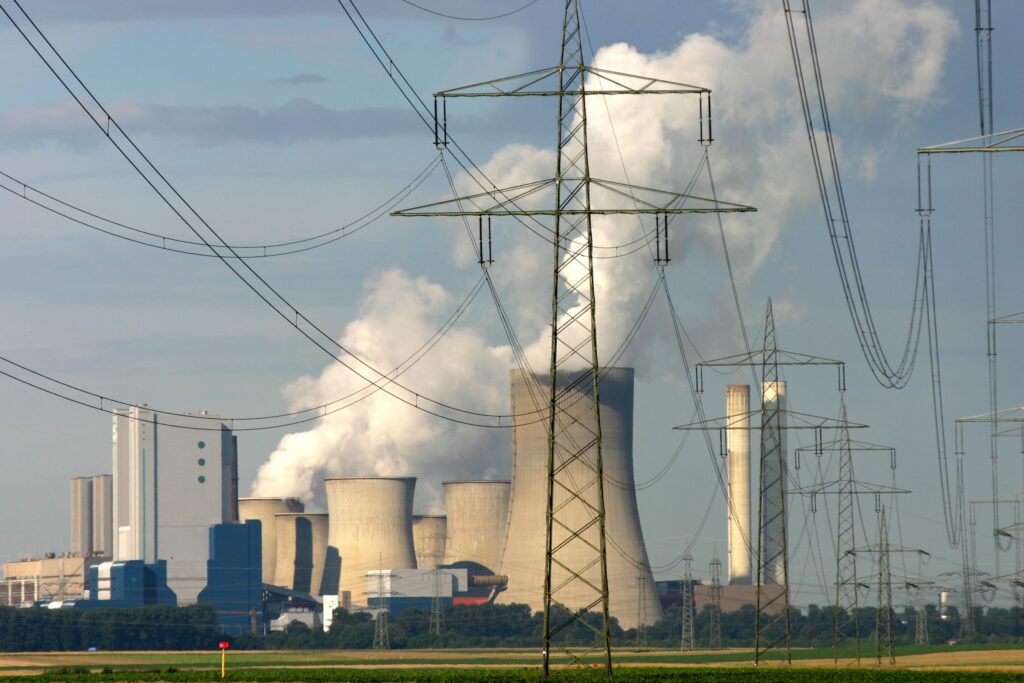
KUWAIT CITY, July 21 — For the fourth straight day, Iranian strikes have hammered Kuwait’s power and desalination plants, cutting into the supply of electricity and freshwater for the country’s 4.5 million residents. The assaults, which began earlier this week, target the very infrastructure that keeps homes running and taps flowing across the arid Gulf state. Authorities have yet to release exact damage or casualty figures, but the disruption is already being felt.
A nation built on desalination
Kuwait draws more than 90% of its freshwater from the sea, relying on massive desalination facilities along its coast. Among them are the Doha East and Doha West plants, critical nodes that turn saltwater into drinking water for millions. When those plants go dark — either from direct hits or cascading power outages — the effect ripples through every household, hospital, and farm.
Iran has used a mix of ballistic missiles and drones in these attacks. The Shahab-3, a medium-range ballistic missile capable of reaching up to 1,200 kilometres, and the Shahed-136 loitering munition — a drone that can circle a target before striking — have both been documented in previous regional strikes.
US presence and regional stakes
The United States maintains roughly 13,000 troops in Kuwait, along with Camp Arifjan. The US administration has condemned the attacks and pledged support to Kuwait. For American forces stationed there, the strikes raise immediate questions about base security and the protection of host-nation infrastructure.
For the broader region, they echo Iran’s previous attacks on Saudi Arabian oil facilities — state-sponsored strikes that crossed a line from proxy warfare to direct assault on a neighbouring country’s critical infrastructure. Kuwaitis old enough to remember the 1990 invasion recognise the pattern: a neighbour using military force to cripple the state’s essential services.
The United Nations and the Gulf Cooperation Council have called for restraint, but the attacks continue. No group has claimed responsibility, though Iranian state media has praised the operations.
Roots in a wider conflict
The immediate trigger is not entirely separate from the long-running tensions over Iran’s nuclear programme and its network of proxies in Yemen and Iraq. This week’s strikes against Kuwait appear to be a direct, state-level operation — not an act by a proxy — and that marks a significant escalation in the Iran-Kuwait conflict specifically. For families across the region, what this means is immediate and practical: water rationing, power cuts, and the anxiety of living under sustained bombardment.
Closer to home — meaning Asian nations that depend on Gulf energy exports — the attacks threaten to push oil prices higher and disrupt supply chains that run through Kuwaiti ports. The fighting may be local, but the consequences are anything but.
What to watch next: whether Iran continues the strikes into a fifth day, how the Gulf states coordinate a response, and whether the US military presence becomes a direct participant in defending Kuwaiti infrastructure. The pattern of escalation — from proxy attacks to direct bombardment — suggests the region is entering a more dangerous phase, one where desalination plants are treated as military targets and water becomes a weapon of war.




