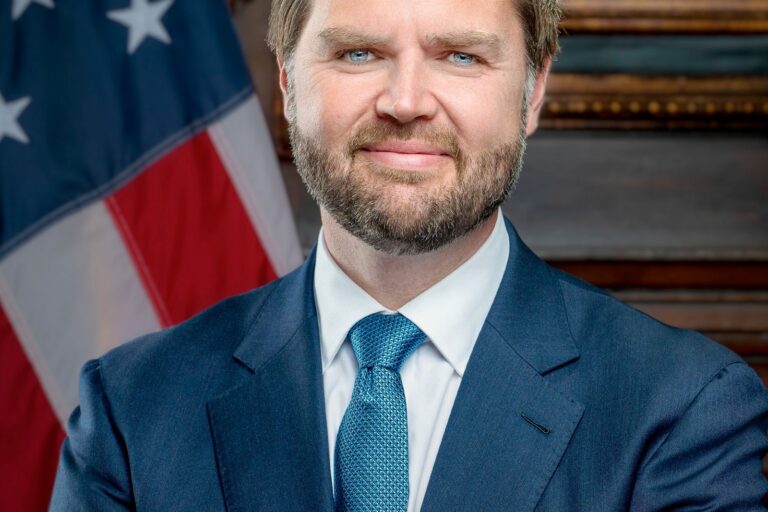
WASHINGTON, November 24, 2026 — Vice President JD Vance and Secretary of State Marco Rubio met separately Monday with Qatar’s prime minister, Sheikh Mohammed bin Abdulrahman bin Jassim Al Thani, as the Trump administration signals a sharp turn away from diplomatic efforts to end the nearly nine-month conflict with Iran. The meetings came days after President Trump told Vance to abandon the Iran portfolio and focus on domestic issues in the wake of Republican midterm losses.
Separate Tracks, Same Interlocutor
Vance hosted the Qatari leader at the White House while Rubio greeted him in the Treaty Room at the State Department, according to officials familiar with the sessions. Qatar has served as the primary mediator in stalled negotiations to halt the fighting, a role that now hangs in doubt. The State Department said afterward that Rubio “expressed appreciation for Qatar’s global mediation efforts and stressed the importance of continued close coordination to deter threats and promote stability and security across the Middle East.” A joint statement on the U.S.-Qatar Strategic Dialogue cited discussions of “shared policy priorities” ranging from the Middle East to Africa and Latin America, but offered no detail on the Iran file.
Trump Redirects Vance After Electoral Defeat
The diplomatic choreography masks a deeper rupture. President Trump instructed Vance this month that the administration did not need a deal with Iran and should instead concentrate on fraud and crime in Democratic-led cities, according to a person familiar with the conversation. The directive followed the Republican Party’s wipeout in the November 2026 midterm elections, which handed Democrats control of both chambers of Congress.
Vance had been the chief negotiator on a brief ceasefire agreement with Iran. In the days after the election, he blamed voter unhappiness with the war for the Republican collapse, a stance that put him at odds with a president unwilling to concede the conflict was a mistake. At a White House news conference Friday, Trump said Tehran wants an agreement but not one “acceptable” to him, insisting “we want to make a real deal, not a fake deal.”
Blockade Holds While Allies Brace
On the ground, the conflict remains in a volatile stasis. Both sides continue sporadic bursts of military action while Trump says he does not see the need to resume major operations. The U.S. has maintained a naval blockade on Iranian shipping in the Strait of Hormuz, the choke point for a fifth of global seaborne oil trade. Mediators have been pushing proposals to lift disruptions in the strait in exchange for limited sanctions relief and a pathway back to broader talks on Iran’s nuclear program.
Allies in the region are watching for signs of whether the administration’s rhetorical shift toward domestic politics presages a military escalation. Fears are growing among U.S. partners about a possible resumption of all-out war, even as the president downplays the prospect. The Qatari prime minister’s visit, scheduled for the biannual strategic dialogue, became a real-time test of whether the mediation channel remains open or whether Washington has decided to let it wither.
Sources
- Vance and Rubio meet with Qatari PM as uncertainty mounts over Trump’s intentions with Iran
- JD Vance
- Why everyone, even the GOP, is sick of JD Vance
- JD Vance called Abdul El-Sayed "very, very evil." Now they're preparing to meet.
- Lawyer Up, JD Vance: Democrats Investigating Vice President
- Vance and Rubio meet with Qatari PM as uncertainty mounts over Trump’s intentions with Iran
Photo: Daniel Torok (Public domain)