
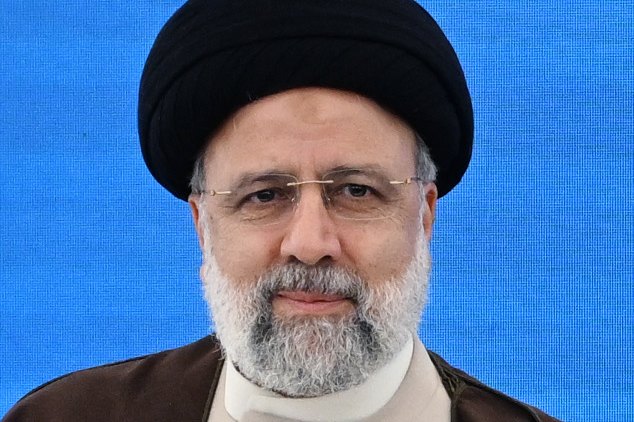
Tehran, August 21 — Iran’s president made a statement that has sent ripples through the Middle East and beyond. According to reports from Middle East Eye, Courthouse News, Dhaka Tribune, France 24, PUKmedia, and DW, the leader declared that “it is time to end the war while Iran is in a position of strength.” The exact words of the statement, the location where it was made, or the circumstances surrounding it remain undisclosed.
What is clear is that the message was framed as a strategic and domestic-political signal, one that could reshape perceptions both abroad and within Iran. PUKmedia, a Kurdish news outlet based in the region, highlighted the statement as a breaking story, emphasizing its potential to influence regional dynamics.
The outlet’s coverage suggests that Iran’s leadership is positioning itself as a dominant force in the conflict, a claim that could have profound implications for negotiations or a possible cessation of hostilities. For a nation still reeling from years of war, the timing of such a declaration is significant. It follows a period of reported military advancements or shifts in the battlefield, though the specifics of those developments are not detailed in the available sources.
Domestic Implications of a “Strong” Position
Historically, such declarations have been used to unify populations during conflicts. In Iran’s case, the emphasis on strength may resonate with factions that view the war as a test of national resolve. Yet, the absence of concrete details—such as troop movements, negotiated terms, or economic metrics—leaves room for skepticism.
Without specific figures on casualties, economic costs, or military achievements, the statement risks being interpreted as vague political posturing rather than a credible assessment of Iran’s standing.
International Reactions and Regional Stakeholders
The U.S. administration, under President Donald Trump, has consistently framed Iran as a destabilizing actor in the region. The president’s statement could be seen as a challenge to that narrative, suggesting that Tehran believes it has the upper hand. However, the U.S. government has not yet responded publicly to the declaration, leaving the international community to assess its significance based on the limited information available.
For countries directly involved in the conflict, the statement raises questions about the future of hostilities. If Iran is indeed in a position of strength, it could signal a shift in the balance of power.
Yet, without verifiable details, such interpretations remain speculative. The lack of transparency in the president’s message also complicates efforts by mediators or adversaries to gauge Iran’s true intentions.
Unanswered Questions and the Path Forward
Domestically, the president’s words may also influence how Iranians perceive the war’s legacy. A successful resolution framed as a victory could strengthen nationalist sentiment, while a failure might fuel dissent. For now, the government faces the challenge of managing expectations.
Citizens may demand proof of Iran’s strength, whether through diplomatic agreements, economic stability, or reduced military engagement. Without such evidence, the statement risks becoming a hollow promise.
The situation remains fluid. The president’s declaration is not a final act but a statement of intent. What happens next will depend on diplomatic efforts, military developments, and the ability of Iran’s leadership to deliver on its claims.
For now, the world watches, waiting to see whether the president’s assertion of strength translates into a meaningful end to the conflict or merely another chapter in a complex and volatile chapter of regional history.




