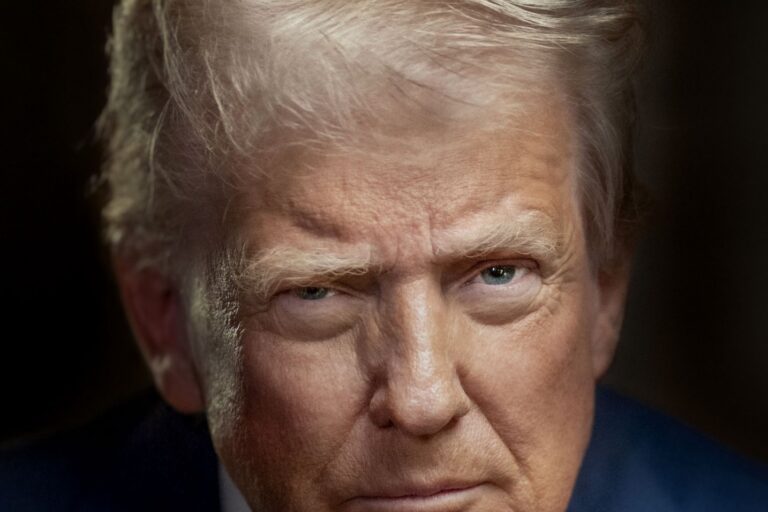
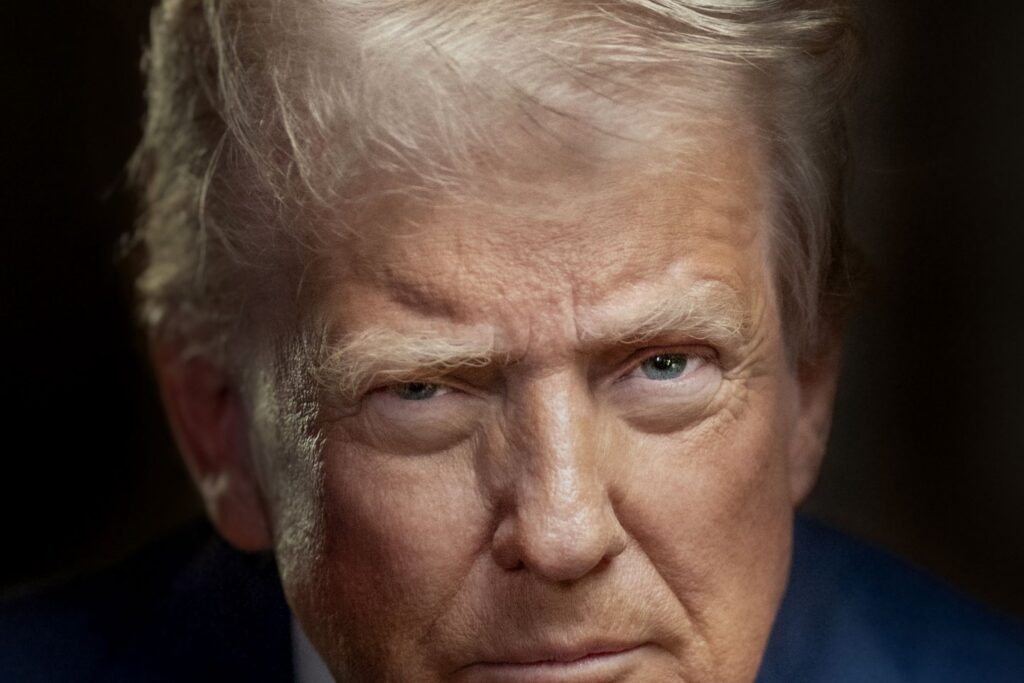
WASHINGTON, D.C., November 24, 2026 — U.S. President Donald Trump has warned he may resume military operations against Iran as early as next year if stalled diplomacy fails, blaming Tehran for dragging out talks while accusing Iranian officials of acting like “professional tap dancers.” On the ground, the scene is one of escalating tension, with the Strait of Hormuz virtually paralyzed and regional powers urging restraint.
A New Deadline and a Familiar Blame Game
In a Fox News interview, Trump extended his threat timeline, suggesting 2027 as a potential date for renewed strikes if negotiations collapse. He squarely blamed his party’s midterm election loss for what he described as Iran’s increased aggression. “I predicted two things concerning the November 3rd Midterm Elections,” Trump wrote on Truth Social, “including a more assertive Tehran in the event of a strong showing by the Democrats.”
The president’s comments come as the war, which began in February 2026, shows no signs of abating. Trump claimed Iran has fired more drones and missiles in the past week than at any point since the conflict started, though he noted all were intercepted. This surge in attacks, residents describe, has created a constant, low-level hum of anxiety across the region.
Sticking Points in the Desert
The core of the impasse remains the same: Iran’s nuclear program and the U.S. response. Iran’s Deputy Foreign Minister Kazem Gharibabad confirmed talks with mediator Qatar are ongoing to find a diplomatic end to the war. However, he stressed a non-negotiable condition: Iran’s enriched nuclear material cannot be transferred out of the country in any deal.
This hardline position underscores the chasm between the two sides. The U.S. demands stricter restrictions on Iran’s nuclear activities, while Iran insists on lifting sanctions, ending the naval blockade, and unfreezing assets before formal talks can even begin. By nightfall, the fundamental disagreements remain as entrenched as the desert sun.
A Global Chokepoint and an Economy in Freefall
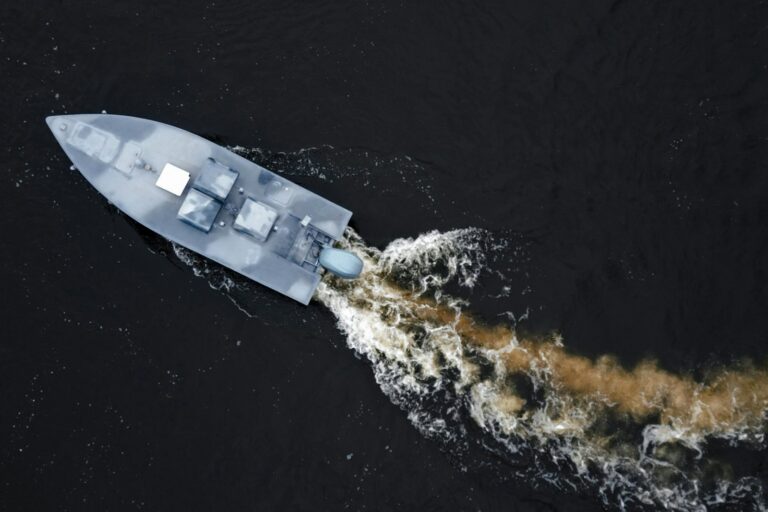
Nowhere is the conflict’s impact more visible than in the Strait of Hormuz. The vital waterway is virtually at a standstill. According to the ‘Hormuz Strait Monitor’ website, just two ships have passed through in the last 24 hours, compared to an average of 60. Around 400 vessels remain stranded, with traffic volume plummeting to a mere 3 percent of normal levels.
This blockade is crippling Iran’s economy. Inflation has surged to 90%, worsening a deepening economic crisis as the country is prevented from exporting oil and importing essential goods. Iran’s state media has warned the blockade will be broken, with Tasnim news agency citing repeated official statements on defiance. “That Iran will not tolerate a long-term naval blockade and will certainly break it is a foregone conclusion,” the outlet reported.
Regional Pressure and a Path Forward?
The rising tensions have not gone unnoticed by Iran’s neighbors. Arab Gulf states are urging Trump to avoid further hostilities after Iran’s recent strikes on Bahrain and Kuwait injured civilians. The attacks, which targeted U.S. military installations and an industrial facility, have fueled fears of a wider regional war.
Qatar continues its mediation efforts, with spokesperson Majid al Ansari stating that Doha is holding meetings with all parties to “bridge the differences and reach an agreement that will ease regional tensions.” Al Ansari urged all sides to refrain from actions that fuel the conflict, though he declined to disclose details of the ongoing talks. The next steps remain unclear, with the question of whether Trump’s election loss will shift U.S. strategy or if Iran’s defiance will trigger new strikes hanging over the region.
Sources
- Latest news on the war in the Middle East. Iran: Strait of Hormuz virtually paralysed, 400 ships waiting. Houthis strike skyscraper in Riyadh
- Trump Suggests Iran Strikes Will Resume Next Year if Talks Fail
- Trump suggests Iran strikes will resume next year if talks fail | Jefferson City News-Tribune
Photo: Daniel Torok (Public domain)