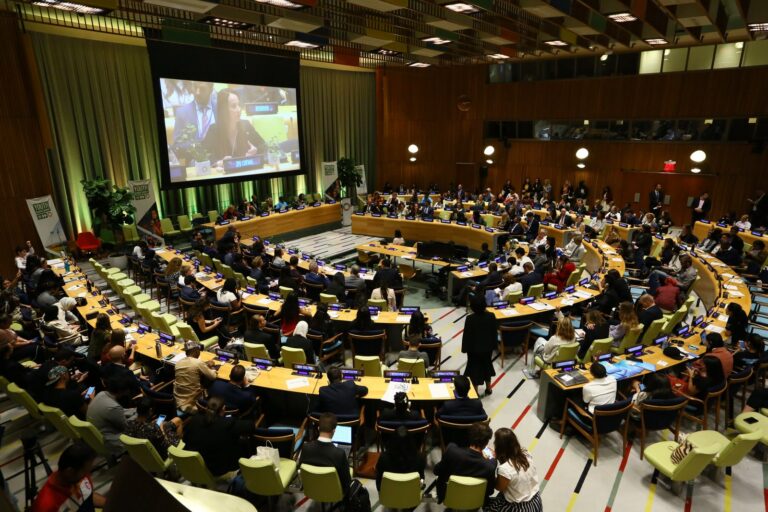
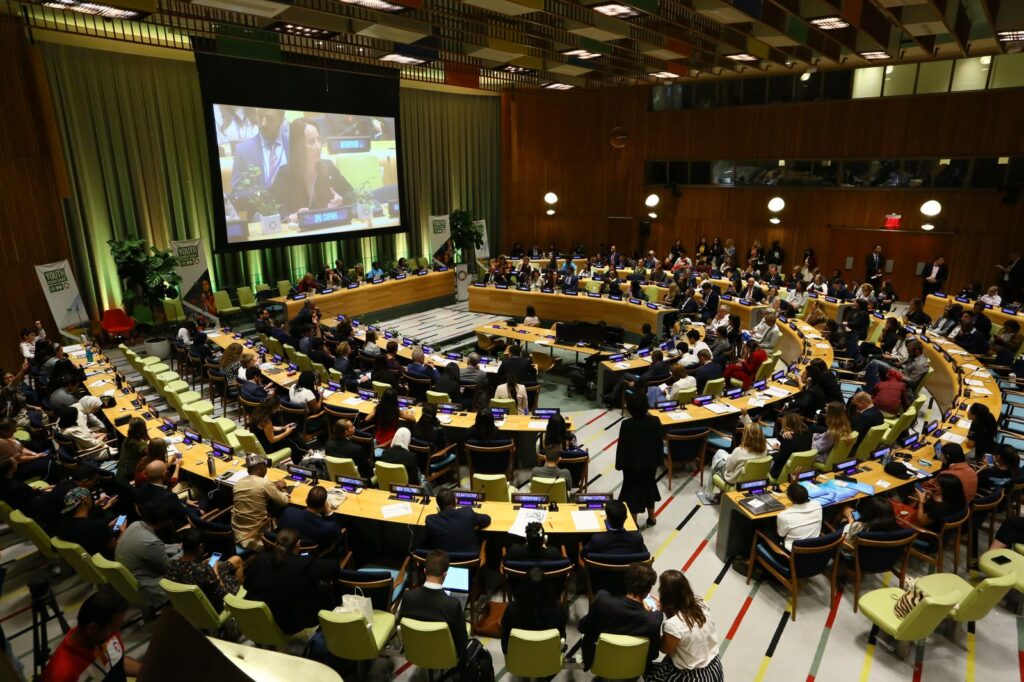
ANTALYA, November 23, 2026 — The world’s longest-ever UN climate talks collapsed in Antalya on Sunday after a bitter dispute over the final agreement’s failure to mention fossil fuels, leaving nations without a new pact to tackle the crisis.
A Single Word That Stalled the World
The breakdown of COP31, which overran by two days, hinged on a single, explosive issue: the omission of the term “fossil fuels” from the proposed “Antalya pact.” The European Union, the UK, and a coalition of developing nations drew a firm red line, rejecting the draft as a dangerous failure. For these countries, a climate agreement that does not name the primary driver of the climate crisis is a non-starter.
Irish Environment Minister Darragh O’Brien, speaking for the EU, was blunt in his rejection. He called the deal “greenwashing” and said it “failed to meet the moment.” “We will not endorse a decision that does not respond to the science and that actually risks deepening the chasm between global commitments and the action required,” he stated. “It does not even mention fossil fuels.”
This rejection was met with equal firmness from the other side. Countries including Saudi Arabia, Russia, and India actively blocked any mention of fossil fuels in the final text. Their opposition ensured that a consensus on the overarching political declaration was impossible to reach. The summit, which began on November 9, became the longest in UN climate history, surpassing the delays seen at COP25 in Madrid.
Geopolitics Trumps Cooperation
As the clock ran out, the presidency acknowledged the deadlock. COP31 President Murat Kurum of Turkey confirmed there was “no consensus on this document” after a fourth draft was rejected. “We have done our utmost,” he said. “Ultimately, we have not imposed this text on anyone, nor have we issued an ultimatum such as a ‘take it or leave it’ demand.”
The head of negotiations, Australian Minister Chris Bowen, described the geopolitical landscape as uniquely toxic. “The situation coming into this COP was the most complicated and fraught geopolitical environment in living memory,” he told reporters. He pointed to “unbridgeable red lines,” explaining that issues that were manageable in the past had become deal-breakers this time.
The failure to agree on a political declaration left many nations feeling betrayed. Pacific island nations, which face an existential threat from rising sea levels, said they felt “let down” by the outcome. Similarly, the chair of the African Group of Negotiators told the BBC that the intense focus on fossil fuel language had overshadowed critical discussions about adaptation funding for developing nations.
A New ‘Reality Check’ Amid the Stalemate
Even as the main talks collapsed, one significant piece of business was completed. During the summit, countries launched the second Global Stocktake, a five-yearly “climate reality check” under the Paris Agreement. This process measures whether the world’s collective promises on cutting emissions and adapting to climate change are actually adding up to enough action.
UN climate chief Simon Stiell framed this as a moment of urgent truth-telling. “We have two years,” he said, urging governments to turn the targets from the first stocktake into tangible progress. The second Global Stocktake will conclude in 2028, just two years before the critical 2030 deadline for nations to significantly cut their emissions.
While the presidency noted that other agreements were achieved during the summit, including on the electrification of economies, the failure to produce a final political declaration is a major setback for global climate cooperation. The summit’s end, marked by the longest negotiations in history and a text that could not even name the problem it was meant to solve, leaves the world to face the climate crisis without a new, unified plan of action. The next scheduled UN climate conference is COP32.
Sources
- COP31 climate summit ends in bitter failure as oil producers object to words “fossil fuels” in final declaration
- 2026 United Nations Climate Change Conference
- COP31 deadlock persists as countries launch new ‘climate reality check’
- COP31 climate talks break down after angry dispute over fossil fuels
- EU at COP31
- COP31 climate talks end with no deal after fossil fuels row derails hopes of agreement
Photo: Stuart Ramson for United Nations Foundation (CC BY-SA 4.0)