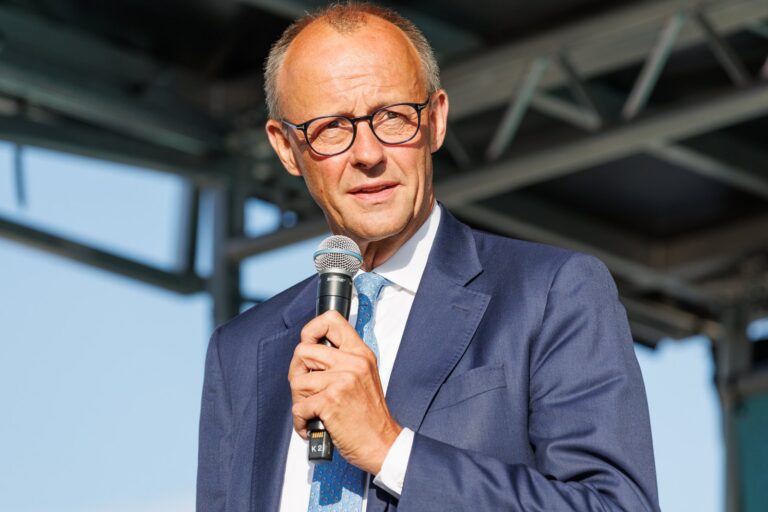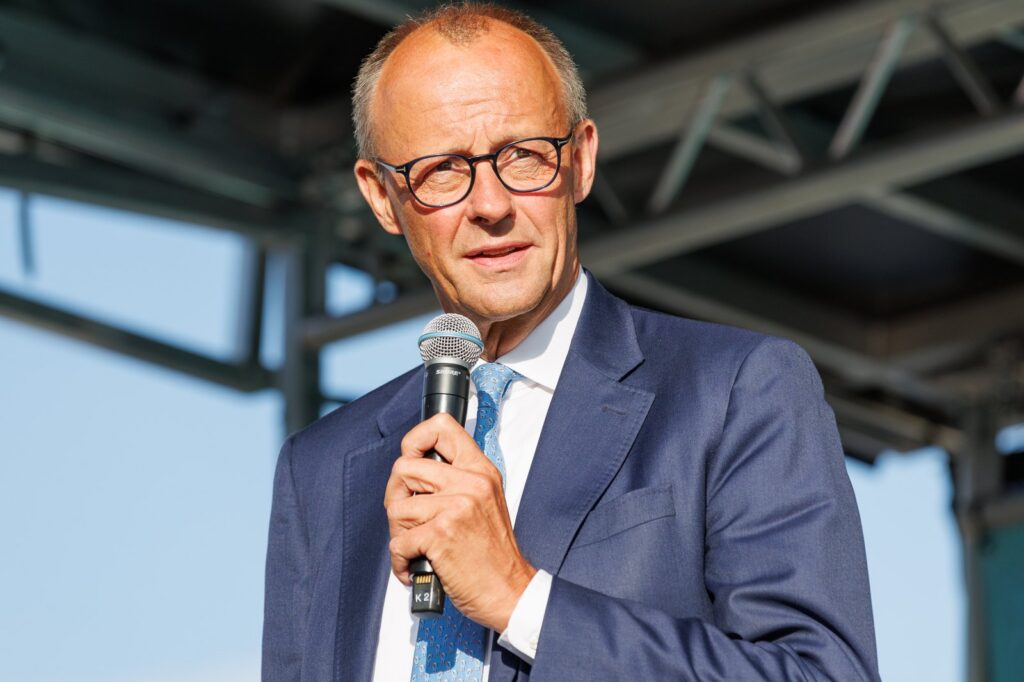
BERLIN, November 20, 2026 — German Chancellor Friedrich Merz declared Thursday that the war in Ukraine can only end through diplomacy, using a summit of 37 nations to demand a formal European seat at any future negotiating table. The gathering in Berlin unfolded in the shadow of a historic trilateral meeting in Shenzhen between Donald Trump, Vladimir Putin, and Xi Jinping, a convergence that Merz dismissed as a “photo opportunity” incapable of delivering a just peace.
The Berlin Summit and the Coalition of the Willing
Delegations from 37 countries assembled at the German Chancellery on Thursday for the Coalition of the Willing summit, issuing a joint commitment to sustain support for Ukraine. The meeting required one of the most extensive security operations Berlin has mounted in recent years, with manhole covers welded shut along main approach routes by early morning. At the podium, Merz stood alongside French President Emmanuel Macron, British Prime Minister Andy Burnham, Ukrainian President Volodymyr Zelensky, and U.S. envoys Jared Kushner and Steve Witkoff — an unusual alignment that carried its own symbolic weight.
Merz handed each delegation a piece of the Berlin Wall, a deliberate warning against any “Yalta-style” redivision of Europe. “A Yalta format cannot bring peace,” the Chancellor said, referencing the 1945 conference where Roosevelt, Churchill, and Stalin shaped the post-war order. The coalition’s joint statement reiterated that international borders must not be changed by force and that Ukraine retains the sovereign right to choose its security arrangements. It also welcomed Zelensky’s willingness to agree to an immediate ceasefire and enter meaningful negotiations with direct dialogue between Ukraine, Russia, the U.S., and Europe.
A Four-Way Framework Takes Shape
Against this backdrop, the push for a four-way negotiation structure has crystallized. Zelensky insisted on rapid European involvement in U.S.-mediated talks, stating plainly: “Ukraine, Europe, the US and Russia. We are counting on that very much.” He confirmed that separate discussions with U.S. mediators Witkoff and Kushner on the timing and agenda of the next meeting were already underway. Merz confirmed that European leaders are prepared to engage directly with Putin, suggesting the United Arab Emirates as a potential venue for talks on neutral ground.
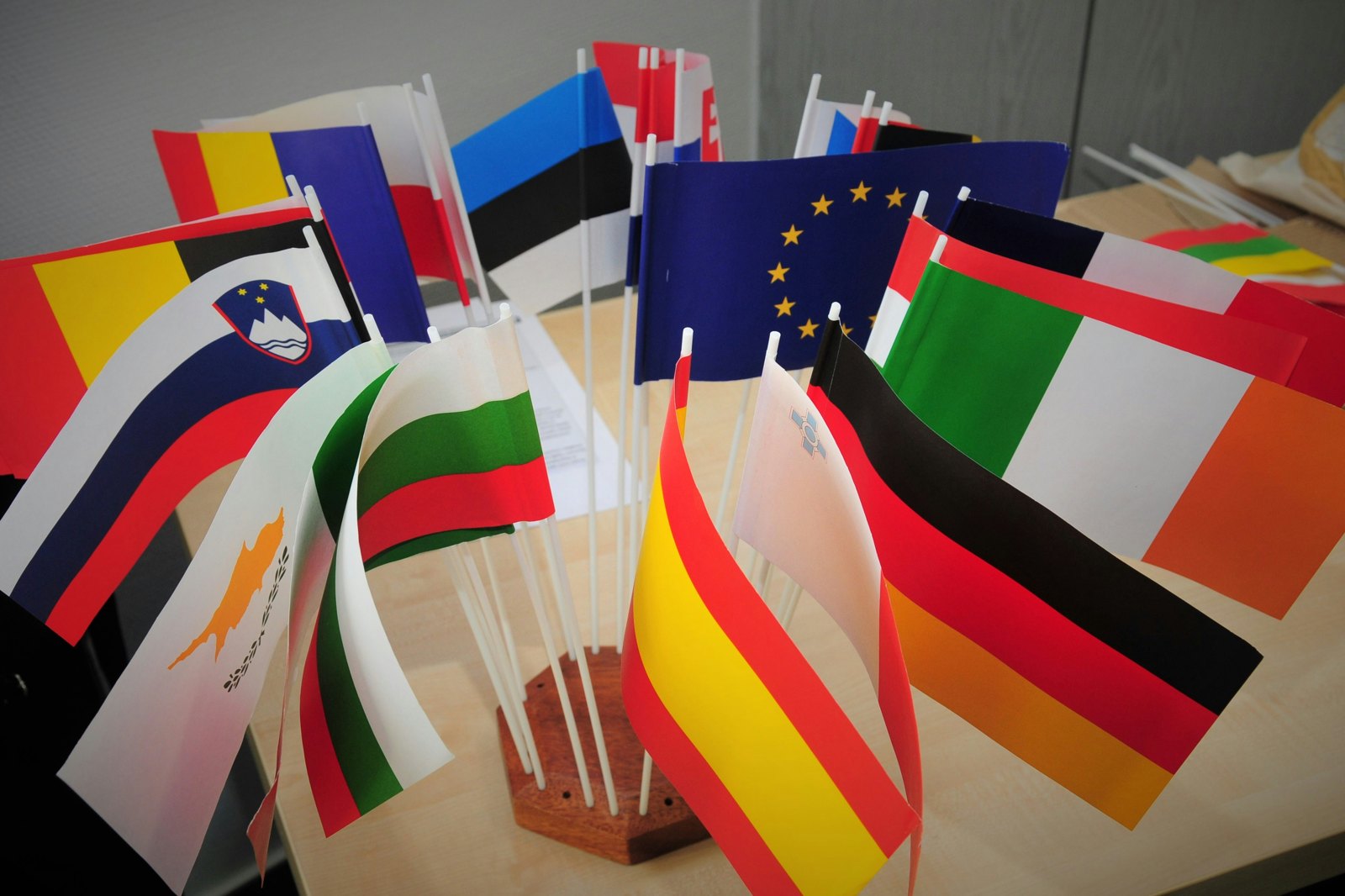
European interests in this framework are set to be represented by a core quintet: Germany, France, the United Kingdom, Poland, and Italy. This configuration reflects a strategic calculation to balance the EU’s major powers with the eastern flank states most exposed to Russian aggression. The coalition also outlined a concrete three-part architecture under the shared co-chairmanship of Germany, France, and the UK: sustained financial and military backing; a readiness to deploy a European-led multinational force to provide security assurances after a ceasefire, alongside a separate U.S.-led verification mechanism; and a commitment to shaping Ukraine’s ultimate security guarantees.
Navigating the Transatlantic Current
The Berlin summit began just hours after Trump, Putin, and Xi convened at Kylin Villa in Shenzhen for the first formal three-way meeting of the nuclear powers. Their encounter produced a four-point declaration covering UN reform, petroleum supplies, state immunities, and nuclear-risk reduction — notably omitting Ukraine and Iran from the final text, though Trump said both were discussed. The simultaneity of the two gatherings cast a long shadow over the Chancellery. Putin acknowledged in Shenzhen that discussing European security is “pointless without Europeans” and said Russia had invited European leaders to Moscow, while rejecting any military cooperation between Europe and Ukraine.
In the corridors of the Chancellery, U.S. envoys sought to align the transatlantic wavelength. Kushner stressed that Trump is “not looking to impose anything unilaterally” and wants to reach an agreement “with Europe and Ukraine.” He added that any security guarantee for Ukraine would be based on Article 5 principles, a concept the U.S. has already briefed to the Russians. Witkoff and Kushner are currently managing the timing and agenda for potential future meetings, a detail that underscores the persistent American grip on the diplomatic calendar even as Europeans demand a seat.
What Is at Stake
The wider picture reveals a continent attempting to translate economic weight and geographic proximity into diplomatic agency. The coalition’s proposed Multinational Force Ukraine is intended to underpin post-ceasefire security, with joint military exercises currently underway in Poland giving the commitment operational substance. Merz’s rejection of a Yalta reprise is rooted in a specific historical memory: the division of the continent decided over the heads of those who lived there. By gifting fragments of the Wall, he framed the current moment as a test of whether Europe has learned to insist on its own presence when its future is bargained for. The next talks are expected “soon,” though no concrete date has been set.
Sources
- Diplomacy the only way forward, Merz tells Coalition of the Willing
- Friedrich Merz
- German chancellor warns Islamic immigrants, others to honor nation's Holocaust legacy or leave
- New Ukraine talks including Europe to be held 'soon,' Germany's chancellor says
- Merz: Aviation is key industry for Germany
- Berlin summit brings 37 countries together to back Ukraine as Trump, Putin and Xi meet separately in Shenzhen
Photo: Steffen Prößdorf (CC BY-SA 4.0)