January WTI crude oil climbed 1.60 percent as attacks on shipping in the Persian Gulf and Red Sea intensified, a move that ripples far beyond trading floors and into the daily budgets of families across the region.
A Narrow Passage With Outsized Influence
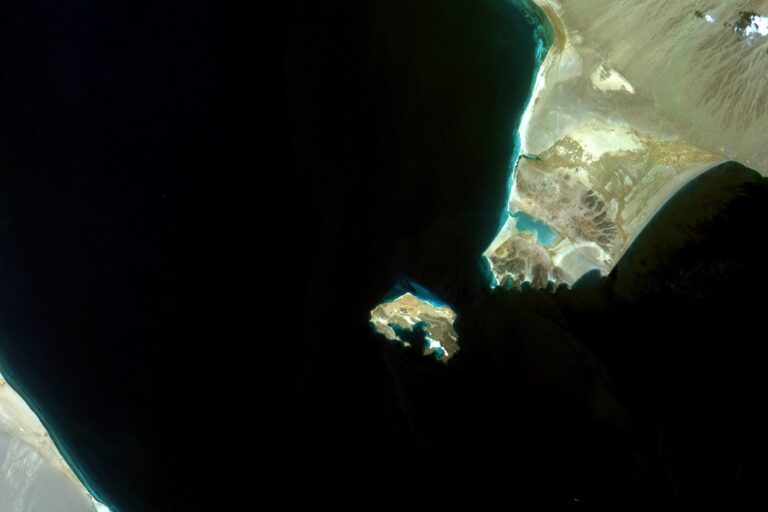
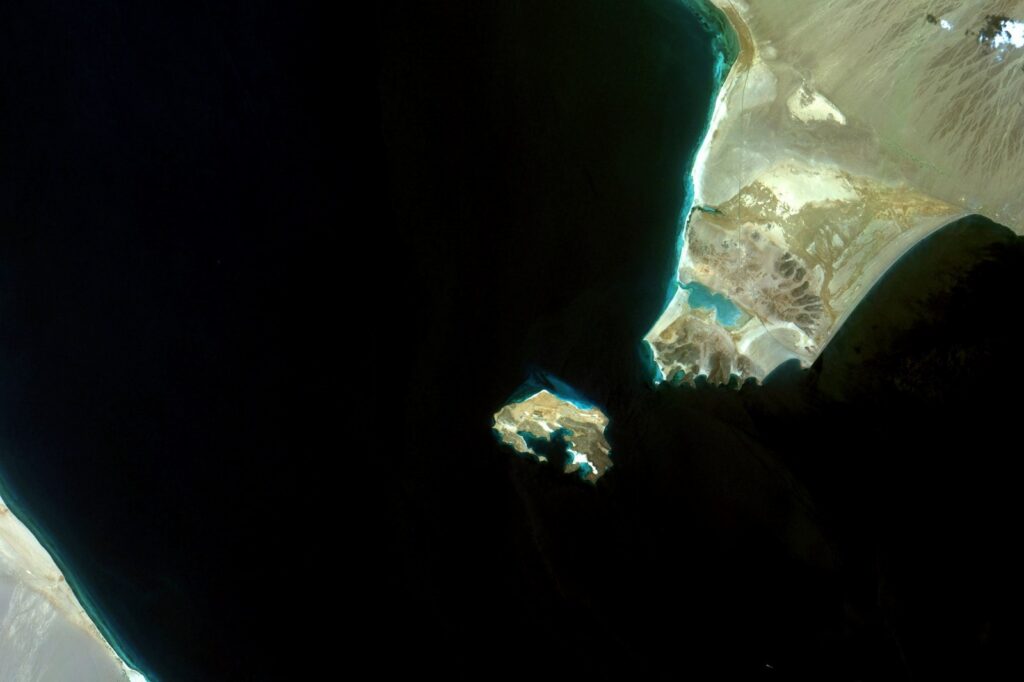
The Bab-el-Mandeb Strait sits between Yemen on the Arabian Peninsula and Djibouti and Eritrea in the Horn of Africa, linking the Red Sea to the Gulf of Aden and the Indian Ocean. About 12 percent of world trade moves through this channel, according to Eurasia Review, making it a vital artery for energy, food, and manufactured goods that reach communities from Manila to Mumbai.
Houthi Consolidation Reshapes Control
In September, Houthi forces seized Yemen’s Port of Mokha, handing the Iran-backed group effective influence over the strait, Andrew Leber of the Carnegie Endowment for International Peace told Eurasia Review. The advance followed a repositioning of forces aligned with Yemen’s internationally recognized government away from positions overlooking the waterway in mid-November, according to Horn Review, which placed Houthi units roughly sixty kilometers from Aden.
Trade Volumes Cut Nearly In Half
Transit volumes through the strait remained approximately 47 percent below pre-crisis levels in September 2026, Anadolu Agency reported. The US Maritime Administration documented more than 100 separate attacks on commercial vessels between November 2023 and October 2025, affecting ships linked to more than 60 countries. Each diverted voyage adds days at sea and thousands of dollars in fuel costs that eventually show up in what people pay for basics.
Insurance Costs And Piracy Return
The diversion of naval resources toward the Red Sea and Strait of Hormuz has pulled patrols away from the Somali coast, Matthew Reisener of the Center for Maritime Strategy told Eurasia Review. Traffic pushed closer to Somalia’s shoreline has fueled a piracy resurgence, including the April hijacking of the Palau-flagged tanker Honour 25 near Eyl, where five crew members were killed during a rescue attempt. Higher war-risk premiums now burden African economies that depend on imported fuel and grain.
A Humanitarian Corridor Under Fire
Beyond commerce, the strait is a migration route and aid lifeline. Last year, more than 900 people died or went missing attempting the crossing, according to Almendron’s Tribuna. In October 2026, a boat carrying nearly 300 people fleeing violence and persecution capsized off Djibouti. Millions in Yemen and the Horn of Africa rely on relief shipments that now thread through a war zone.
What It Means Closer To Home
For communities across Asia, the strait’s disruption means costlier cooking oil, pricier petrol, and delayed shipments of everything from electronics to medicine. The overlapping pressure on Bab-el-Mandeb and the Strait of Hormuz creates what analysts describe as a dual chokehold on the energy and trade routes that sustain livelihoods far from the front lines.
Sources
- Crude Prices Climb on Escalating Attacks on Shipping in the Middle East
- Bab al-Mandab Strait
- Major Pressure Points in the Bab el-Mandeb and Its Implications for Ethiopian Trade Security
- Yemen and Bab al-Mandeb: Second maritime front in the US–Iranian confrontation
- Fighting in Yemen has made crossing the Bab el‑Mandeb even more dangerous – jeopardizing aid and refuge for millions
- Al-Shabaab’s Houthi Collaboration Threatens Global Trade
Photo: Coordenação-Geral de Observação da Terra/INPE (CC BY-SA 2.0)