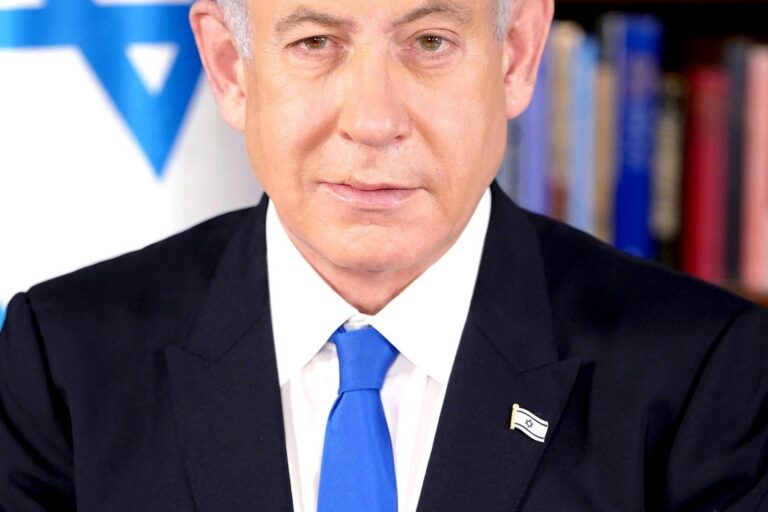
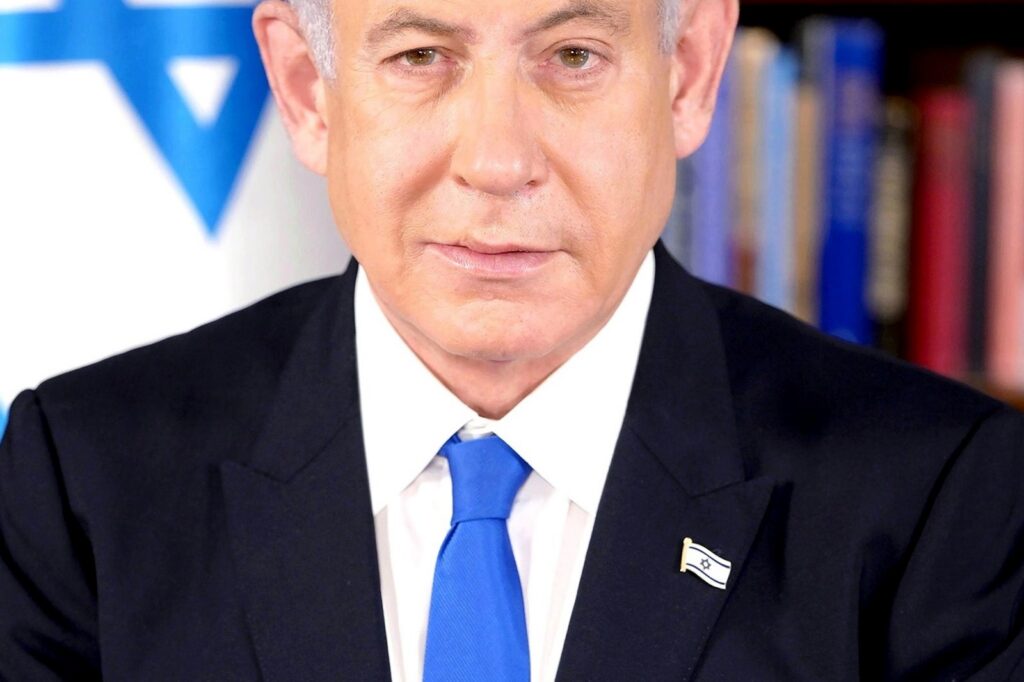
The debate over Qatari funding for Gaza has intensified since the Hamas-led attacks of Oct. 7, 2023, with critics accusing Israeli Prime Minister Benjamin Netanyahu of effectively financing the militant group by permitting the transfers. A closer look at the policy reveals a decision shaped by international pressure and a shared security assessment among Israel’s defense establishment that economic relief could stave off a deeper humanitarian catastrophe and reduce the likelihood of another war.
International Pressure and Humanitarian Concerns
Israel’s decision to facilitate Qatari financial assistance came against the backdrop of mounting international demands to alleviate the humanitarian crisis in the Hamas-ruled territory. By 2018, the Palestinian Authority, headed by Mahmoud Abbas, had reduced its own financial support for Gaza, while tensions along the Israeli border were escalating. International organizations and foreign governments were pressing for services to be maintained and for assistance to reach civilians, creating a diplomatic environment in which Jerusalem felt compelled to act.
A Security Calculation Shared by Military Leadership
Netanyahu and Israel’s security establishment calculated that improving economic conditions for impoverished families could lower tensions and avert a complete humanitarian collapse. This view was not unique to the prime minister. Gadi Eisenkot, who served as IDF chief of staff from 2015 to 2019, consistently advocated for easing restrictions and providing economic assistance.
In February 2018, Eisenkot warned the Security Cabinet that deteriorating humanitarian and economic conditions in the strip could lead to another war and supported increasing assistance. Later that year, in November, he argued in favor of delivering humanitarian relief despite opposition from then-Defense Minister Avigdor Lieberman. By January 2019, near the end of his term, Eisenkot defended the Qatari money transfers directly, warning that without the funds, “the explosion will come sooner.”
Continuity Across Governments
The policy extended beyond Netanyahu’s tenure. When Naftali Bennett served as prime minister from 2021 to 2022, and later when Yair Lapid held the office in 2022, both continued to facilitate the Qatari assistance. The origins of the aid trace back further, beginning after Hamas forcibly seized control of Gaza in 2007, when Ehud Olmert was prime minister. The arrangements became particularly significant in 2018 as the Palestinian Authority pulled back and border tensions rose.
What It Means for Communities
For families across the region, the policy represented a fragile lifeline intended to keep basic services running and prevent a total economic breakdown. While critics argue the arrangement strengthened Hamas, the historical record shows it was rooted in a broader security assessment shared by senior military officials who believed that desperation in the strip posed a more immediate threat of violence. The political debate, Eisenkot’s own later accusations notwithstanding, reflects a complex history where humanitarian pressure and security logic intersected across multiple Israeli administrations.
Sources
- Qatar’s money for Gaza: The truth about Netanyahu, Hamas and humanitarian aid
- Art Basel unveils exhibitors for its 2027 Qatar edition
- Facts, stats and trivia ahead of the 2026 Qatar GP
- Updates To UFC Qatar
- Five things to look out for at F1’s Qatar GP
Photo: Avi Ohayon (CC BY-SA 3.0)