
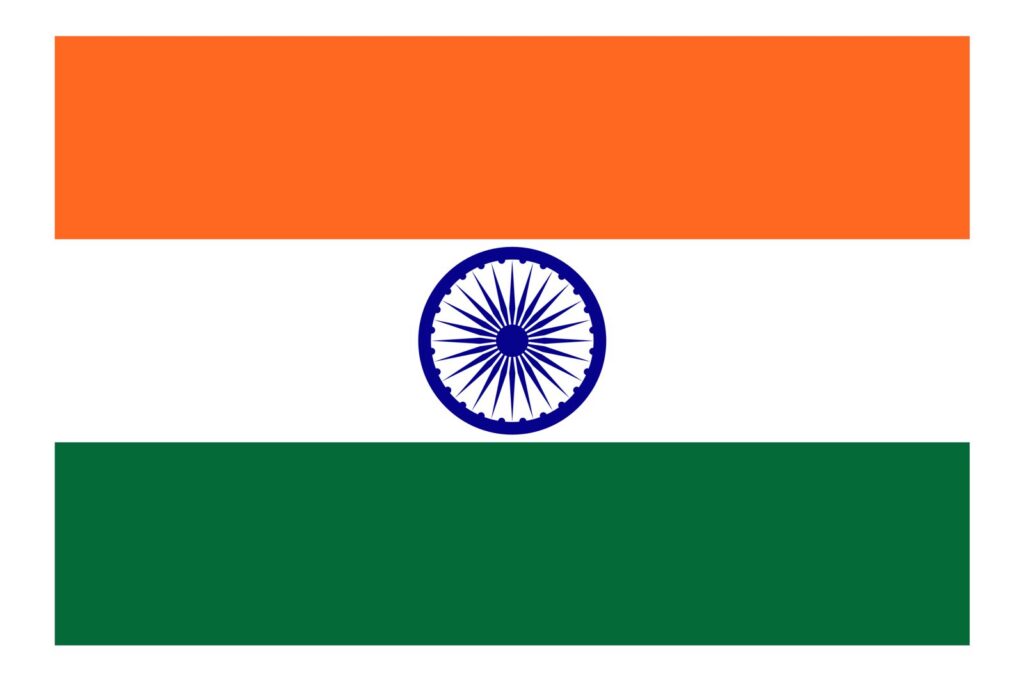
NEW DELHI, November 9, 2026 — President Volodymyr Zelensky said on Sunday he had spoken with Prime Minister Narendra Modi, urging India to identify concrete steps to help end the war as Ukrainian, Russian and U.S. delegations prepare to meet in Abu Dhabi on November 10–11. Zelensky highlighted food security as a priority, specifically citing Russia’s blockade of grain exports via the Black Sea, and said New Delhi had signalled a willingness to help mediate the establishment of food corridors.
Why Zelensky Chose India
Kyiv’s outreach reflects a calculation that India occupies a rare diplomatic sweet spot: it maintains a neutral stance, calling for dialogue and diplomacy, while simultaneously serving as Russia’s top oil buyer and a major trading partner. Bilateral trade has expanded to more than $70 billion annually in 2025, and India accounts for roughly 10 percent of Moscow’s oil exports — equivalent to about 30 percent of Russia’s non-Western crude sales. That economic weight gives New Delhi leverage few other capitals possess, even as Modi’s government has avoided public criticism of the Kremlin.
The dynamic shifted noticeably in September. Foreign Minister Subrahmanyam Jaishankar visited Kyiv on September 3 and pitched a ceasefire framework that included a pause in strikes against energy infrastructure and a halt to attacks on Black Sea shipping — proposals that largely mirror those already discussed between Kyiv and Washington. Days later, Modi hosted Vladimir Putin in New Delhi and reiterated India’s standard line that dialogue and diplomacy remain the way forward, without committing to a formal mediation role. Notably, Jaishankar had earlier described civilian casualties in the war as “unacceptable,” a rare departure from New Delhi’s usual studied ambiguity.
The Grain Leverage
India’s interest in Black Sea grain corridors is not purely altruistic. The disruption of Ukrainian and Russian wheat exports has directly threatened New Delhi’s own food imports, creating an unusual alignment of economic self-interest and humanitarian concern. Zelensky’s public framing — food security “could be one such area” where India acts — suggests Kyiv views the grain issue as the most viable entry point for Indian involvement. For all the noise about neutrality, the salient point is that India’s dependence on stable grain flows may compel it to pressure Moscow on export blockades in a way broader peace rhetoric has not.
Trade Ties and Diplomatic Risk
The $70 billion trade relationship, anchored by energy purchases, complicates any mediation push. Putin’s reliance on Indian revenue creates an opening for New Delhi to nudge Moscow, but Modi has so far treated that leverage as a strategic reserve rather than an active tool. Pushing too hard on grain corridors or energy infrastructure pauses risks alienating a partner that supplies discounted crude and a growing market for Indian goods. The Abu Dhabi talks will test whether India’s “dialogue and diplomacy” formulation translates into concrete proposals — such as guaranteeing safe passage for grain vessels — or remains symbolic.
Domestic Priorities, Global Ambitions
India’s diplomatic calculus unfolds against a backdrop of acute domestic pressures. The elderly population stood at 10.5 percent in 2022 and is projected to reach 21 percent by 2050, swelling the ranks of seniors to roughly 347 million — nearly the current population of the United States. The government estimates the senior care industry at $7 billion, a figure that underscores the scale of internal challenges. Yet Zelensky’s call targets India’s untapped diplomatic capital, not its demographic ledger. The same week, a $500 million two-part adaptation of the Ramayana opened globally, a cultural gamble aimed at projecting Indian soft power. Both the film and the mediation push reflect a state eager to be seen as a global shaper, even as the Abu Dhabi meeting looms as the first real test of whether that ambition extends to the war in Ukraine.
Representatives of Ukraine, Russia, and the U.S. will meet in Abu Dhabi on Nov. 10-11.
Sources
- Zelensky seeks India's assistance in peace efforts ahead of Russia talks
- India
- Rent-a-grandchild: Businesses offering companions to elderly grow in India
- The $500 million gamble to make India’s ‘Ramayana’ a global phenomenon | CNN
- ‘Every day, someone loses a hand or a leg’: the brutal reality of India’s textile recycling industry
- Ranbir Kapoor in Ramayana: India's costliest film retells a beloved Hindu epic – but divides critics
Photo: Wikimedia Commons (Public domain)




