
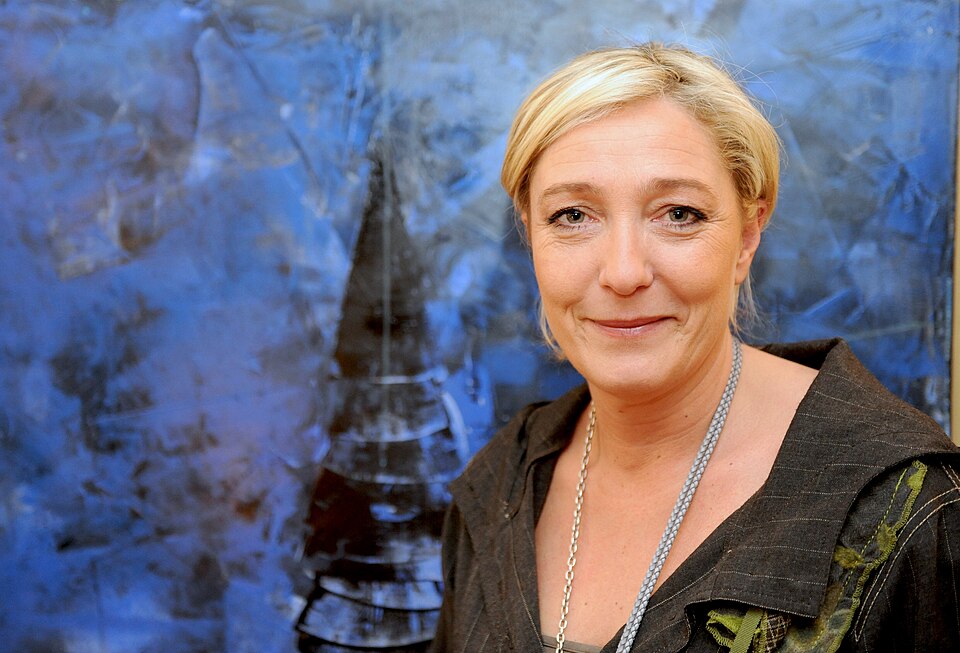
More than 8,500 people filled a hall in Orléans, many waving French flags and chanting “Marine, présidente!” That was the scene when Marine Le Pen opened her 2027 presidential campaign, and the tone of it says more about the National Rally’s strategy than any poll.
The shift is in the register. Le Pen, a four-time presidential candidate, spoke for over an hour and left the barnstorming at home. She told the crowd she wanted not a “revolution” but “a real change in power” that would bring a new “Renaissance.” No attacks on rivals. “We’re not saying: It was better before,” she said. “We say: It was good before and it will be better tomorrow.” Her pitch for the whole electorate was one line long: “My protective vision will benefit all.”
Reassure first, then push the old themes
The backdrop was ugly. France was dealing with cost-of-living protests, trouble passing a state budget, a spiraling debt and deficit, and recent riots and looting at rallies. Borrowing costs climbed above 5% the week before, the first time since 2002. Days earlier a gunman had shot at passers-by in Trappes, outside Paris. One person died, and a girl of 12 was among five wounded. Macron called it “a racist terrorist attack.”
Le Pen’s answer was to cast herself as the steady hand. A senior party official explained the logic to Politico: “People mostly agree with our ideas, but some still think it’s a gamble to vote for us.” So the speech sold calm. The familiar promises stayed in, though: restore public order, strengthen the borders, expel undocumented migrants. Party president Jordan Bardella took the harder line before she spoke, warning that France was “plunging into real violence.”
The opposition did not let it pass. Socialist leader Olivier Faure said the party carried “a heavy responsibility” for the Trappes attack because of the mood it had fostered. The National Rally rejected that and blamed the far left for encouraging the violence. Thousands of left-wing demonstrators had marched in central Paris the day before, as protests drew hundreds of thousands across the country.
What the numbers say
The polls explain why the party is playing it safe. Politico’s Poll of Polls in mid-October put Le Pen at 34%, ahead of centre-right candidate Edouard Philippe at 16% and the far-left Jean-Luc Mélenchon at 15%. A Toluna Harris Interactive survey for RTL had her at 35% to 37% for the first round on April 18, depending on who is in the field. A Cluster17 poll later had her at 33%, up two points, with Mélenchon between 18.5% and 19.5% moving past Philippe, who fell to 16%. Social-democrat Raphaël Glucksmann rose to 13%. Most surveys have her winning a run-off if nobody takes a majority first time round. If needed, that second round falls on May 2.
Personal ratings help. In the Harris poll, 51% of respondents called Le Pen presidential material, a gain of 6 points, and 54% said she can keep her promises, against 50% for Bardella. The survey landed amid allegations, denied by Bardella, over antisemitic texts Mediapart attributed to him from 2013. Le Pen’s numbers did not move against her.
The legal cloud and the fallback
She is not on the ballot by default. Le Pen was convicted of using European Parliament funds to pay party staff, given a four-year sentence, two years of it suspended, plus a €100,000 fine and a five-year bar on standing. At the appeal hearing she told the judges: “we did not feel we had committed any offence.” DW noted that even a shortened sentence could leave her room to run, and that Bardella was her named stand-in. The party’s own hunt for respectability dates to 2011, when she took over the party from her father.
Watch this space: with Macron barred by term limits, the first round on April 18 is the date the strategy gets tested.
Sources
- France’s far-right Le Pen leads 2027 presidential poll despite Bardella controversy
- https://www.dw.com/en/france-le-pen-in-court-to-appeal-2027-election-ban/a-75483470
- Le Pen casts herself as protector of France as troubles swirl – POLITICO
- Cluster17: Le Pen at 33%, Mélenchon at 18.5% to 19.5% overtakes Philippe, who falls to 16%. Other polls differ




