
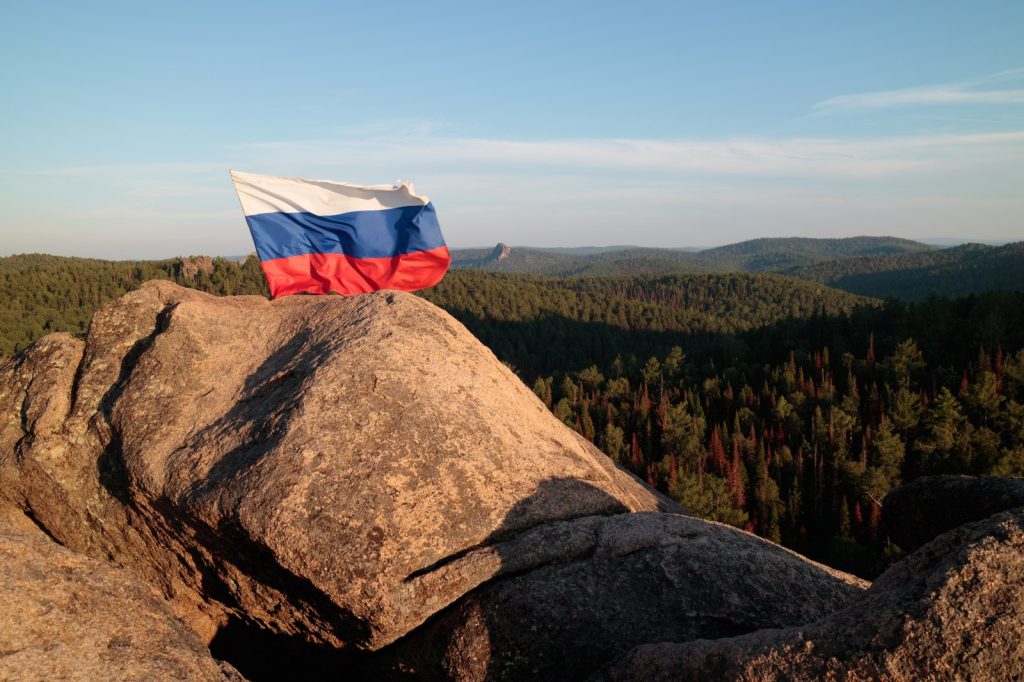
Through most of February 2014, Russia quietly added troops to its base at Sevastopol. Then, as Kyiv burned, armed men in combat fatigues with no insignia sealed off the airports of Simferopol and Sevastopol and seized the Crimean parliament. Ukrainians nicknamed them “little green men.” Putin at first flatly denied they were Russian soldiers. In 2015 he admitted they were.
The timing was not an accident. The EuroMaidan Revolution had just driven President Viktor Yanukovych from power, and as his government’s forces were shooting protesters on the streets of the capital, some 30,000 Russian troops moved into the peninsula. By early March they held all of it. The Kyiv Independent dates the beginning of Moscow’s continuing war on Ukraine to that moment.
A vote under guns
Armed Russian soldiers stood at polling stations, and no credible international observers were present, when Crimea voted on March 16. Local authorities reported 83 percent turnout and 96.7 percent for joining Russia. Steven Pifer of the Brookings Institution found those figures implausible: ethnic Ukrainians and Crimean Tatars made up almost 40 percent of the population. A report leaked two months later from the Human Rights Council advising Putin gave turnout as 30 percent. Ballots offered a choice between joining Russia and returning to the 1992 constitution; there was no box for the status quo.
The Treaty of Accession followed on March 18, signed by Crimean and Russian officials, and Putin ratified it three days after that. The General Assembly of the United Nations answered with a resolution, backed by 100 member states, declaring the annexation illegal. Washington and Brussels froze assets, banned travel and added other sanctions against Russian officials. Few states beyond Moscow’s own allies have openly backed it.
What the Kremlin said, and what it broke
Moscow cited history, since Catherine the Great’s Russia colonised Crimea and founded Sevastopol as home port for its Black Sea Fleet, and it cited concern for ethnic Russians, who made up about 60 percent of the peninsula in 2014. Pifer saw no evidence that they were under threat. In his reading, the seizure broke the UN Charter and three further accords: the Helsinki Final Act of 1975, the Budapest Memorandum of 1994 and a friendship treaty signed in 1997 between Ukraine and Russia. He also pointed to a domestic motive: Putin, back in the presidency since 2012 with a weaker economy to show for it, won popularity from a quick and largely bloodless operation.
For Europe the damage reached beyond Ukraine’s borders. A premise of the Helsinki Final Act was that borders should not be changed by force, and Pifer argues that Moscow’s move in 2014 tore that principle up. Other neighbours of Russia grew uneasy. Nothing on the continent since World War II had matched it as a land grab, until the full-scale invasion of 2022 overtook it.
Life on the peninsula
Pifer counted some 140,000 ethnic Ukrainians and Crimean Tatars who had left by 2020, against some 250,000 people who moved in from Russia. Moscow sent over $10 billion in direct subsidies and built road and rail bridges across the Kerch Strait. Tourism, once about a quarter of Crimea’s economy, declined.
In April 2025 reports surfaced that the Trump administration was weighing de jure recognition of Russian control over Crimea.
Sources
- Russia's annexation of Crimea (The Kyiv Independent)
- Crimea: Six years after illegal annexation (Steven Pifer, Brookings Institution)




