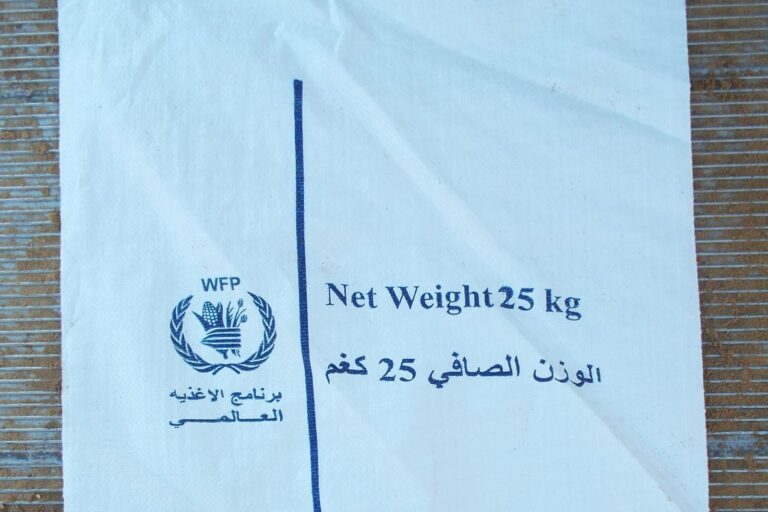
NEW YORK, November 28, 2026 — The World Food Programme is rerouting ships, renegotiating corridors, and stretching a shrinking budget to keep food moving through three war zones at once. Executive Director Luke Lindberg told the UN Security Council on Monday that a “triple chokepoint” crisis in the Black Sea, the Strait of Hormuz, and the Bab al-Mandeb could add $727 million in costs by mid-2027, threatening aid for 7.3 million people.
Three Routes, One Crisis
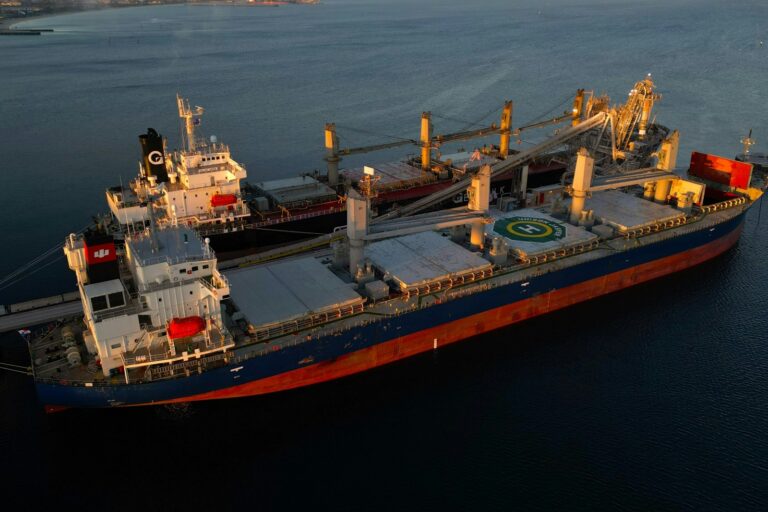
Lindberg briefed the Council on November 24, laying out a geography of risk that spans two continents. The Strait of Hormuz carries roughly 30 percent of global fertilizer supplies. The Bab al-Mandeb, off the coast of Yemen, is a flashpoint for Houthi attacks on commercial shipping. The Black Sea, a primary grain source for Somalia and Yemen — which imports 90 percent of its food — has become what Lindberg called the “deadliest maritime route in 2026.” More than 300 attacks on Black Sea shipping have been recorded this year, with at least 40 deaths.
By mid-October, 63 percent fewer wheat and maize vessels were moving through the Bosphorus than a year earlier. Roughly 10 million tonnes of Russian and Ukrainian wheat sit in silos, enough to feed an estimated 44 million people. “This is not a problem of production,” Lindberg said. “It is a political problem. Grain is available, but it is not reaching the people who need it.”
The Black Sea Corridor Model
The WFP is pushing for a revival of the Black Sea Grain Initiative, the UN-brokered deal that ran from July 2022 until Russia withdrew in 2023. That agreement allowed the safe export of nearly 33 million metric tons of Ukrainian grain. Lindberg told Reuters any new arrangement must cover both Russian and Ukrainian exports to win agreement. “It’s untenable to have full grain silos in Ukraine and Poland and the region, and then you have empty stomachs in other parts of the world,” he said. “If a diplomatic solution can be reached, we stand ready to move grain from both Russia and Ukraine.”

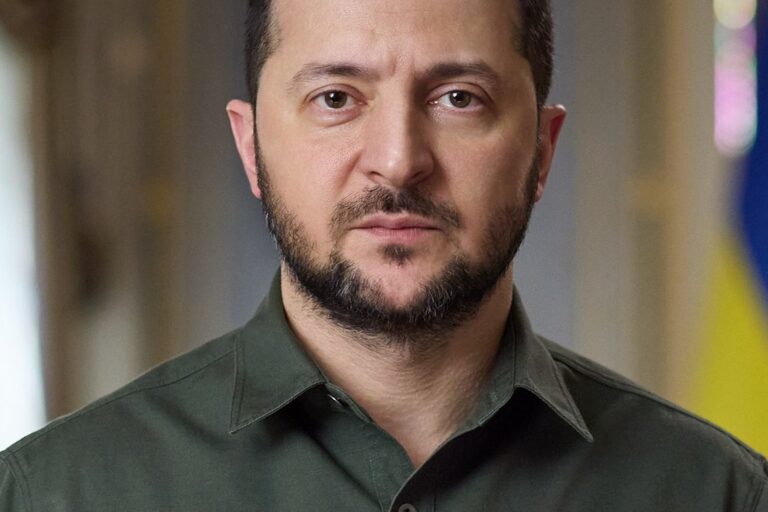
Lindberg, a former US agriculture official nominated by President Donald Trump and appointed by the UN in September, urged member states to commit to three “red lines”: no more famines, no more weaponisation of food, and no more attacks on humanitarians.
Costs Rise, Funding Falls
The chokepoints do not operate in a vacuum. El Niño has added Southern Africa and the Central American Dry Corridor to the hunger hotspots list, bringing the total to 16. The FAO Food Price Index hit a near four-year high in September, with wheat prices up nearly 10 percent since January. Higher energy and transport costs have increased grocery prices, especially in import-dependent countries. Fertilizer constraints linked to the Strait of Hormuz mean yields will likely be lower next season.
Meanwhile, humanitarian assistance in the five highest-risk countries — Sudan, South Sudan, Somalia, parts of Nigeria, and Yemen — has declined by nearly two-thirds over the 2022-2025 period, from $5.1 billion to $2 billion. “What we’re seeing is that the same countries keep appearing among those of highest concern,” said Jean Martin Bauer, WFP Director of Food Security Analysis, at a Geneva briefing on Friday. “At the same time, we’re witnessing a scissors effect: needs remain extremely high in these countries, while funding continues to decline.”
Adapting on the Ground
On the ground, adaptation means buying grain closer to where it is needed, using smaller vessels that can navigate alternative ports, and pre-positioning stocks before lean seasons hit. In Sudan, the cost of a basic diet has risen 130 percent since February. In Somalia, although no population is currently projected to face Catastrophe (IPC Phase 5), the risk of famine remains. In the Central American Dry Corridor, the 2026 Primera season was the driest in four decades, with crop losses topping 75 percent in many areas. The joint FAO-WFP El Niño anticipatory action plan aims to protect 9 million people in 22 countries.
Lindberg told the Council the WFP has already lowered its target for food assistance. The agency stands ready to facilitate humanitarian grain shipments if Security Council members back a coordination mechanism. “This is taking money straight out of WFP’s operations, directly translating into less food for fewer families,” he said.
Sources
- El Niño Adds New Hunger Hotspots as Conflict Continues to Drive Risk of Famine, Warn FAO and WFP | World Food Programme
- World Food Programme Warns Wars in Ukraine and Mideast Are Jeopardizing Food Aid for Millions
- Wars choke global food routes, threatening aid for 7.3 million, WFP warns
- UN food agency chief warns wars jeopardize food aid for 7.3 million more people | The Jerusalem Post
- Escalating strikes on Black Sea shipping drive global food insecurity, UN officials warn
- Nov 28, 2026 | Conflicts, El Nino worsening hunger, food agencies warn
Photo: Eliran t (CC BY-SA 4.0)