The Trump administration proposed sweeping new tariffs on 14 major trading partners on November 25, threatening to reignite global trade tensions. The move splits key allies between those seeking talks and those readying countermeasures.
The Proposal and Its Legal Footing
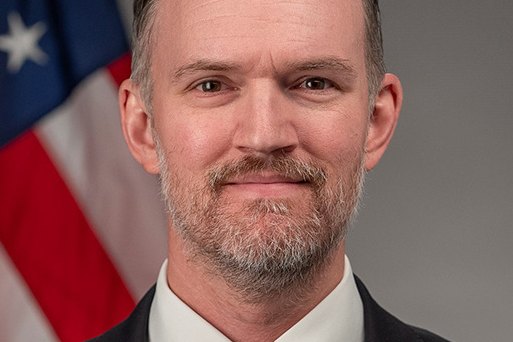
The levies follow an investigation led by U.S. Trade Representative Jamieson Greer into what his office describes as unfair trade practices and excess manufacturing capacity that burden or restrict U.S. commerce. The administration plans to impose the duties under Section 301 of the Trade Act of 1974, a statute that permits the executive branch to act against foreign practices it deems unreasonable and discriminatory. The legal shift comes after the Supreme Court struck down the administration’s previous country-by-country tariffs, which had relied on emergency powers under the International Emergency Economic Powers Act, in February 2026.
China Faces the Steepest Rates
China is set to be hit with the highest rate, facing tariffs of up to 20% on most covered goods. That figure could potentially rise to 40% if Beijing fails to honor the trade truce agreed upon between the two capitals last year, according to a senior U.S. official who briefed reporters on condition of anonymity. Chinese Foreign Ministry spokesman Guo Jiakun dismissed the prospect of new duties as “political maneuvering” and said the two nations should work together to maintain their existing truce.
EU Invokes August Agreement as Legal Shield
The European Commission rejects the premise that Europe contributes to structural overcapacity. A spokesperson told TIME the bloc is among those most exposed to global overcapacity, much of it state-driven and concentrated in third countries. Brussels cites the joint trade agreement signed in August 2025, which imposes a 15% all-inclusive tariff ceiling on EU goods, and expects any new measure to respect that cap in full, including when combined with existing duties. The Commission says it will study the USTR findings but regrets the lack of joint action on the shared concern of global overcapacity.
Singapore and Japan Choose Negotiation First
Singapore disputes the U.S. findings that its policies contribute to a manufacturing glut. The Ministry of Energy, Trade and Industry said Thursday that Singapore’s economic policies do not protect its domestic market or subsidize manufacturing for export, noting its free trade agreements seek to lower barriers. The city-state faces proposed tariffs of up to 20%, though that rate could drop to 10% if it reaches a reciprocal trade agreement with Washington. Japan signaled a similar preference for talks over retaliation. Chief Cabinet Secretary Minoru Kihara called the planned 15% levy on Japanese products “regrettable,” insisting Japan has no non-market policies, practices, or structural excess production capacity.
Retaliation Remains on the Table
Both China and the European Union have made clear they could hit back if Washington pushes beyond the terms of existing trade deals. The proposed rates for many economies are broadly in line with levels previously negotiated before the court’s decision. Implementation is not expected until after a written-comment period and public hearings, with duties possibly taking effect in late January.
Sources
- US partners respond to Trump’s fresh tariff proposal with anger, protest and diplomacy
- What to Expect in U.S. Tariff Policy Following the 2026 Midterm Elections | Davis Wright Tremaine
- Trump Administration Unveils New Tariffs for China, the European Union, and More
- ‘Businesses hate chaos’: $166 billion in tariff refunds are flowing to companies, not the customers who paid
- US trading partners respond to tariffs with anger, protest and diplomacy
Photo: Office of the United States Trade Representative (Public domain)