
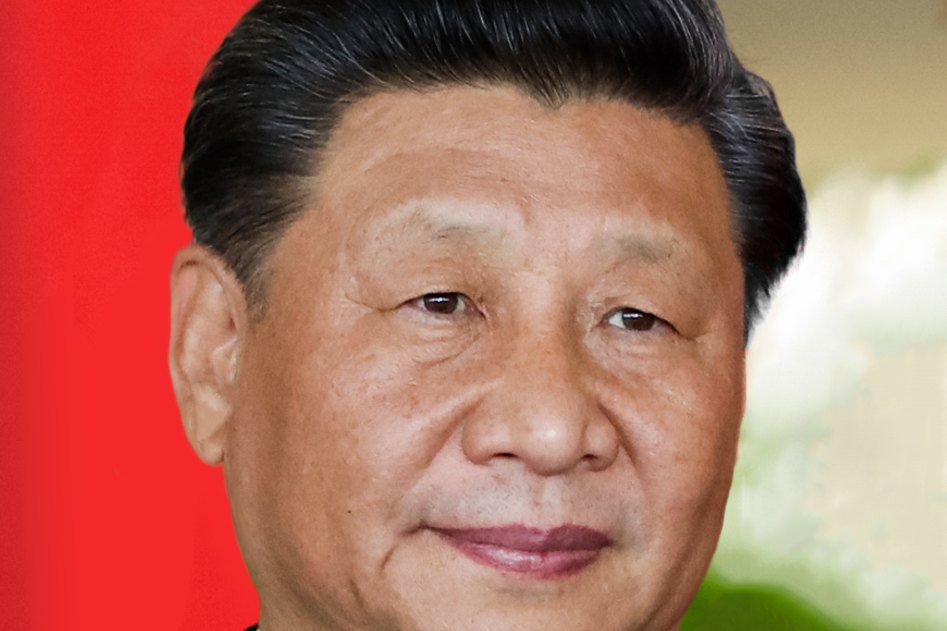
Beijing, August 31 — Chinese President Xi Jinping undertook multiple state visits to Europe and Africa in March 2024, including trips to France, Germany, and Rwanda, as part of a diplomatic offensive ahead of his scheduled summit with US President Donald Trump in November 2024. These visits, occurring between March 15 and March 28, 2024, aimed to reinforce China’s global partnerships and position Beijing as a stabilizing force amid US-China tensions.
Xi’s itinerary included the Franco-Chinese Strategic Partnership Dialogue in Paris (March 15-18), meetings with German Chancellor Olaf Scholz in Berlin (March 20-22), and a state visit to Rwanda (March 24-26), where he signed cooperation agreements on infrastructure and climate finance. The trips occurred amid heightened geopolitical friction, with China seeking to counter US-led initiatives like the Indo-Pacific Economic Framework while promoting its Belt and Road Initiative.
The US summit, expected in November 2024, will address trade disputes, Taiwan Strait stability, and climate cooperation, with Xi’s prior engagements intended to shape negotiations. The visits underscore China’s emphasis on multilateral engagement, with agreements in France covering nuclear energy collaboration and in Rwanda focusing on $500 million in infrastructure loans. These efforts reflect China’s strategy to build diplomatic capital before engaging directly with the US administration.
Xi arrived in Paris on March 15, where he met with French President Emmanuel Macron and Prime Minister Gabriel Attal to advance nuclear energy collaboration under the Franco-Chinese Strategic Partnership Dialogue. The talks focused on joint research into next-generation reactor designs and fuel cycle technologies, with French firms committing to technical support for China’s domestic nuclear expansion.
This marked the first high-level bilateral discussion on nuclear energy between the two nations since 2022, when France had paused new partnerships amid safety concerns. In Berlin, Xi held bilateral meetings with Chancellor Olaf Scholz on March 20-22, discussing trade imbalances and supply chain resilience. Scholz emphasized Germany’s desire for “balanced economic ties” while acknowledging China’s role in stabilizing global markets during a period of Western economic uncertainty.
The German government later confirmed that Xi had requested German support for its Belt and Road Initiative projects in Africa, a request that Scholz did not decline but urged be pursued through transparent financing mechanisms. Rwanda’s capital, Kigali, hosted Xi’s final leg from March 24-26, where he signed agreements for $500 million in infrastructure loans to fund rural road networks and renewable energy grids. The Rwandan government stated the funding would prioritize projects in the Eastern Province, a region previously affected by land disputes and agricultural volatility.
Chinese state media reported that the loans would be administered through the Export-Import Bank of China, with repayment terms tied to project completion milestones. This investment represented the largest single infrastructure commitment Rwanda had received from any foreign partner in the past decade, though critics noted the lack of independent oversight in loan disbursement processes.
The visit also included a symbolic gesture of planting a tree sapling at the presidential palace, a tradition Xi has used to mark diplomatic milestones since 2013. These engagements formed part of China’s broader strategy to cultivate diplomatic capital ahead of its November summit with the US administration. The timing coincided with Washington’s review of the Indo-Pacific Economic Framework, a trade initiative that China has actively opposed as exclusionary.
By securing agreements in France and Rwanda, Beijing sought to position itself as a partner for developing economies while countering Western narratives about its global intentions. The $500 million Rwanda package, in particular, was framed by Chinese officials as “a model for South-South cooperation” but drew scrutiny from development economists who questioned its alignment with UN sustainability benchmarks.
Meanwhile, the nuclear energy talks with France signaled a deepening technological alliance that could reshape energy markets in both regions, with French firms anticipating long-term contracts for reactor components and fuel supply chains. The upcoming November summit between Xi and President Trump will likely test the durability of these diplomatic overtures. US officials have indicated that trade imbalances and Taiwan Strait tensions will dominate discussions, though climate cooperation remains a potential area of convergence.
China’s prior engagements suggest it will leverage its European and African partnerships to propose concrete frameworks for dialogue, particularly on climate finance mechanisms. However, the US administration has maintained firm positions on tariffs and technology transfers, limiting the scope for immediate breakthroughs. The $500 million Rwanda loans and nuclear energy agreements may serve as reference points in these negotiations, but their impact will depend on whether they translate into verifiable commitments rather than symbolic gestures.
As the summit approaches, the international community will watch closely for signs of whether China’s diplomatic outreach translates into sustained policy shifts or remains confined to high-profile announcements.
Sources
More Asia Travel & Food coverage: U.S. Strikes Iranian Rocket Launchers Amid Gulf Tensions Trigger Oil Price Surge




