
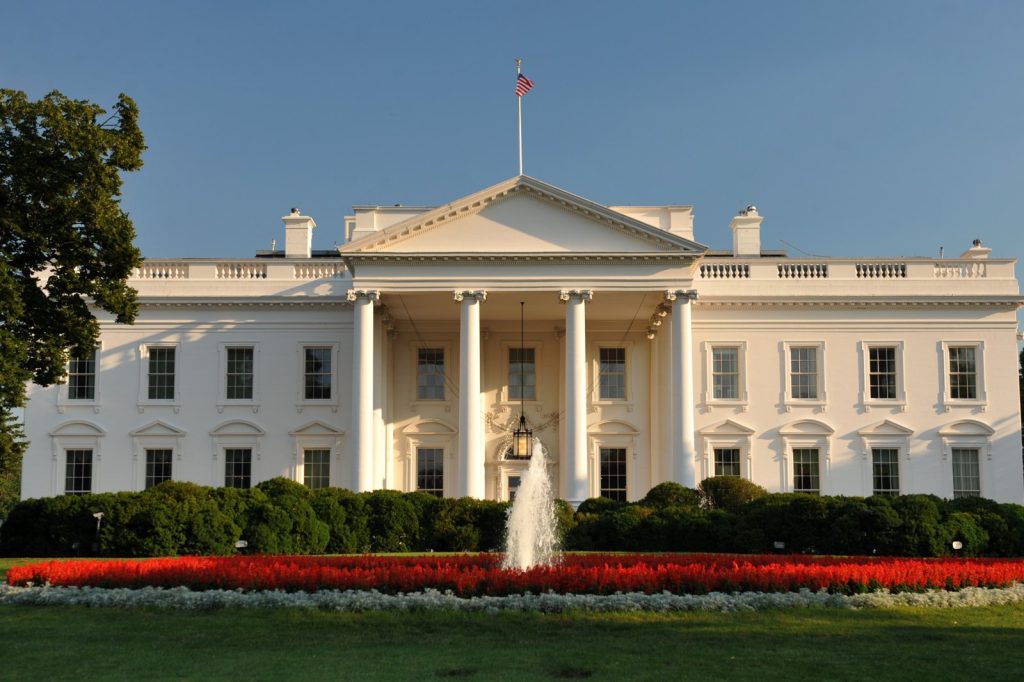
The deal signed in Washington this week does not put cash in Iran’s hands. It puts a process in place. The distinction is everything.
Under the agreement, confirmed by the White House and the State Department, Iran gets nothing upfront. That is the core of it.
The United States will lift sanctions in stages, but only after Iran has verifiably performed and met the agreement’s terms. The phrase used repeatedly is “step-by-step reciprocity.” A short sentence sums up the arrangement: Iran gets nothing upfront. What Iran stands to gain is access to its own previously frozen assets.
These are funds that already belong to Iran. The United States is paying Iran nothing.
There are no reparations. No cash payment is involved. What is at stake is the reintegration of a nation that has been isolated for decades.
As Iran complies, other countries will be permitted to invest in and help rebuild the country. That is the prize on the table — not a payment from Washington, but permission for the rest of the world to do business with Tehran again. The economic stakes for Iran are enormous.
For the United States, the stakes are credibility and leverage. The administration has emphasized that this is a performance-based, conditional process, designed to protect US interests and reward Iran only for concrete, verified steps.
The structure is deliberate. The United States is committed to verifying Iran’s compliance before taking any further steps. This is not trust-based diplomacy.
It is verification-based. Each stage of sanctions relief is triggered by a proven action from Iran.
The approach is designed to ensure that US interests are protected, while also providing an opportunity for Iran to reintegrate into the international community. Behind the breakthrough is a careful and conditional approach. The agreement was confirmed by both the White House and the State Department.
That dual confirmation signals a unified US position. The administration is speaking with one voice on this. The key thing to watch now will be Iran’s compliance.
That is where the stakes become real. If Iran performs, the sanctions come off in stages.
If Iran stalls, the process stalls with it. There is no automatic timeline. There is no pre-set schedule.
There is only a step-by-step structure that links each US action to a verified Iranian action. Other countries are watching closely.
Their response to the new agreement will shape whether Iran’s reintegration happens smoothly or in fits and starts. As the situation develops, it will be important to see how other countries respond. Some may move quickly to invest.
Others may wait for more proof that the process is real. The agreement changes the dynamic. It replaces a standoff with a ladder.
Each rung is a verified step by Iran. Each rung is a sanctions concession by the United States.
The ladder goes up — or it does not. That is the condition. For Iran, the stakes are access to its own money and a return to the global economy.
For the United States, the stakes are a model of conditional diplomacy that could either work or fail in plain sight. There is no room for ambiguity in this structure.
Either Iran complies and the sanctions lift, or it does not and they stay. That is the deal. Nothing more.
Nothing less.




