
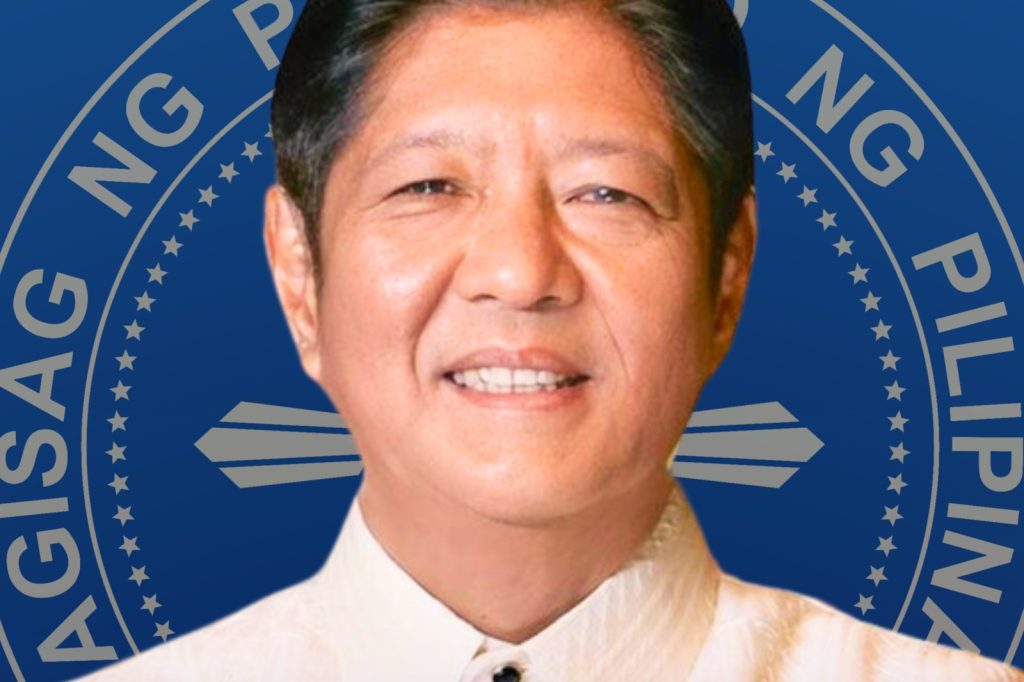
Philippine President Ferdinand Marcos Jr. made a swift 24-hour visit to Hanoi, departing Thursday morning with a signed agreement that alters operational dynamics in the South China Sea. The accord, finalized on August 30, 2024, was arranged in a matter of days, a pace that underscores the urgency behind the diplomatic move. The catalyst for this rapid action was an August 19 incident at Second Thomas Shoal, where Chinese coast guard vessels rammed and used water cannons against a Philippine military-chartered boat.
Three sailors sustained injuries in the confrontation, which marked the latest escalation in a pattern of assertive behavior by Beijing in the disputed waters. The memorandum of understanding establishes a framework for “combined maritime activities” within 24 nautical miles of each country’s coastline.
This zone directly overlaps with China’s expansive “nine-dash line,” the boundary Beijing uses to claim sovereignty over nearly the entire sea. Western military attachés observing the region noted that Vietnam had never before signed such a maritime cooperation agreement with a fellow claimant nation. Philippine Coast Guard spokesperson Commodore Jay Tarriela explained that the accord streamlines bureaucratic procedures.
He stated that the text “removes the red tape that used to require foreign-ministry clearance every time we wanted to train with Vietnamese counterparts.” This change places joint patrols, intelligence sharing, and combined exercises on a standing basis, eliminating the need for case-by-case diplomatic approval. While neither government used terminology such as “mutual defence” or “alliance” in the official document, officials speaking privately described the agreement as creating a mechanism for rapid response if either side faces attack.
The core function of the deal is speed: Hanoi no longer needs to convene committees to decide on a response when a Chinese water cannon strikes a Philippine vessel. Vietnam’s deputy foreign minister, Đỗ Hùng Việt, characterized the agreement as a matter of principle. He said it “reflects our shared view that unilateral actions must be answered with coordinated presence.” The term “unilateral” directly references Beijing’s conduct, while “coordinated” represents the joint response.
The accord is a coast guard pact rather than a military alliance, but the distinction carries less weight in the South China Sea, where coast guard vessels serve as the primary frontline force. These ships conduct ramming operations, water cannon attacks, and supply line disruptions, while conventional naval forces remain in the background.
By combining their coast guard resources, Vietnam and the Philippines strengthen their frontline presence without escalating to a naval confrontation neither party desires. The timing of the agreement is significant. The August 19 attack preceded the deal by just eleven days, suggesting the two governments had been developing the framework beforehand but required a public provocation to finalize it. Beijing provided that catalyst.
The accord covers waters claimed by China, and Beijing is expected to protest and potentially respond with increased patrols or separate pressure on Hanoi and Manila. However, the deal is structured to complicate such responses.
If Chinese vessels harass a Vietnamese supply ship, Philippine coast guard boats now have a standing mandate to intervene, and vice versa. Other Southeast Asian claimants—including Malaysia, Brunei, and Indonesia—have not signed similar agreements, preferring bilateral negotiations with China or inaction. The Vietnam-Philippines deal presents an alternative model of two smaller nations pooling resources and coordinating presence, forcing China to confront a united front rather than isolated targets.
The success of this model will be determined by events at sea, particularly the next time a Chinese water cannon is deployed.




