
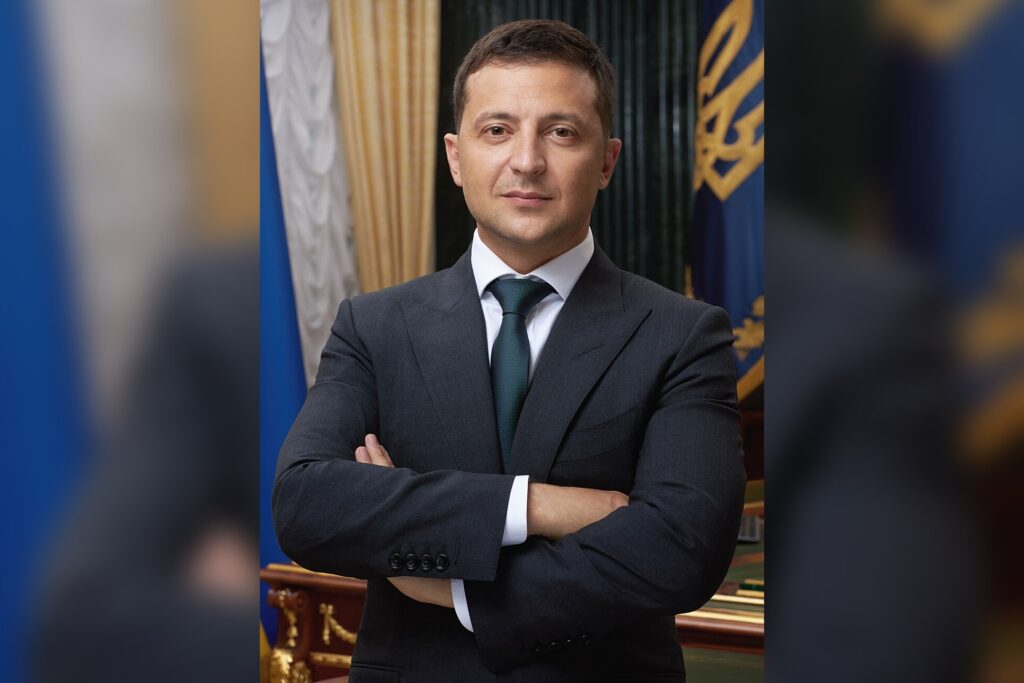
KYIV, July 6 — The shift is subtle but unmistakable: a reported diplomatic snub of Ukrainian President Volodymyr Zelensky by a key NATO ally, and the trend underneath is a growing Western wariness that could reshape the conflict. The snub, details of which remain unconfirmed by official channels, represents a potential turning point in the dynamic between Ukraine and its primary backers. For Zelensky, who has built his wartime leadership on securing and wielding Western support, the incident could weaken his domestic standing and chip away at his international leverage.
Watch this space. The diplomatic cold shoulder comes at a critical moment.
Ukraine remains heavily dependent on Western military and financial aid, with NATO members supplying advanced weapons systems including HIMARS, Leopard 2 tanks, and F-16 training for Ukrainian pilots. Any crack in that pipeline changes the math on the battlefield. The timing matters.
Russian President Vladimir Putin has consistently cited NATO expansion as a justification for the full-scale invasion that began on February 24, 2022. A visible fracture in NATO’s unity could embolden him, signaling that the alliance’s resolve is not infinite.
What’s changing is the political weather at home for key donors. Public opinion in NATO countries, particularly the United States, remains divided on continued aid. Polls from early 2024 showed about 50% support for further assistance.
That split creates room for the kind of diplomatic friction now reportedly playing out. The war has already produced tens of thousands of casualties and millions of displaced persons. Those numbers are not abstractions — they represent the human cost of a conflict that shows no sign of resolution.
A diplomatic setback for Ukraine now could prolong that suffering. The trend underneath is a slow recalibration.
Western publics are asking harder questions about the duration and cost of support. Leaders are listening. The reported snub is a symptom, not the cause.
For Zelensky, the immediate challenge is damage control — proving he can still deliver results from his allies. For Putin, the opportunity is to exploit any sign of division.
The next few months will tell us whether this is a temporary stumble or the beginning of a broader shift in the West’s posture. Watch this space.




