
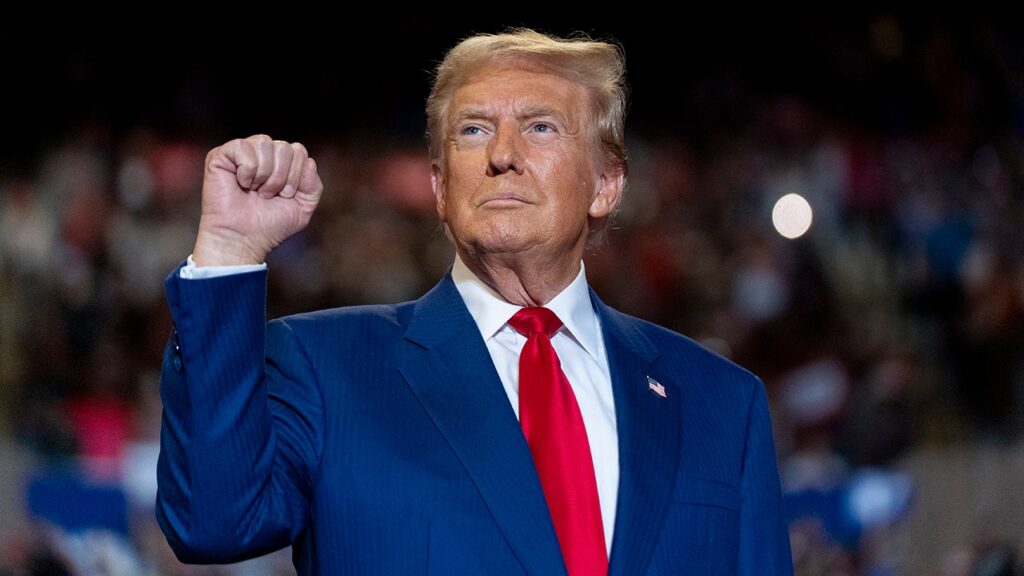
WASHINGTON, July 6 — Former President Donald Trump, the presumptive Republican nominee for the 2024 presidential election, continues to shape the transatlantic security debate with a record of skepticism toward NATO and sustained U.S. support for Ukraine. As the political calendar ticks toward January 2025, NATO officials are reportedly wary of antagonizing a man who could return to the Oval Office and directly influence the alliance’s future. During his presidency from 2017 to 2021, Trump reportedly considered withdrawing the United States from NATO entirely.
That never happened, but the threat was taken seriously enough by European capitals to accelerate defense spending discussions. Trump has a history of criticizing NATO allies for failing to meet the alliance’s defense spending targets, a complaint that predates his presidency and continues to resonate with his political base.
His broader foreign policy skepticism extends to Ukraine, where he has questioned the value of continued U.S. support. In 2023, Trump stated he would end the war in Ukraine within 24 hours if reelected, a claim that implies territorial concessions to Russia. The detail that matters here is the timing.
As of July 2026, Trump is not in office, but the possibility of his return in January 2025 looms over current defense planning. The Telegraph report suggests NATO officials are treading carefully, mindful that antagonizing Trump could have consequences for future U.S. contributions to both the alliance and Ukraine.
Trump has also praised Russian President Vladimir Putin, a pattern that has alarmed traditional allies accustomed to a more confrontational U.S. stance toward Moscow. While in office, he maintained a relationship with Putin that drew bipartisan criticism, and his post-presidency comments have done little to ease those concerns. For informed readers, the question is not whether Trump will change his views — his record is consistent — but how a potential second term would reshape the institutional architecture that has underpinned European security since the Cold War.
NATO’s internal planning already accounts for scenarios where the United States reduces its commitment, but the political reality is that no formal mechanism exists to compel a member state to maintain its contributions. As ever, the watchpoint is January 2025. If Trump returns, the alliance faces a period of uncertainty unlike any since its founding.
The detail that matters is not what Trump says on the campaign trail, but what the technical reality of a second term would mean for the defense structures that have relied on American leadership for seven decades.




