
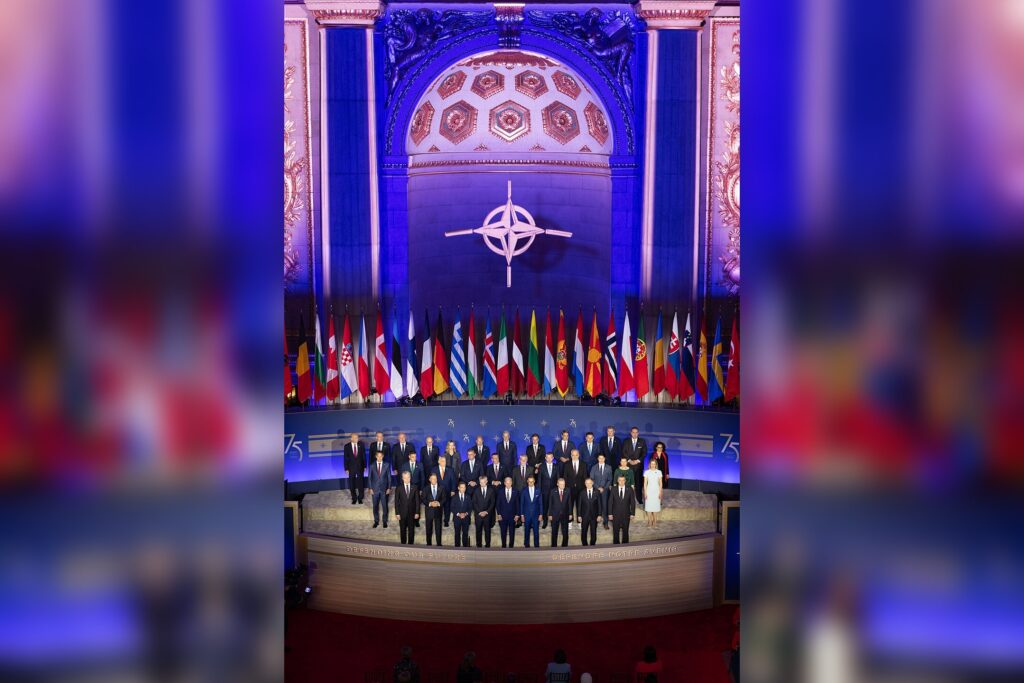
WASHINGTON, July 6 — The shift is happening under the radar, and it’s a big one for how the world’s most powerful military alliance talks to its own future. When NATO leaders gather in Washington this week for the 2024 summit, the 75th anniversary of the alliance, the official agenda is packed with the usual heavy hitters: defense spending, Ukraine, deterrence against Russia and China. But the trend underneath is about who gets a seat at the table — and who doesn’t.
The summit is scheduled for July 9-11 in Washington, D.C. Key agenda items include a new pledge for members to spend at least 2% of GDP on defense, support for Ukraine through a multi-year aid package and training mission, and deterrence against both Russia and China. The alliance is also marking its expansion, with Sweden having joined in March 2024.
The big news is Ukraine. Leaders are expected to announce a new NATO envoy to Ukraine and a ‘NATO-Ukraine Council’ meeting. But here’s the kicker: no formal invitation for Ukraine’s membership is expected.
And in a significant departure from previous summits, where Ukrainian leaders have addressed the alliance, there are reports that President Zelensky has been barred from speaking. If confirmed, that’s a major shift in tone.
Watch this space. The summit occurs amid the U.S. presidential election campaign, with Trump’s potential return influencing discussions. That political backdrop is already shaping what leaders are willing to commit to and how they frame the alliance’s future.
The trend underneath is a NATO that’s trying to project unity while navigating internal divisions and external pressures. What’s changing is the alliance’s posture on deterrence. The focus on China is notable — a clear signal that NATO’s strategic horizon is widening beyond the Euro-Atlantic area.
The new defense spending pledge, while not new in concept, is being framed as a harder commitment this time around. The summit will also address NATO’s expansion, with Sweden now a full member.
That’s a concrete shift in the alliance’s footprint in Northern Europe. The decision to bar Zelensky from speaking, if confirmed, would be a significant departure from previous summits where Ukrainian leaders addressed the alliance. It raises questions about how NATO balances support for Ukraine with the political realities of a potential change in U.S. leadership.
The trend underneath is clear: NATO is trying to lock in commitments now, before the political landscape shifts again. The summit’s outcomes will set the stage for the alliance’s next chapter — watch this space for how the dynamics play out.




