
On the morning of 4 March 2026, a passenger bus travelling through Tamacine in Touggourt Province, Algeria, collided with a semi-trailer truck. The crash claimed at least six lives and left fifteen people with injuries. Emergency crews responded. Police have opened an investigation.
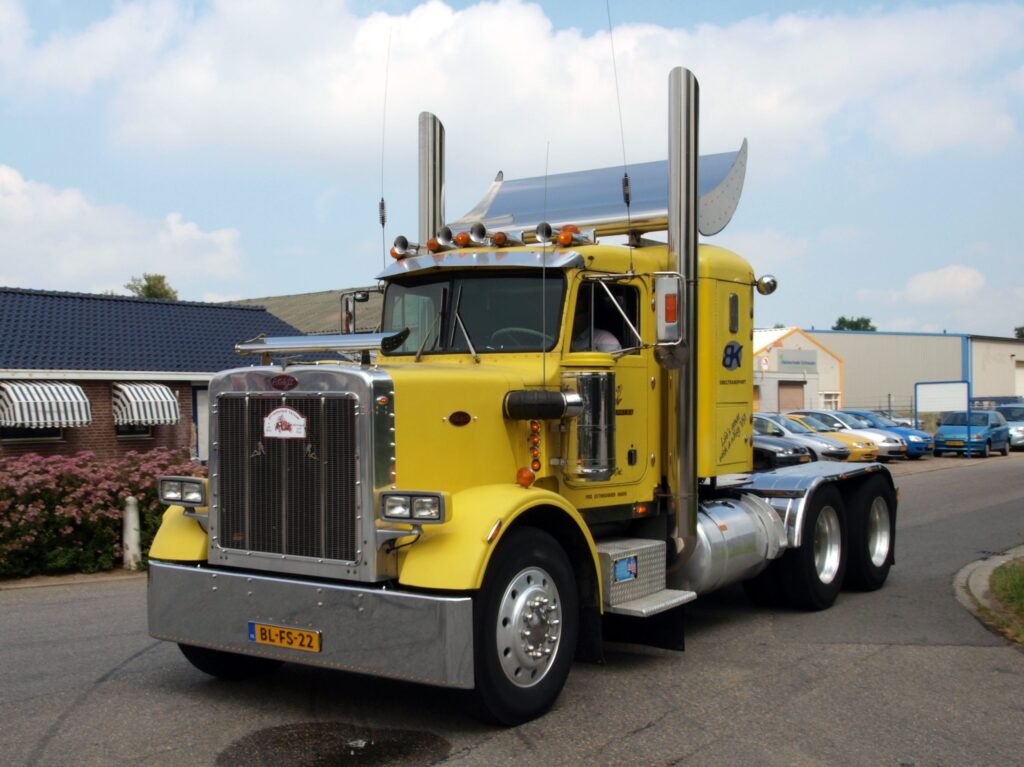
The vehicle involved on the freight side was a semi-trailer truck. These trucks pair a tractor unit with one or more detachable trailers. Since their introduction in the 1920s, they have largely replaced older traction-engine designs. They offer greater speed, efficiency and reliability for long-distance transport of goods ranging from foodstuffs to electronics.
The size and weight of semi-trailers make them hazardous when they intersect with smaller road users. In Tamacine, the force of the impact between the bus and the truck produced extensive destruction.
Local authorities have confirmed the casualty figures. They are conducting a thorough inquiry into the circumstances that led to the collision. Preliminary statements emphasize the need for continued vigilance on Algeria’s highways. Road safety depends on multiple factors: vehicle maintenance, infrastructure quality, driver licensing and training, and public awareness of safe driving practices.
The incident also brings attention to environmental considerations linked to road transport. Heavy-duty trucks rely on fossil fuels. Their extraction, processing and combustion contribute to pollution and greenhouse-gas emissions. The crash has renewed debate over energy security, cost-effectiveness and the push for renewable alternatives.
Community leaders in Tamacine and surrounding towns have called for coordinated action to improve safety standards. They also want to explore cleaner transportation technologies. They argue that reducing reliance on finite resources and investing in more efficient, low-emission vehicles could help prevent future tragedies.
As the investigation proceeds, officials stress that immediate steps are essential. These include stricter enforcement of traffic regulations, regular vehicle inspections and enhanced driver education. Public campaigns aimed at promoting responsible driving behavior are also being considered.
The Tamacine crash reflects challenges faced worldwide where heavy freight and passenger traffic share the same roadways. Balancing the economic necessity of freight movement with the safety of everyday commuters remains a central policy concern for governments and industry alike.
In the weeks ahead, families of the victims will seek answers. The broader Algerian public will watch closely as authorities piece together the factors that led to the collision.
Stakeholders are urged to collaborate on solutions that enhance safety, promote sustainable energy use, and protect both lives and the environment.




