
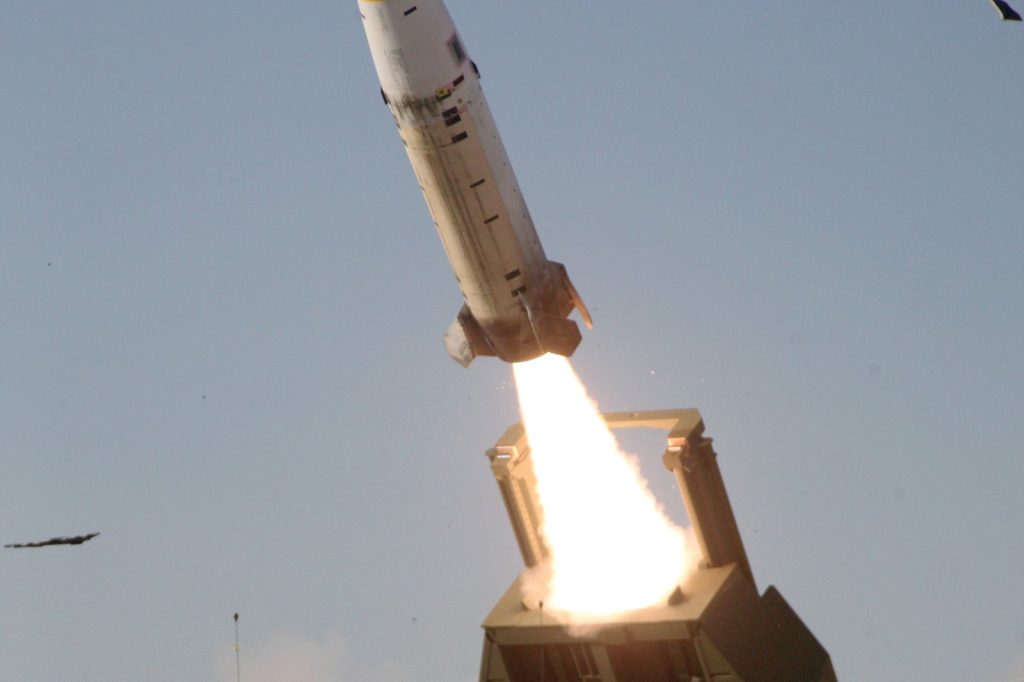
KYIV, July 13 — On paper, Ukraine’s ability to strike deep into Russian territory shifts the geometry of this war. The March 1, 2025 strikes on Stavropol Krai and Moscow Oblast represent a tactical leap, but the mechanics here are as much about deterrence as they are about provocation. The question is whether Kyiv can calibrate this new capability without triggering the broader NATO-Russia conflict Washington has spent years trying to avoid.
The immediate risk is a familiar one. Russia may retaliate with increased missile attacks on Ukrainian energy infrastructure, mirroring the winter 2022-2023 campaign that systematically degraded the power grid.
That playbook is well-worn, and Moscow has shown no reluctance to revisit it. Alternatively, Moscow could expand its own cross-border strikes deeper into western Ukraine, targeting supply lines and training facilities that have so far operated under a fragile, unspoken immunity. Diplomatic responses are already taking shape.
The United Nations and the European Union have condemned attacks on civilian infrastructure, a position that now applies symmetrically. The catch is that these institutions have limited leverage.
The United States has provided Ukraine with over $75 billion in aid since 2022, including drone technology and intelligence support, but has urged restraint to avoid direct NATO-Russia confrontation. That tension — between arming a partner and restraining it — is the defining contradiction of this phase of the war.
The bargaining calculus
The strikes may also impact peace negotiations, which have stalled since the Istanbul talks in March 2022. On closer reading, the strategic logic becomes clearer. Ukraine’s ability to strike deep into Russia could strengthen its bargaining position, giving Kyiv something tangible to trade at a future negotiating table.
But the same capability risks provoking a broader war if Moscow decides that its red lines have been crossed irreversibly. Analysts at the Institute for the Study of War suggest that such strikes are designed to force Russia to divert resources from the front lines, potentially creating opportunities for Ukrainian counteroffensives.
That is the theory. The practice is messier: every strike deep into Russian territory invites a response that could escalate faster than either side can control. Follow the money, and the pattern is consistent.
The $75 billion in U.S. aid has built a Ukrainian military that can now reach targets Moscow once assumed were safe. That investment has a return — battlefield leverage — but also a liability.
The more effective Ukraine becomes at striking inside Russia, the more pressure builds on Washington to manage the fallout.
What to watch next
The next moves will test whether escalation can remain controlled. If Russia responds by targeting Ukrainian energy infrastructure again, the humanitarian and economic toll will be severe, but the conflict will stay within its existing boundaries. If Moscow expands cross-border strikes into western Ukraine, the geography of the war changes fundamentally.
For now, the diplomatic track remains frozen. The Istanbul talks are a distant memory, and no new framework has emerged to replace them.
The strikes on Stavropol Krai and Moscow Oblast may have changed the military balance, but they have not yet changed the political one. That may be the real test — whether Ukraine can translate tactical depth into strategic leverage without losing the restraint of its most important backers.




