
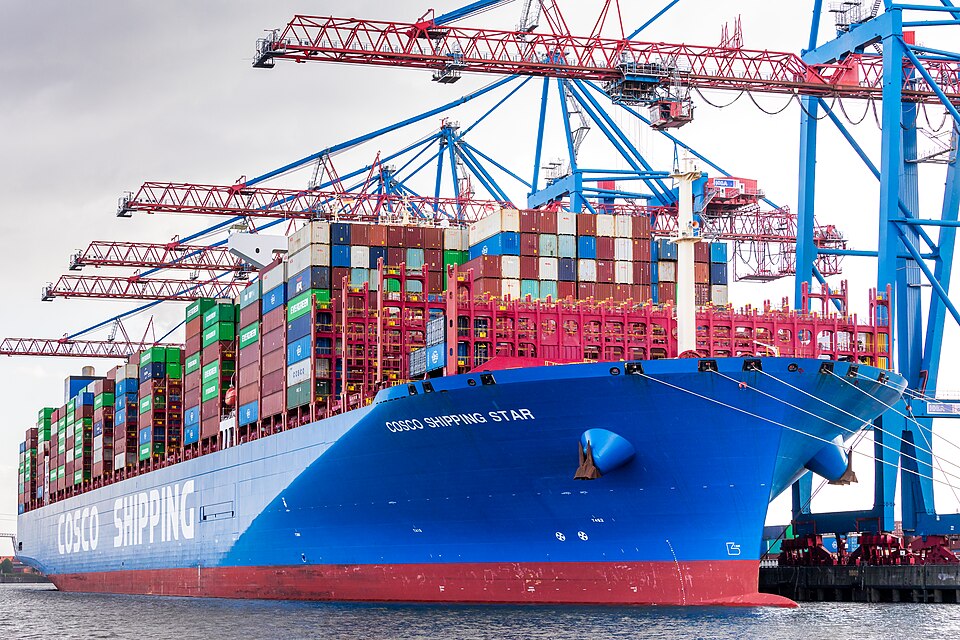
LIMA — On the Pacific coast about 80 kilometers (50 miles) north of Lima, the cranes and concrete of the Chancay Port are rising against a backdrop of diplomatic tension. The deep-water port, backed by roughly US$3.5 billion from China’s state-owned COSCO Shipping, is nearing its first phase of operations, slated for late 2024. But the real construction underway here is geopolitical: Peru’s decision to push forward with the project is testing the limits of Washington’s campaign to counter Chinese influence in Latin America.
Peruvian officials have framed the port as a matter of national sovereignty, not strategic alignment. President Dina Boluarte has publicly defended the project as a “sovereign decision” that will bring development to the region, brushing aside concerns raised by senior US officials who have visited Peru to warn about the facility’s potential dual-use capabilities — commercial infrastructure that could also serve military purposes.
For Lima, the calculus is simpler: a strategic gateway for trans-Pacific trade, and a major boost for an economy that has long relied on mining exports. ## A Balancing Act Between Washington and Beijing The port’s ownership structure reflects the depth of the Chinese commitment. COSCO Shipping holds a 60% stake in the venture, with Peru’s Volcan Compañía Minera owning the remainder. That arrangement has made Chancay a symbol of a broader regional trend — Latin American nations engaging Beijing for infrastructure financing without fully surrendering their ties to Washington.
Peru, a key US ally, has become the clearest example of a country trying to hold both relationships at once. Washington has not stood idle.
The US has proposed alternative investment frameworks, including the Americas Partnership for Economic Prosperity, as a counterweight to Chinese money.
But officials in Lima and across the region have noted the gap between American rhetoric and American capital — the proposed alternatives have not matched the scale of financing that Beijing has put on the table through its Belt and Road Initiative. ## The Limits of Leverage The Chancay case underscores a blunt reality for US policymakers: diplomatic pressure, even from a close partner, struggles to compete with concrete economic need.
Peru’s government has acknowledged the security concerns raised by Washington but has consistently returned to the same answer — the port is legal, it is beneficial, and it is Peru’s call to make. For Washington, the port represents a strategic worry: a Chinese-operated hub on South America’s Pacific coast that could one day serve as a logistics node for Beijing’s naval ambitions.
For Lima, it represents something more immediate — jobs, trade, and a foothold in the fast-growing Asia-Pacific market. As the first phase of construction nears completion, the question is no longer whether Peru will proceed, but what the fallout will be. Washington’s anti-China push has found influence in some corners of the region, but Chancay Port stands as evidence that its leverage has limits when matched against the weight of Chinese financing and the practical demands of economic development.
The port is set to open its gates by late 2024; the diplomatic ripple effects are likely to last far longer.




