
For decades, the ocean was enough. New Zealanders looked south and saw nothing but water. It was a moat.
That moat is no longer working. The people most affected are not in Wellington strategy rooms.
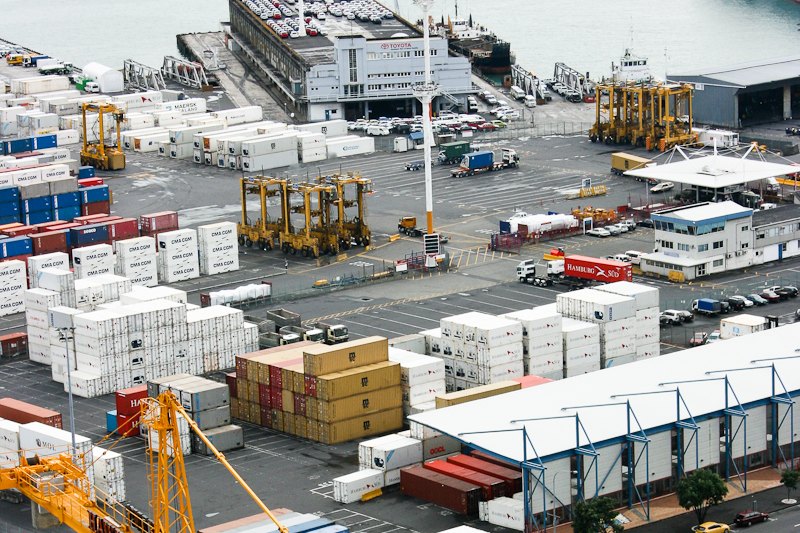
They are in Auckland, where the port handles the goods the country buys and sells. They are in small towns that depend on exports. New Zealand is a trading nation.
Its economy rests on secure shipping lanes. Those lanes now run through a contested region.
China’s military has changed the math. A Chinese naval task group held live-fire exercises in the Tasman Sea last year. That sea sits between Australia and New Zealand.
The exercises happened without warning. Regional norms require advance notice. Beijing ignored them.
For New Zealanders, the Tasman is not a faraway sea. It is the body of water you fly over to visit family in Sydney.
Then there is the missile. The Chinese DF-27 ballistic missile has a range of 5,000 to 8,000 kilometres, according to an analysis by the Lowy Institute. With further refinement, the institute says, it could reach the New Zealand mainland.
That is a direct line from a launch site in China to the streets of Wellington. The buffer of ocean is shrinking.
The incidents keep coming. In April, a New Zealand surveillance aircraft was monitoring North Korean sanctions evasion. China accused the aircraft of “close-in reconnaissance and harassment.” In December, Chinese fighter jets directed their fire-control radar at Japanese F-15 jets near Okinawa.
In March, Australia protested after a Chinese naval helicopter conducted what Canberra called an unsafe intercept of one of its military helicopters over the Yellow Sea. New Zealand is not a big military power. It never was.
Its defence posture was built on distance. That posture is now being tested.
The question is whether it can adapt fast enough. For the people who crew the surveillance aircraft, this is not theory. They operate in real airspace.
They face real intercepts. For the families of those crews, the risks are personal.
For the farmers and exporters who rely on secure sea routes, the risks are economic. The warning signs have been accumulating for years. The Lowy Institute analysis is one more.
The live-fire exercise in the Tasman Sea was another. Each incident erodes the old assumption that isolation equals safety. New Zealand is now looking at Japan.
The report states that New Zealand eyes Japan as distance-based defence fades. That shift matters.
Japan is a major partner. But it is not a moat. It is an alliance choice.
Geography once felt like a shield. That feeling is gone.
The people of New Zealand are left with the consequences. Their government must decide how to respond. The ocean is still there.
It just no longer protects them the way it used to.




