
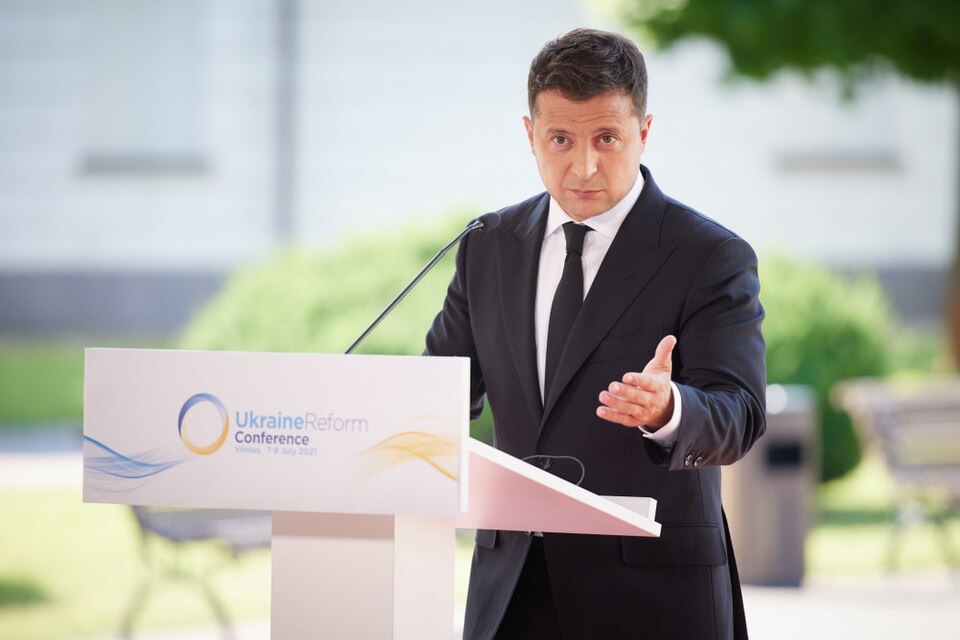
The reported decision to bar Ukrainian President Volodymyr Zelensky from speaking at the upcoming NATO summit has underscored a deepening uncertainty in Western support for Kyiv, a development that could compound the severe economic and human costs of the war. Since Russia launched its full-scale invasion on February 24, 2022, Ukraine has relied on a steady flow of military and financial assistance from allies to sustain its defense.
That reliance is now being tested as political calculations in Western capitals shift.
Economic Devastation and Worsening Humanitarian Crisis
The toll on Ukraine’s economy and population has been staggering. The World Bank reports that the country’s economy contracted by 29.1% in 2022, a collapse that has left Ukraine facing a budget deficit requiring massive foreign assistance simply to maintain basic government services.
Critical infrastructure, including energy grids and housing, has suffered significant damage from the conflict. The human cost is equally stark: according to UNHCR data from 2024, over 8 million Ukrainians have been displaced. The United Nations also reports more than 10,000 civilian deaths and 20,000 injuries as of early 2024, though the actual figures are likely higher.
Tens of thousands of civilians have been killed or wounded in total, and the numbers continue to climb with no end in sight. NATO allies have provided over $100 billion in aid since the invasion began, but the sustainability of that assistance is now in question.
The reported snub of Zelensky — a leader who has become the international face of Ukraine’s resistance — could slow future commitments from alliance members. Delays in U.S. aid, including a stalled $60 billion package, have already forced Ukraine to ration ammunition and limit military operations. The trend underneath is clear: even as the war grinds on, the political will to sustain support appears to be fraying.
NATO’s Historic Role and Ukraine’s Tense Place in the Alliance
NATO was formed in 1949 after World War II to provide collective security among North American and European nations, with member states committing to defend one another if attacked. During the Cold War, its primary mission was to counter the Soviet Union and the Warsaw Pact. After the Soviet collapse, the alliance took on new roles, including military interventions in the Balkans and later in Afghanistan, where its mutual defense clause was invoked for the first and only time.
Relations with Russia grew increasingly hostile under Vladimir Putin, who opposed NATO’s eastward expansion and specifically resisted Ukraine’s aspirations for membership. The Russian annexation of Crimea in 2014 led the alliance to halt cooperation with Moscow and position forces on its eastern edge.
Following the full-scale invasion of Ukraine in 2022, NATO reinforced that flank further and began providing large-scale aid to Kyiv. The reported move to exclude Ukraine’s president from the summit touches a long-running dispute over the country’s place in the alliance. For readers, it signals strain inside a partnership that has supplied much of the support sustaining Ukraine’s defense since the war began.
What a Closed Door Could Mean for Ukraine’s Fight
A closed door at NATO headquarters may not end the war, but it could reshape how Ukraine fights it — and how many more Ukrainians pay the price. Political uncertainties are mounting across the alliance, and the reported snub of Zelensky signals potential fracture.
The shift is subtle but unmistakable. Even as the war grinds on, the political will to sustain support appears to be fraying. Delays in U.S. aid have already forced Ukraine to ration ammunition and limit military operations, and further slowdowns could have steep consequences on the battlefield and on the home front. The economic and human costs of any reduction in support would compound Ukraine’s existing burdens.
With tens of thousands dead or wounded, over 8 million displaced, and critical infrastructure in ruins, Ukraine’s ability to defend itself depends heavily on continued foreign assistance. What’s changing is the calculus in Western capitals.
A reported snub of a leader who has become the public face of Ukraine’s resistance could slow future commitments from alliance members, altering the trajectory of the war and deepening the suffering of millions.
{“@context”: “https://schema.org”, “@type”: “NewsArticle”, “headline”: “NATO Summit Snub Raises Doubts on Western Support for Ukraine”, “description”: “KYIV, July 6 — The reported decision to bar Ukrainian President Volodymyr Zelensky from speaking at the upcoming NATO summit has underscored a deepening uncertainty…”, “datePublished”: “2026-07-06T09:30:00+00:00”, “author”: {“@type”: “Person”, “name”: “Ethan Smith”}, “publisher”: {“@type”: “Organization”, “name”: “InfoPulse Today”, “url”: “https://newsfeed.infopulsetoday.com/”}}




