
Port Vila’s New Mayor: A Signal of Shifting Currents in the Pacific
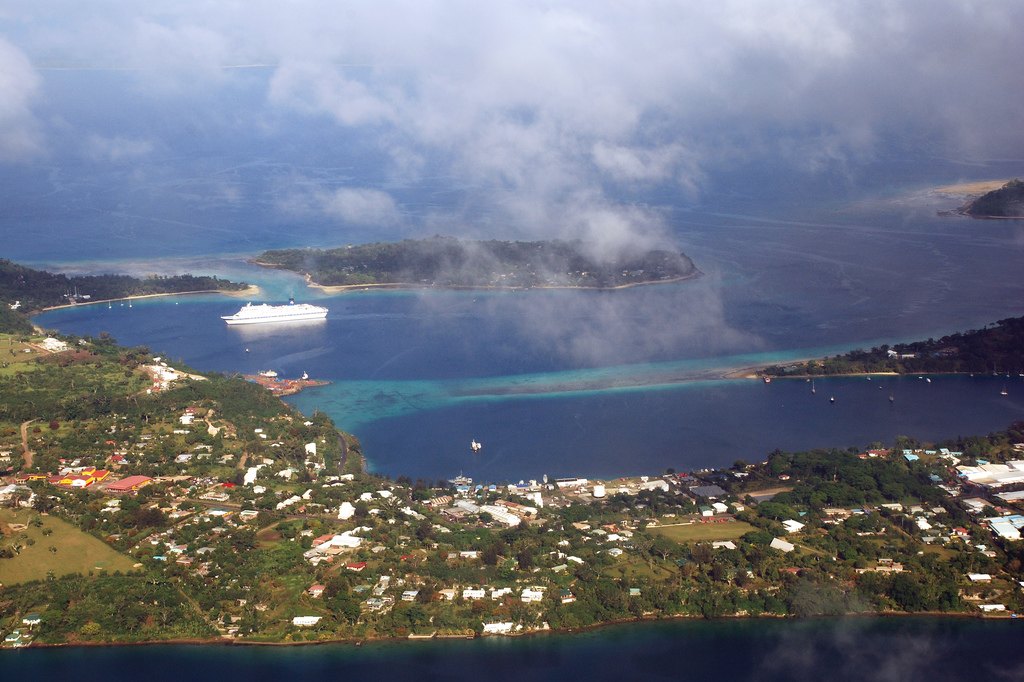
The island of Efate sits quiet in the South Pacific. Its capital, Port Vila, holds 49,034 people. That is 16.3 percent of Vanuatu’s entire population.
On August 15, 2024, those people got a mayor who breaks a long pattern. Jenny Regenvanu of the Land and Justice Party is the first woman to hold the job.
This is not a small local story. It is a data point in a larger shift. The Pacific region is small in landmass, vast in ocean, and increasingly central to global strategy.
The United States watches. The sitting U.S. president has made democracy and women’s empowerment a public priority.
Here, in the economic heart of a small island nation, a concrete example lands. Regenvanu’s election gives Washington a case study to point at. It shows progress that is not imposed from outside but chosen by a local electorate.
Vanuatu runs on tourism, agriculture, and manufacturing. Port Vila sits on the west coast of Efate, the hub where those industries connect. The city is the country’s commercial engine.
A new mayor does not change the economic fundamentals overnight. But leadership shapes how growth is managed.
Regenvanu faces a city that is growing. A growing city in a small island state means pressure on infrastructure, land, and services. The Land and Justice Party’s name signals a political base concerned with land rights.
That will matter as development pushes against traditional ownership. Her deputy, Marie Louise Milne of the Green Confederation, adds another layer.
The Green Confederation brings environmental priorities into the city’s executive. Vanuatu is on the front line of climate change. Rising seas and stronger storms are not abstract threats here.
They are annual realities. A mayor from a land-focused party and a deputy from a green party suggests a coalition that will have to balance economic expansion with environmental protection. That balance is the central tension of Pacific development right now.
Neighboring countries will watch. Port Vila is a regional trade node.
Its stability and governance affect supply chains, shipping routes, and diplomatic relationships. When the capital of a Pacific nation elects a woman to lead it, that sends a signal to other capitals. It normalizes a shift.
It makes the next woman’s candidacy in a neighboring country less unusual. Regenvanu’s election did not happen in a vacuum.
The Land and Justice Party ran a campaign that resonated. The electorate chose change. That choice reflects a population that is young, urbanizing, and connected.
Port Vila is not a remote village. It is a city with a port, an airport, and international links. Its politics will increasingly reflect global currents while being shaped by local realities.
The challenges are plain. Managing growth.
Addressing a diverse population’s needs. Keeping the economy moving while the climate shifts. Regenvanu cannot solve all of that alone.
No mayor can. But she now holds a position that sets the tone.
Her tenure will be a test of whether the Pacific’s small capitals can deliver representative, effective governance in a complicated era. The United States has an interest in that test succeeding. So does every country that trades with Vanuatu.
So do the 49,034 people of Port Vila. They elected a woman to lead them. Now they will see what that means in practice.




