
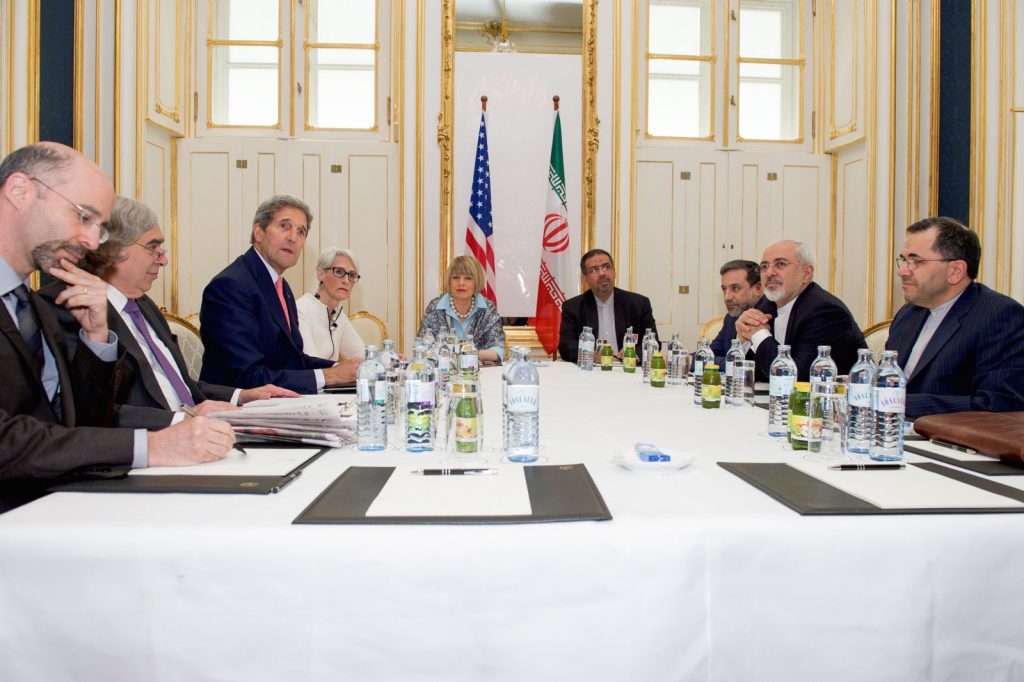
ISLAMABAD, April 12, 2026 — cybernewschronicle.com — Fourteen hours of talks in this Pakistani capital produced something neither Washington nor Tehran has managed alone in years: a pause, not yet a peace, but a pause with a path forward. The initial three rounds of Iran-US ceasefire negotiations concluded here on April 12, with both sides agreeing to keep talking. That alone is the story.
After decades of indirect confrontation, proxy battles, and nuclear brinkmanship, two adversaries sat in a room — mediated by a third party — and did not walk out. Pakistan hosted.
That matters. Islamabad has long played mediator in regional disputes, but hosting direct talks between the United States and Iran elevates its diplomatic standing considerably. The choice of venue signals that both sides wanted neutral ground outside the usual European or Gulf channels.
The talks were about one thing: a ceasefire. A binding stoppage of war, as the United Nations defines it, covering the entire geographical area of conflict.
Not a temporary truce. Not a cessation of hostilities that can be revoked at will. A ceasefire carries weight.
It is meant to last. The US Secretary of State struck an optimistic tone. “We are committed to finding a peaceful resolution to the conflict,” he said.
That is standard diplomatic language, but it matters that he said it publicly while talks were still in progress. It signals the US side wants the process to be seen as credible, not secret.
Iran’s Foreign Minister Hossein Amirabdollahian was more guarded. “We will continue to negotiate, but we will not compromise on our principles,” he stated. That too is standard.
No Iranian official can be seen as bending. But the fact that negotiations will continue — that Iran said so explicitly — suggests the principles are flexible enough to accommodate a deal.
The European Union welcomed the development. EU Foreign Policy Chief Josep Borrell called a ceasefire “a necessary step towards a lasting peace.” The UK has also backed the process. Western alignment is not surprising, but it is not automatic either.
Getting all these actors to agree on a single approach to Iran has historically been difficult. What drove this? The report does not say explicitly, but the forces are clear.
Iran faces economic pressure that has not relented. The United States is stretched across multiple global flashpoints.
Neither side can afford a new direct confrontation. A ceasefire allows both to de-escalate without losing face. Where this leads is uncertain.
Ceasefires can hold. They can also collapse.
The difference often comes down to what happens in the next round of talks. Iran said negotiations will continue. The US has not said otherwise.
That suggests both sides see value in keeping the process alive. The third-party mediator — unnamed in the report but clearly present — deserves attention. Mediation in Iran-US talks has historically failed.
The fact that three rounds were completed in a single 14-hour session indicates the mediator had leverage or trust, possibly both. Pakistan’s role here is not accidental.
The country has deep ties to both the Gulf and the broader Islamic world. It also maintains working relations with Washington. That combination is rare.
It may be why the talks happened here and not in Vienna or Geneva. Blinken’s optimism and Amirabdollahian’s caution are not contradictions.
They are the two faces of any negotiation. One side needs to sell the deal at home. The other needs to protect its red lines.
Both can be true at the same time. The ceasefire concept itself is straightforward: each side agrees to suspend aggressive actions. The hard part is defining what counts as aggression.
That is what the next rounds will have to settle. If they do, a longer pause becomes possible.
If they do not, the 14 hours in Islamabad become a footnote. For now, the talks are continuing. That is more than existed before April 12.




