
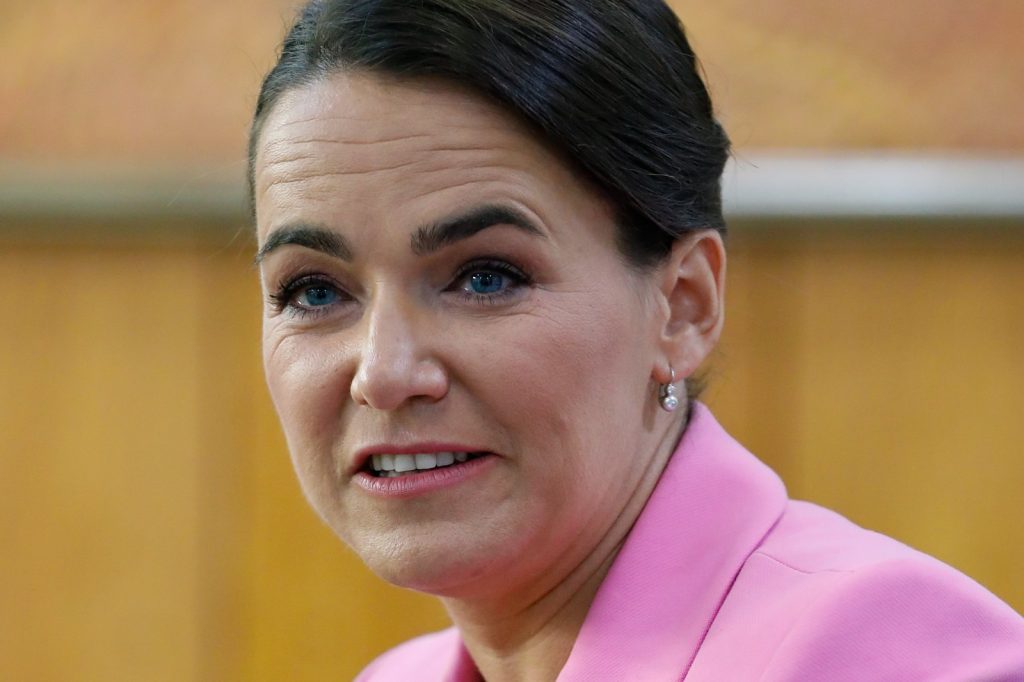
The Fall of a Presidential Ally
Katalin Novák was not simply any Orbán ally. Elected in 2022, she had served as Minister for Family Affairs from 2020 to 2021, a portfolio central to Orbán’s conservative social agenda. Born September 6, 1977, Novák was the first woman to hold Hungary’s presidency. Her resignation has forced the party to confront a question it has long avoided: whether the presidency should operate independently of the executive. The proposed amendment, put forward by Kocsis immediately after the scandal, is the most direct evidence yet that the party leadership sees a need to adjust the system.
Orbán, born May 31, 1963, first served as prime minister from 1998 to 2002 before returning in 2010. He has since overseen a steady centralization of power. Fidesz itself shifted over time from a liberal student movement into a conservative nationalist formation under Orbán’s long-term leadership. He first led the party in the early nineties and returned to its presidency in 2003 after a period in opposition. The party governed in coalition following the 1998 election and later won a commanding position in parliament after the 2010 vote. Before its current dominance, Fidesz spent years as the main opposition force after losing the 2002 election. Orbán used that time to consolidate control of the party organization and sharpen its political message.
Rewriting the Rules Before the Next Appointment
The amendment now before parliament would change the election process for the president, but the details remain crucial. If it merely shifts the selection process while keeping it within Fidesz’s control, the independence some party members claim to want may be illusory. The timing is tight. The amendment was proposed in February, and the political calendar moves fast in Hungary. With the next presidential election approaching, Orbán needs to decide whether to back a candidate who can heal the rift or one who will double down on the old model.
The strain on Fidesz’s unity is real, but so is the party’s institutional memory of how to survive internal challenges. The core subject is a Hungarian political organization that has held national power under Viktor Orbán for most of the past decade and a half. Its internal discipline has been a defining feature of that era. The party structure allowed a steady centralization of state authority through repeated electoral victories. The significance for readers lies in how the party’s cohesion has shaped Hungary’s institutions. A fracture inside Fidesz now touches the presidency and the rules governing it. That matters because the party’s unity has been the foundation of nearly all major political change in the country.
What to watch next is whether the amendment passes and, if it does, who emerges as the new president. If the candidate is another Orbán loyalist, the calls for independence will have been noise. If the party selects a figure with a genuine independent profile, the mechanics of Hungarian politics may be shifting in a way they have not for more than a decade.




