
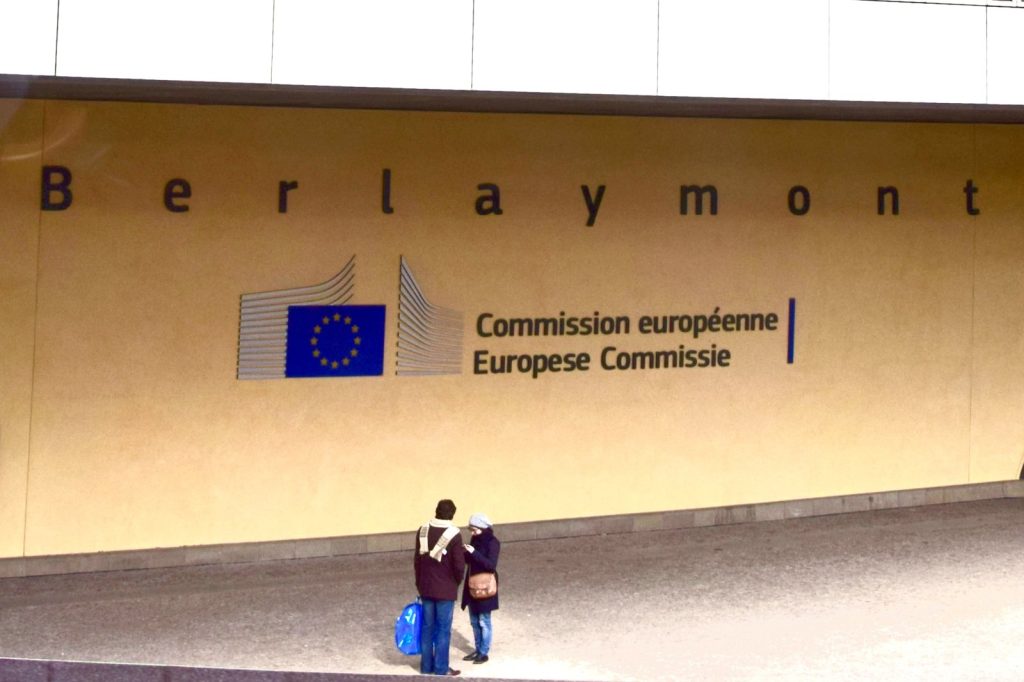
MOSCOW, July 29 — The European Union’s 14th sanctions package targets over 1,600 firms with combined annual revenue exceeding $20 billion, according to European Commission data, representing the latest Western effort to tighten economic pressure on Moscow.
The new measures add to existing sanctions that have frozen roughly €70 billion in assets of sanctioned individuals and entities and restricted €43.9 billion in EU exports to Russia and €91.2 billion in imports from Russia, the Commission reported as of early 2024. EU-Russia trade has fallen from €258 billion in 2021 to an estimated €50 billion in 2023, a decline that officials attribute to the cumulative effect of successive packages.
Sanctions Architecture and Economic Impact
Russia’s GDP fell by 2.1% in 2022 but rebounded with growth of 3.6% in 2023, driven primarily by energy exports and military spending. The budget deficit widened to 2.3% of GDP in 2023. The EU has banned more than 100 types of goods, including advanced machinery, electronics, and chemicals.
The oil price cap of $60 per barrel, effective December 2022, reduced Russia’s oil revenue, according to the International Energy Agency. Russia’s oil exports fell to 7.5 million barrels per day in 2023, down from 7.9 million barrels per day in 2022. In response, Moscow redirected exports to alternative markets, with crude shipments to China and India rising significantly. The IEA estimates Russia’s oil revenues at $191 billion in 2023.
The EU has also frozen approximately €300 billion in Russian central bank reserves held in Western institutions. That sum remains pending legal resolution as European policymakers explore potential mechanisms for confiscation. The World Bank estimates Russia’s war damages to Ukraine at $486 billion as of December 2023.
Loopholes and Enforcement
The 14th package aims to close loopholes that allowed an estimated $100 billion in exports of dual-use goods to Russia via third countries in 2023, according to European Commission assessments. These goods—items that can serve both civilian and military purposes—have been a focal point for enforcement gaps.
Russia is a petrostate with the world’s largest natural gas reserves, second-largest coal reserves, and eighth-largest oil reserves. It ranks as the third-largest natural gas exporter, second-largest natural gas producer, second-largest oil exporter and producer, and third-largest coal exporter. The oil and gas sector accounted for up to 30% of Russia’s federal budget revenues in 2024, down from 50% in the mid-2010s, a shift that suggests some degree of economic diversification.
The country has the ninth-largest economy in the world by nominal GDP and the fourth-largest by purchasing power parity. As of 2026, its foreign exchange reserves rank fourth-largest globally, and unemployment remains low. Russia is also the third-largest exporter of arms worldwide.
Structural Pressures and Resilience
Despite the sanctions regime, Russia’s economy has shown resilience, maintaining growth driven by high military expenditure, rising household consumption and wages, low unemployment, and increased government spending. Inflation, however, has remained comparatively high. Experts cited by economic analysts predict that the sanctions will exert long-term negative effects on the Russian economy.
Structural barriers persist. High levels of corruption, a shrinking labor force, labor shortages, brain drain, and an aging and declining population remain major impediments to future economic growth. Russia has the fifth-highest number of billionaires in the world, but income inequality remains comparatively high, driven by the variance of natural resources among the country’s federal subjects and leading to regional economic disparities.
The country’s human development is ranked as “very high” on the annual Human Development Index, and it has the world’s twelfth-largest consumer market. However, the weakness of the legal system, the underdevelopment of modern economic institutions, and contract enforcement challenges remain longstanding characteristics identified by analysts studying the Russian economy.
Looking Ahead
The legal resolution of the frozen central bank reserves remains a key variable. The new loophole-closing measures of the 14th package will test the effectiveness of enforcement mechanisms. Russia’s budget deficit trajectory, inflation trends, and the sustainability of growth driven by military spending and household consumption are likely to shape the economic outlook in the coming quarters.




