
BEIJING, July 28 — China’s reported engagement with Yemen’s Houthi movement represents the latest test of Beijing’s ambition to translate economic heft into political influence in the Middle East, according to regional officials and international reports. The move follows a pattern of Chinese diplomatic activism that has quietly reshaped parts of the region’s conflict landscape. The Houthi talks come after China’s most significant regional achievement in decades — the brokering of a normalization agreement between Saudi Arabia and Iran on March 10, 2023.
That deal, announced in Beijing, led to the reopening of embassies and a measurable decrease in proxy conflicts across the region, officials said. The Saudi-Iran rapprochement gave China a credibility among regional actors that no outside power had recently possessed.
A widening diplomatic footprint
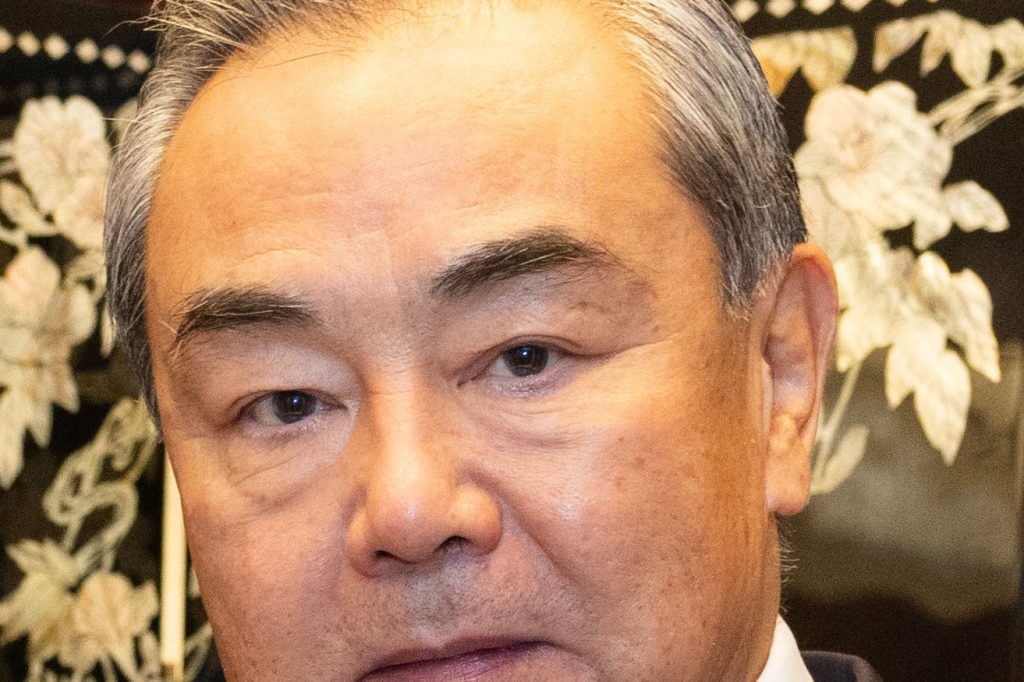
China’s foreign minister, Wang Yi, met with Houthi representatives in November 2023, according to state and international reports. He has publicly advocated for a political solution in Yemen, aligning Beijing’s stated position with the long-standing UN framework for ending the war. China’s permanent membership on the UN Security Council gives it institutional leverage that it has begun to use more assertively on Middle Eastern files.
The account indicates that China sees a direct interest in Yemen’s stability. Its Belt and Road Initiative has invested in Red Sea ports, including facilities in Djibouti and Saudi Arabia.
Those investments give Beijing a tangible stake in maritime security along one of the world’s most vital shipping lanes. Any escalation in the Red Sea directly affects Chinese commercial interests. China is also a key trade partner for Iran.
According to reports, Beijing was purchasing approximately 1.5 million barrels of Iranian oil per day as of 2024, despite the continuation of US sanctions on Tehran’s energy sector. That oil trade has given China both economic benefit and political leverage in its relationship with Iran, even as it maintains close ties with Iran’s regional rival, Saudi Arabia.
A contrasting approach
The Houthi talks illustrate a clear divergence from the US-led approach to the Yemen conflict. Unlike the American strategy, which has relied heavily on military responses and sanctions pressure, China’s method focuses on economic incentives and political dialogue. This is consistent with Beijing’s stated policy of non-interference in the internal affairs of other states — a principle that has sometimes frustrated Western governments but has won China a hearing in capitals across the Global South.
Observers note that China has positioned itself as a neutral broker, maintaining relationships with all major parties to the Yemen conflict. It has avoided the direct military involvement that has characterized US policy in the region for decades.
The question, according to regional analysts, is whether dialogue and economic inducements alone can produce results in a war that has defied repeated diplomatic initiatives.
What to watch
China’s engagement with the Houthis represents a test case. It will show whether Beijing can move beyond its traditional role as a trade partner and infrastructure investor to become an effective mediator in active conflict zones. The outcome matters not only for Yemen but for the broader trajectory of Chinese diplomacy in the Middle East.




