
A Pattern of Rapid Leadership Change
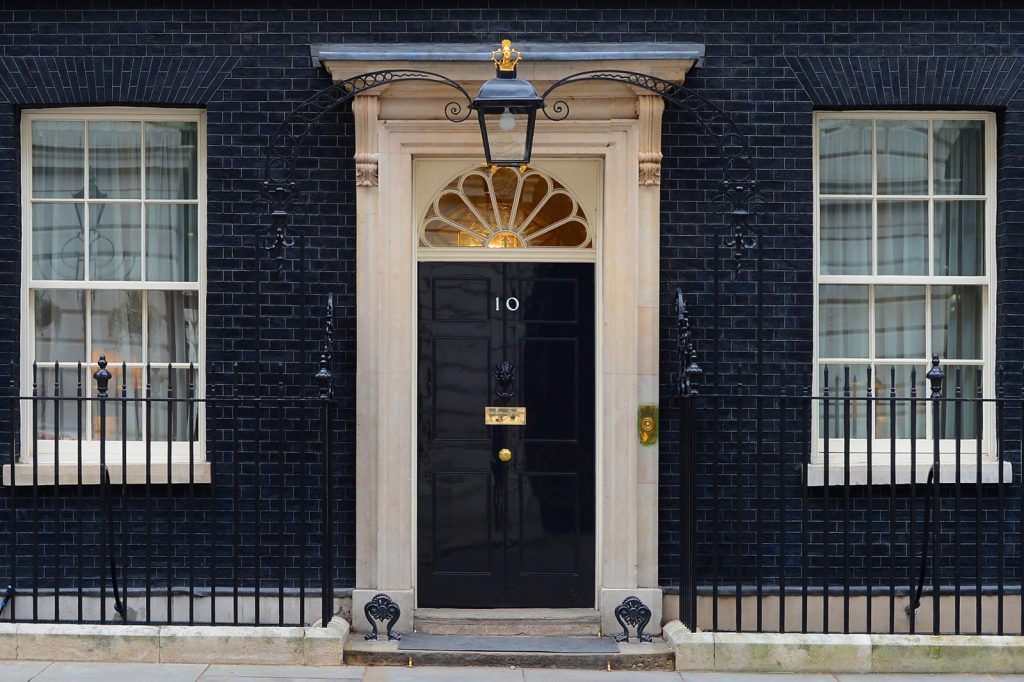
The constant churn in Britain’s leadership has become a defining feature of its recent political landscape. Each change in prime minister brings a fresh set of policy priorities, personnel shifts, and potential disruptions to long-term planning. Business leaders have had to adapt repeatedly to new governments, and citizens are left seeking a sense of stable direction from their elected officials. The UK economy has already felt the impact of this revolving door at No. 10 Downing Street, as prolonged uncertainty discourages investment and complicates fiscal and trade strategies. For investors, a sharp rise in prime minister turnover signals heightened risk. Stability in government is closely tied to economic confidence, and the lack of it in Britain presents a cautionary example for other nations. The situation remains fluid, and many are taking a wait-and-see approach as the new leadership attempts to assert control and craft a governing agenda.
US-UK Relations Under Scrutiny
The frequent leadership changes in Britain carry direct implications for the United States, a close ally with deep diplomatic, economic, and security ties to the United Kingdom. The US administration, under President Donald Trump, is paying close attention to how the political transition unfolds and what it may mean for bilateral relations. Marco Rubio, the US Secretary of State, may be called upon to comment on the situation and provide guidance on how Washington plans to navigate its partnership with London during this period of flux. The pattern of short-lived prime ministers makes it harder to build and sustain the personal rapport and institutional continuity that often underpin strong alliances. For now, the US government is adopting a cautious posture, awaiting signs of stabilization from Britain before committing to any new policy direction. The outcome will influence not only trade and security cooperation but also the broader Western alignment on global issues.
Historical Context and Global Reach
The United Kingdom of Great Britain and Northern Ireland is a sovereign state that includes the island of Great Britain and the northeastern part of the island of Ireland. Its modern political structure evolved from the Kingdom of Great Britain, which existed from 1707 to 1800, followed by the United Kingdom of Great Britain and Ireland from 1801 to 1922. The country remains a constitutional monarchy, and its realm encompasses not only the UK itself but also the Crown Dependencies and the British Overseas Territories. These institutional arrangements define how the nation is governed and how its leadership interacts with domestic and international stakeholders. Stability in the UK government has a direct effect on global markets, given the country’s status as a major economy and its close ties with other world powers. Frequent changes in leadership can alter foreign policy stances, economic agreements, and security commitments, thereby reshaping international relations and eroding confidence among allies and investors alike. The current situation in Britain serves as a reminder that political instability can produce far-reaching consequences beyond its borders. Looking ahead, the key questions center on whether the new prime minister can stabilize the government, restore economic confidence, and provide the steady hand that markets and partners seek. The US administration will be watching closely, as will investors searching for signs of solid footing. The story is still unfolding, and its next chapters will shape the transatlantic landscape for months to come.




