
A rocket assault carried out in Afghanistan’s remote Badakhshan province has resulted in the deaths of three Taliban soldiers and injuries to two others, according to a statement from the Afghanistan Freedom Front (AFF). The incident, which took place in a mountainous area far from the country’s major cities, underscores the fragility of Taliban authority in the north.
The AFF, a resistance movement founded in March 2022 by former Afghan army chief Yasin Zia, claims the attack as part of a broader campaign to challenge the Taliban’s claim of having secured the nation after its 2021 takeover. Zia, who previously served as Chief of General Staff under the ousted government, has repeatedly called for the restoration of a democratic system and has sought international support, though no large‑scale foreign intervention has materialized. Badakhshan’s rugged terrain has become a focal point for insurgent activity.
Local villages, many of which opposed the Taliban during the 1990s, continue to provide shelter, food, and intelligence to fighters. The AFF’s knowledge of the area, combined with a network of former Afghan National Army personnel, enables it to exploit Taliban weaknesses in sparsely defended outposts.
This strike marks the second significant operation by a major resistance group since the Taliban seized power. It follows coordinated efforts between the AFF and Ahmad Massoud’s National Resistance Front (NRF), another insurgent coalition operating in rural zones. The two groups have reportedly collaborated on several missions, recognizing that joint action reduces the risk of isolation and increases pressure on Taliban forces.
For the Taliban, the immediate impact is tangible. The loss of three experienced soldiers and the wounding of two more not only depletes combat personnel but also strains medical resources in an already stretched system.
More consequential, however, is the psychological blow. The Taliban’s promise of security is being contested by a visible, organized opposition that can strike beyond urban centers. Word of the Badakhshan attack has quickly spread through neighboring villages, where Taliban patrols are reportedly viewed with diminished intimidation.
This perception shift could facilitate recruitment for the AFF and other resistance factions, as locals become more receptive to alternatives to Taliban rule. The choice of Badakhshan as a target was not incidental.
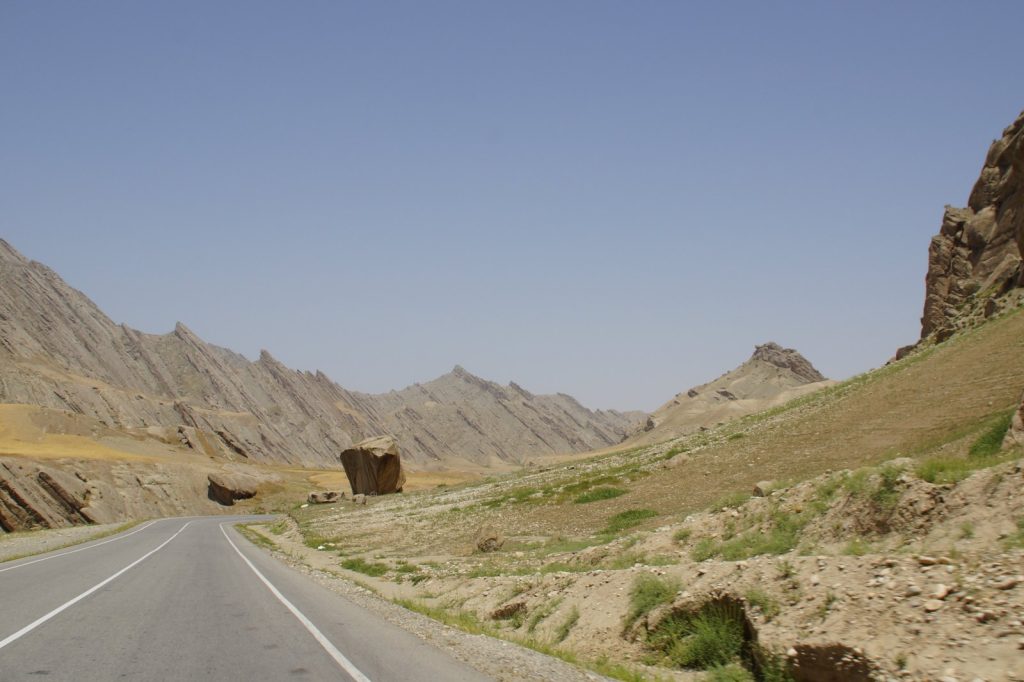
Cities remain heavily policed, making them difficult for insurgents to infiltrate. In contrast, the province’s valleys and mountains provide natural cover, while the local populace offers logistical support. By striking here, the AFF sends a clear message: the Taliban’s control over the province is incomplete.
Future developments will hinge on the Taliban’s response. A heavy-handed retaliation might alienate the very communities that sustain resistance networks, whereas a muted reaction could embolden the AFF and its allies to expand their operations.
Either scenario is likely to reshape the security landscape in northern Afghanistan. While the three‑soldier casualty figure represents a modest tactical gain for the AFF, the strategic implications are broader. The attack demonstrates that an organized insurgency remains active three years after Kabul’s fall, capable of coordinating strikes that challenge the Taliban’s narrative of absolute authority.




