
MOSCOW, July 19 — The shift is unmistakable: the Wagner Group, once the personal fighting force of Yevgeny Prigozhin, now answers to his son Pavel. But the group’s leadership structure remains opaque, a fact that raises questions about who really controls Russia’s most notorious private military company. What’s changing?
Wagner first surfaced in 2014 during the war in Donbas, assisting Russian separatist forces in Ukraine. By the time of the full-scale invasion in 2022, it had grown from around 1,000 fighters to somewhere between 20,000 and 50,000, drawing heavily from Russian prison inmates for frontline combat.
The group became Russia’s main assault force in the grinding Battle of Bakhmut.
The Rebellion That Shook the Kremlin
Yet the trend underneath has always been about plausible deniability. The Wagner Group has allowed Moscow to wage war abroad while hiding the true human cost. That deniability shattered on June 23, 2023, when Prigozhin led his men in an armed rebellion.
They seized the city of Rostov-on-Don and began marching toward Moscow. The mutiny ended the next day when a deal granted amnesty to those who signed contracts with the Defense Ministry or relocated to Belarus.
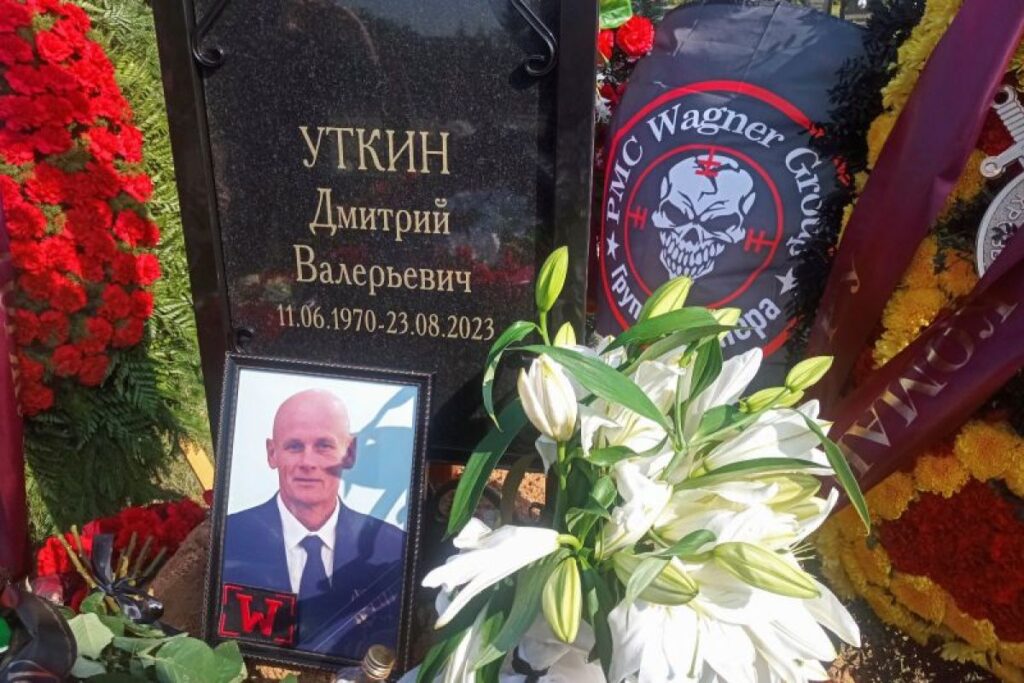
Two months later, on August 23, 2023, Prigozhin — along with commanders Dmitry Utkin and Valery Chekalov — died in a plane crash in Russia. The cause is widely believed to have been an onboard explosion, with many suspecting Russian state involvement.
From Father to Son
In October 2023, pro-Wagner groups reported that Pavel Prigozhin, Yevgeny’s son, had assumed command. But exactly how much control he wields — and whether Moscow is pulling the strings from behind — is unclear. The group’s leadership structure remains a black box.
Meanwhile, Wagner’s footprint extends far beyond Ukraine. The group has backed regimes friendly to Russia in civil wars in Syria, Libya, the Central African Republic, and Mali.
In Africa, it offers security in exchange for diamond- and gold-mining concessions for Russian companies. Evidence suggests the Kremlin uses Wagner as a proxy to maintain operational distance while advancing its geopolitical interests. The group has also been accused of war crimes: murder, torture, rape, and robbery of civilians, as well as torturing and killing accused deserters.
Some members, including alleged co-founder Dmitry Utkin, have been linked to far-right extremism. So what’s next?
The trend underneath is that Russia’s appetite for plausible deniability hasn’t diminished. A privatized military force — now under a new, less-tested leader — can still be dispatched to hot spots without a formal declaration of war. Watch this space: as long as Moscow values deniability, Wagner — or something like it — will find new battlefields.




