KUWAIT CITY, November 27, 2026 — A drone strike on a Kuwaiti military installation killed two Italian defense technicians on November 26, drawing a direct accusation from Kuwait and Italy against Iran and a public call from the European Commission president for increased pressure on Tehran. The attack occurred at approximately 2 p.m. local time at an air defense site where the victims were performing scheduled maintenance on a Skyguard radar system.
The Strike and the Victims
Kuwaiti armed forces reported intercepting several drones in national airspace. Shrapnel from the interceptions fell on the facility, wounding four people: the two Italian technicians, a Kuwaiti national, and a Pakistani national. The Italians succumbed to their injuries, the Kuwaiti Ministry of Defense confirmed.
The deceased were identified as Antonio Saccoccio, 65, a native of Formia, and Emanuele Lo Russo, 36, a resident of Rome. Both were employees of Rheinmetall Italia. According to Italian Foreign Minister Antonio Tajani, addressing the Italian Senate, the men were working on the Skyguard air defense system’s radar antennas at a detection station when the strike occurred. Tajani stated that preliminary checks indicated the drone was of Iranian construction.
Attribution and Denial
Kuwait and Italy publicly attributed the attack to Iran within hours. Iran’s Foreign Minister Abbas Araghchi rejected the accusation in a post on X, describing the incident as “suspicious and looks like a precooked recipe for war.” The Iranian Embassy in Rome issued a statement categorically rejecting the allegation and expressing willingness to participate in a joint investigative commission with Kuwait and Italy. Mehr News Agency reported that Araghchi told his Kuwaiti counterpart, Jarrah Jaber Al-Ahmad al-Sabah, that Iran had no involvement and stood ready to cooperate on determining the cause.
European Response
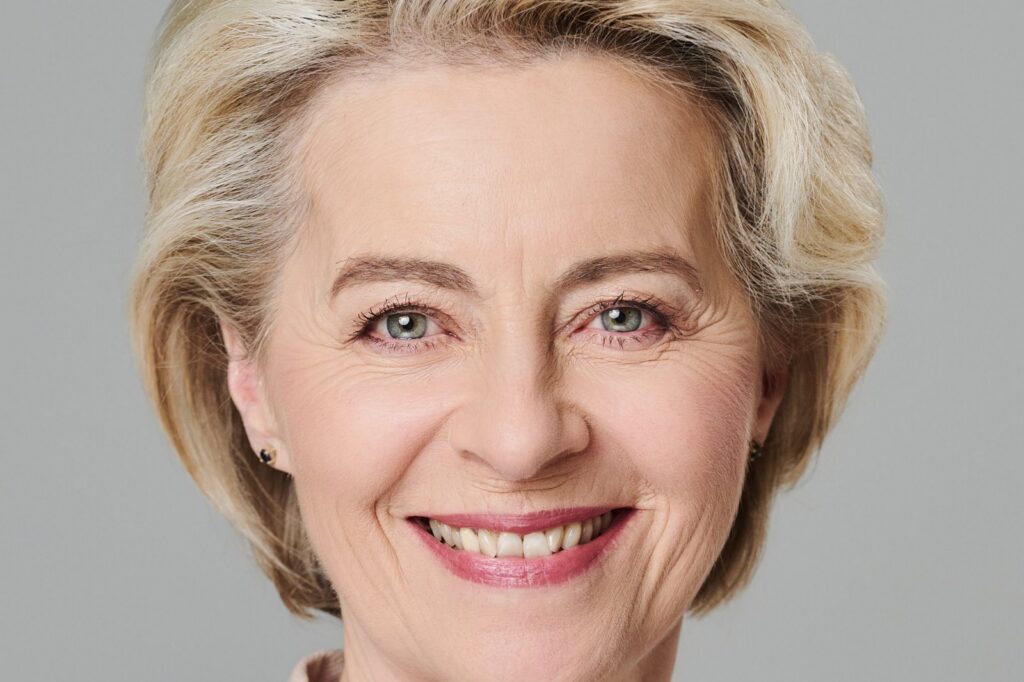
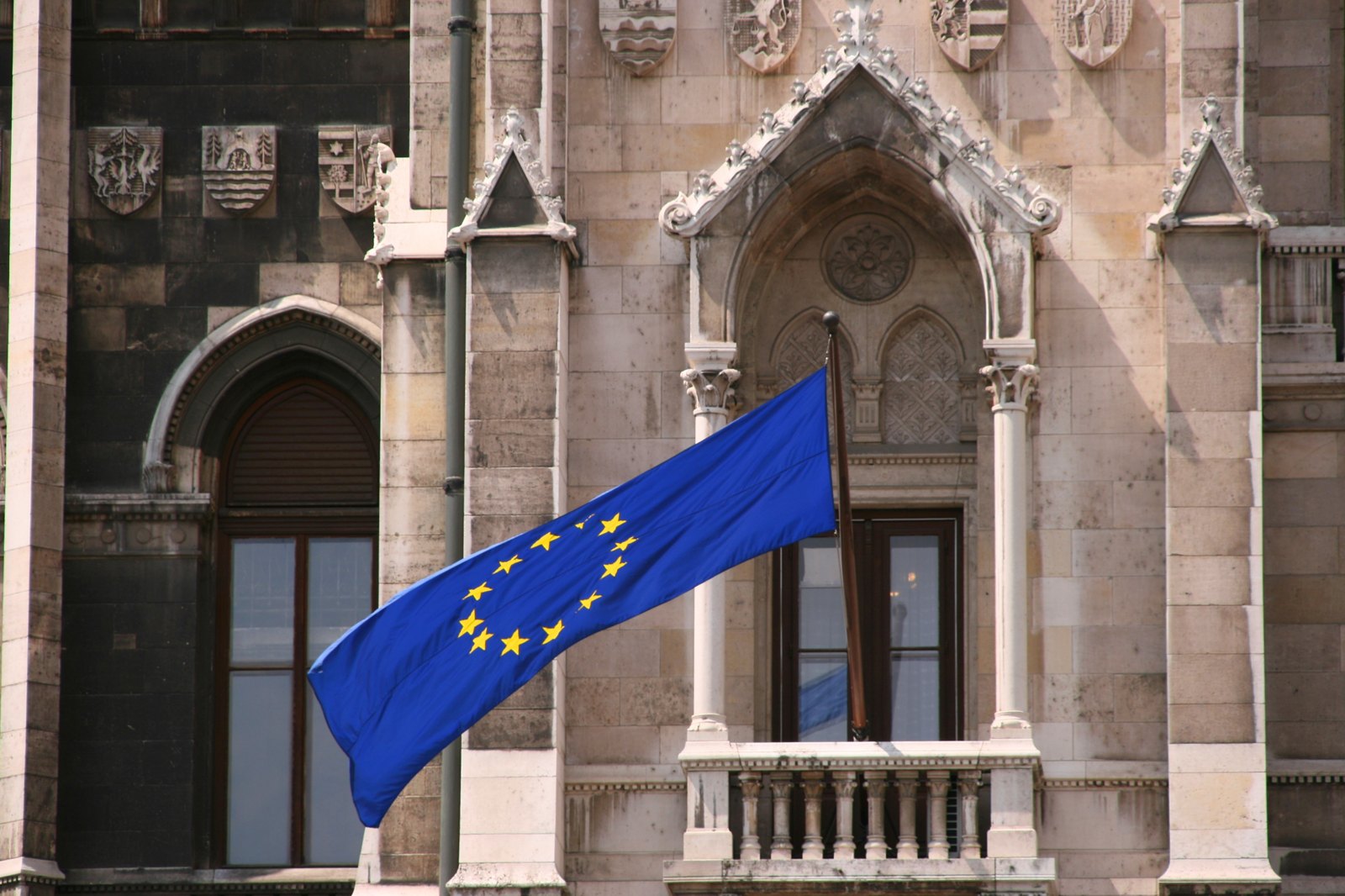
European Commission President Ursula von der Leyen responded the same day. “Today’s events are yet another reminder that security in the Gulf is a matter of security for us all,” she said. “We must step up pressure on Iran to put an end to these unacceptable attacks against its neighbours and our partners in the Gulf.” The statement marked a sharpening of the EU’s public posture following weeks of diplomatic emphasis on de-escalation.
Regional Escalation and Oil Markets
The Kuwait strike coincided with a broader flare-up across the Gulf. On November 25, Houthi forces claimed attacks on Saudi Arabia’s King Abdullah Financial District in Riyadh, wounding 11, and on the Ras Tanura refinery complex on the eastern coast. A separate strike on a refinery in the Jazan region killed a Nepali worker and injured several others, according to the Saudi Press Agency. The Saudi-led coalition retaliated with air strikes on Hodeidah port in Yemen.
Global oil prices, which had fallen roughly 20 percent in recent weeks amid a stalemated U.S.-Iran conflict, reversed course. Brent crude rose 2.07 percent to $96.57 a barrel. West Texas Intermediate climbed back toward $85. The rebound followed Iranian threats to intensify attacks on shipping and the reported mining of two tankers in the Strait of Hormuz, which the International Maritime Organization said brought to at least 35 the number of commercial vessels attacked in the waterway since October.
European Arrests and the Iran-Linked Network
On the same day, German authorities arrested two Iraqi nationals in Cologne and Heidelberg on suspicion of terrorism. The Federal Public Prosecutor’s Office identified them as Mostafa Al-R. and Ameer J. The investigation centers on alleged links to Harakat Ashab al-Yamin al-Islamiya, a group the U.S. government has designated a front for Iran’s Islamic Revolutionary Guard Corps and the Iraq-based militia Kataib Hezbollah. British authorities have also designated the group a terrorist organization. The suspects are alleged to have targeted U.S., Israeli, and Jewish institutions in Europe.
U.S. Assessment of Russian and Chinese Roles
At a Mar-a-Lago press conference, President Trump downplayed intelligence cooperation between Iran and its major-power partners. “I don’t think they give very much,” he said of Russian intelligence sharing. Of China, he said: “I think that they’re very little involved with Iran. They could get involved, but involvement to me would mean shooting, not giving them little information.” He added that both Moscow and Beijing want the conflict to end and “they’re helping me in that regard.” The remarks contrasted with earlier reports from a senior U.S. official cited by CBS News that Russia was providing Iran intelligence on U.S. positions in the Middle East.
Next Steps
Kuwait and Italy have not publicly responded to that offer. The OPEC+ ministerial meeting scheduled for November 29 will convene against the backdrop of the renewed price surge and the widening geographic scope of attacks on energy infrastructure.
Sources
- Iran accused of deadly drone attack in Kuwait that sparks EU call to step up pressure on Tehran
- Iran Accused in Kuwait Drone Attack That Killed Two Italians, EU Calls for More Pressure: 60 outlets compared | NewsCord
- Iran accused of carrying out drone attack killing 2 Italians in Kuwait
- 科威特遭无人机袭击,2名意大利技术人员身亡,欧盟呼吁加大对伊朗施压
- Live Updates: Iran accused of deadly drone attack in Kuwait that sparks EU call to step up pressure on Tehran
Photo: European People's Party (CC BY 2.0)