WASHINGTON, November 27, 2026 — U.S. forces disabled a commercial vessel in the Gulf of Oman on Thursday after its crew allegedly attempted to breach the American naval blockade on Iranian ports, according to U.S. Central Command.
Merchant Ship Disabled After Warnings
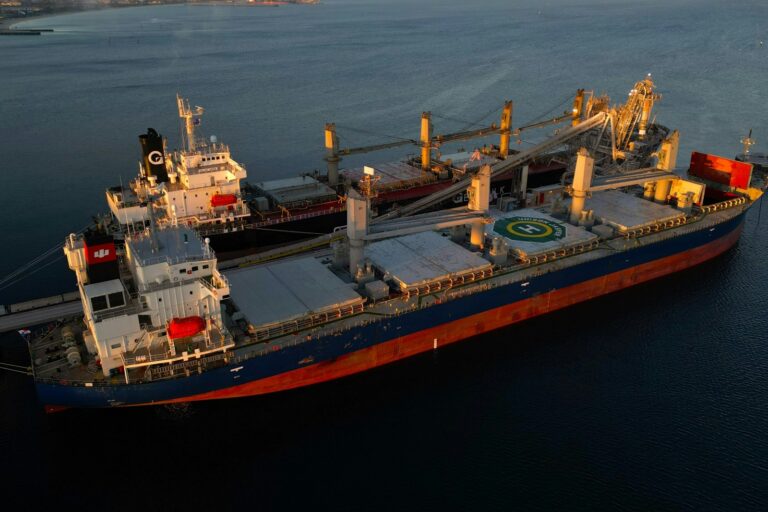
On the ground, the scene in the Gulf of Oman was tense as a U.S. military aircraft fired precision munitions at the stern of the Palau-flagged M/V Pacific Archer. The ship, a bulk carrier, had departed from the Iranian port of Bandar Abbas with its destination listed as Singapore, according to ship tracking websites. Residents describe the sound of the strike echoing across the water, a sharp, percussive blast that marked the disabling of the vessel’s propulsion system. By nightfall, the crippled ship was left adrift.
CENTCOM confirmed the civilian crew was unharmed, stating they had been given multiple warnings before the strike. The Pacific Archer was the first commercial vessel CENTCOM reported disabling since Iranian officials publicly vowed to break the blockade, a direct challenge to the U.S. military posture in the region.
Escalation in a Regional Standoff
The strike is part of an ongoing U.S. naval blockade that was resumed in July after a brief lifting during peace talks. Since then, U.S. forces have redirected 158 compliant commercial vessels and disabled six that refused to comply, including the Pacific Archer. This brings the total number of vessels disabled since the blockade began in the spring to at least 15. The previous vessel was disabled on November 7.
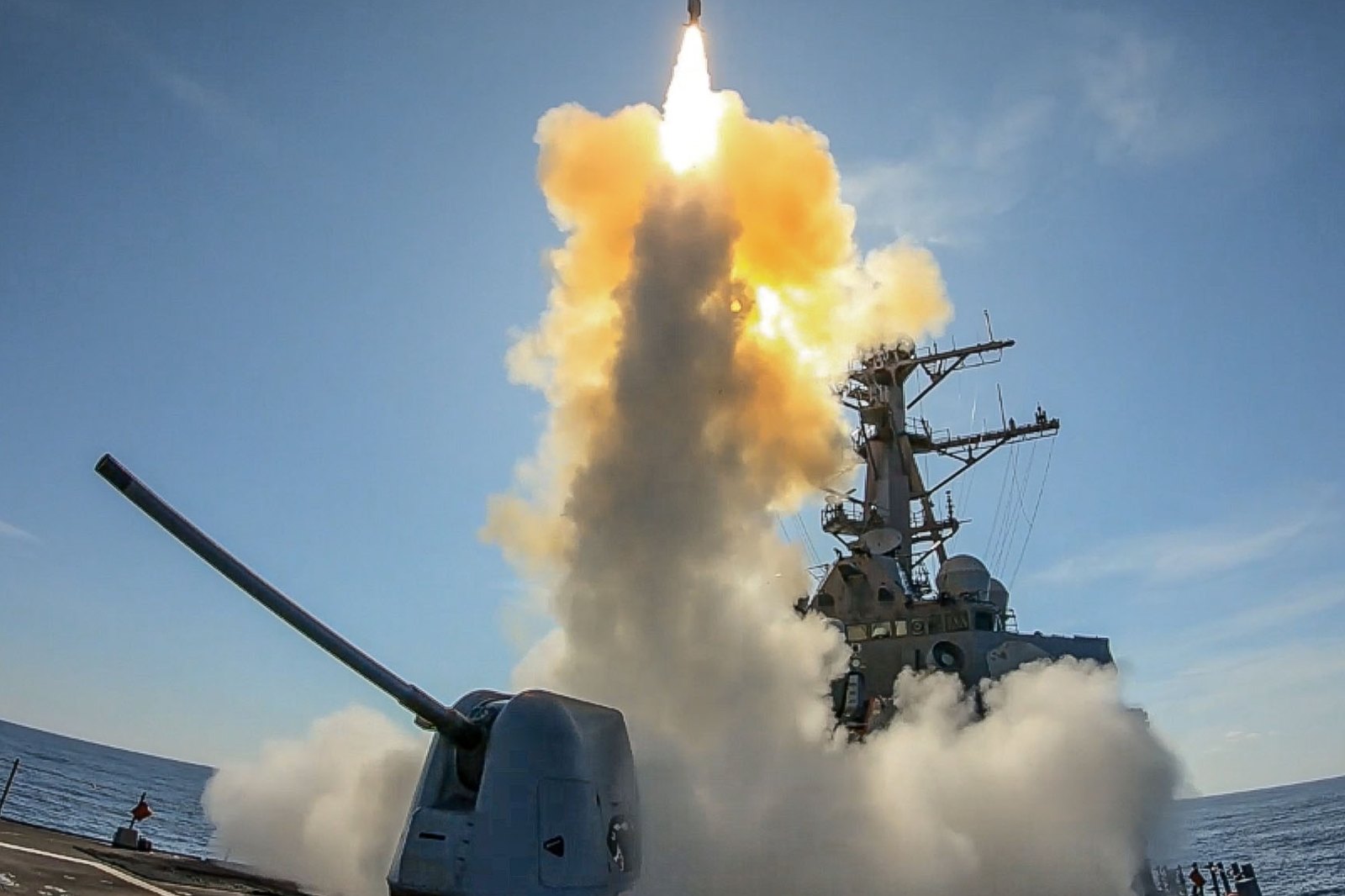
The escalating tensions come as the Trump administration oscillates between threats and claims of progress. President Trump said Thursday that victory in the conflict would be achieved “whenever I want it,” though he expressed doubt that Iran would “be smart” enough to accept his terms. Meanwhile, Iran’s navy commander, Shahram Irani, stated on state television that Iran will carry out operations “that will not only break the naval blockade but also drive the enemy out of the region’s waters.”
A Diplomatic and Military Buildup
Behind the on-the-ground confrontations, a diplomatic and military posture is taking shape. The U.S. has maintained a sizable naval force in the region, including a constant presence of two aircraft carriers and a host of other ships. The USS Theodore Roosevelt recently arrived in the U.S. Central Command area of responsibility, replacing the USS George Washington.
Concurrently, Persian Gulf countries, along with Pakistan and Turkey, have been engaged in a diplomatic campaign to stave off a wider war. The nations, bound by a trilateral defense pact, have vowed to support Saudi Arabia against attacks by Iran-backed Houthi rebels in Yemen. Pakistan’s Foreign Minister Ishaq Dar emphasized the agreement is defensive, aimed at strengthening strategic security cooperation, not directed against any specific country.
The conflict has drawn in other regional actors. In Yemen, Houthi forces reported an airstrike in Taiz province killed at least 11 people, including children, blaming Saudi Arabia for the attack. Local authorities aligned with the Saudi-backed government denied any air operations took place and held the Houthis responsible. The United Nations Secretary-General Antonio Guterres condemned a separate drone attack in Kuwait that killed two Italians, calling on “all parties to exercise restraint” and warning that “renewed hostilities would have devastating consequences for the region and beyond.”
Iran has denied responsibility for the Kuwait attack. The Revolutionary Guard also claimed two tankers attempted to transit the Strait of Hormuz through an “unauthorized” route, with one striking a naval mine and the other being forced to turn back, though these claims could not be independently verified.
The blockade has also taken a significant economic toll on Iran. U.S. Treasury Secretary Scott Bessent said Wednesday that Iran had no oil left at sea to sell. On Friday, Iran’s Central Bank Governor Abdolnaser Hemmati acknowledged the blockade and sanctions had raised trade costs, restricted access to funds, and squeezed government revenue, adding pressure on the rial and consumer prices.
On Friday, Mohammad Mokhber, an adviser to Supreme Leader Mojtaba Khamenei, told reporters the Strait of Hormuz would stay closed and that Iran would prevent the U.S. blockade from remaining in place.
Sources
- Iran War Updates: U.S. forces disable commercial ship that allegedly tried to breach blockade on Iranian ports
- US military says it has disabled another ship trying to breach its Iran blockade
- US military says it disabled another ship that tried to breach naval blockade on Iranian ports
- US disables first ship since Iran vowed to break blockade
- US disables commercial ship in Gulf of Oman, CENTCOM says
Photo: Iain / Unsplash (Unsplash License)