Military doctors on the ground in the Iran war are sounding the alarm about a catastrophic lack of adequate supplies and resources, warning that degraded surgical capabilities could put American troops in extreme danger.
On the Ground in the Iran War
As the conflict drags into its ninth month, the strain on medical teams is becoming a critical front in the war itself. Spouses of medical officers with the Navy’s 1st Medical Battalion describe a deployment stretched from a planned 90 to 180 days to nearly nine months. The scene on the ground, they report, is one of profound frustration and risk. Some officers have not performed a single surgery, simply because they had nowhere safe to do their jobs. The battalion, designed to perform surgery, medically evacuate patients, and handle blood banking and radiology in any setting overseas, is instead operating under severe constraints, its full capabilities unrealized.
The Unforgiving Reality of Military Medicine
Military medicine is a specialized field defined by the harsh realities of conflict. It encompasses the planning and practice for managing mass battlefield casualties and the immense logistical challenges of operating combat support hospitals. Unlike a clinical setting, providing care in a combat environment presents a “huge difference” in both medical training and the pressures involved, according to those who have done both. The field also involves the occupational medicine required to attend to the unique medical risks and needs of soldiers, sailors, and other service members, from tropical diseases to the ergonomics of operating military-specific machinery.
Logistical Nightmares and Skill Erosion
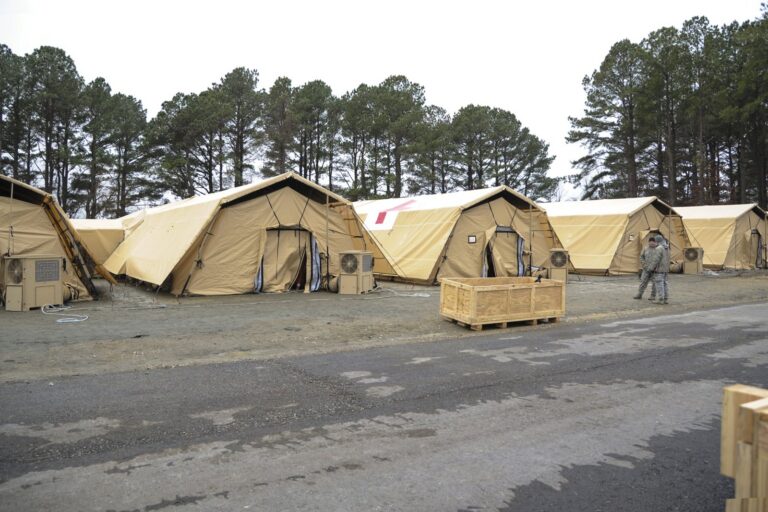
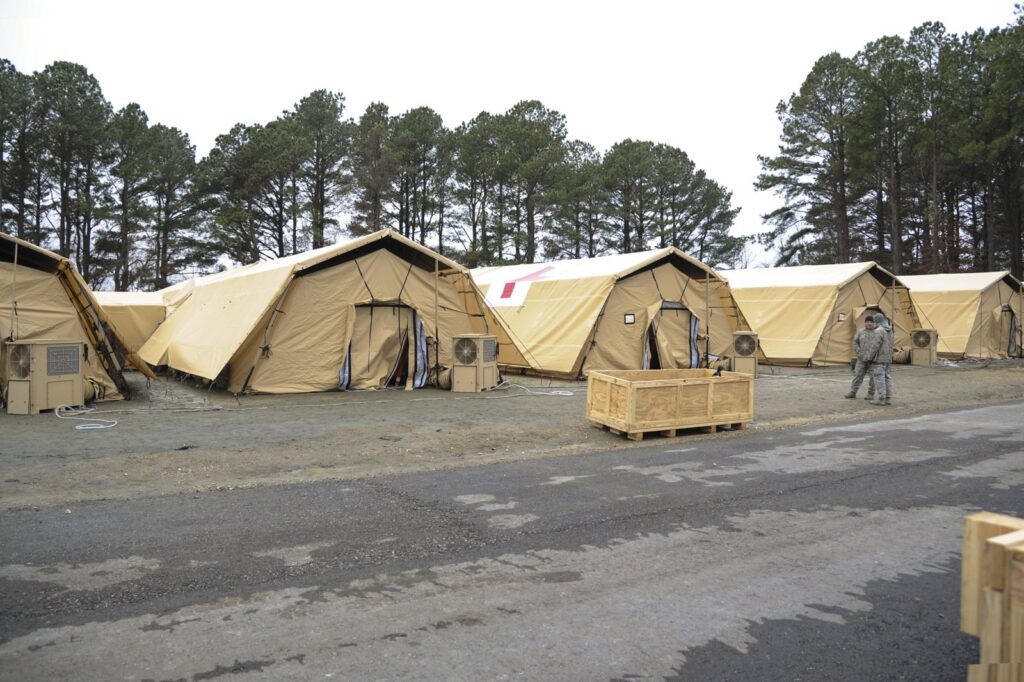
The challenges on the frontlines are both logistical and operational. One medical officer wrote of being forced to perform surgeries from a field tent, an environment he described as “inadequate” given the ongoing threat of drones and missile attacks and the absence of an armored medical facility. The risks to both patients and medical personnel are real and immediate. This reality is taking a toll, not just on the battlefield but on the medical readiness of the personnel themselves. The prolonged strain and inability to practice their skills in a proper setting are degrading their capabilities, a dangerous trend when every second counts.
A New Strategic Reality: Planning for a Fight Without the Golden Hour
This crisis is forcing a fundamental rethink of military medical strategy. The Uniformed Services University (USU) has adopted a strategic plan through 2029 that starts from a hard assumption: in the next fight, a wounded service member may not reach a surgeon within the Golden Hour—the critical window of time that has defined battlefield medicine for the past two decades. The plan commits USU to becoming a fully digital-first institution, focusing on ensuring that military health professionals maintain the operational expertise needed to support a medically ready force, even under severe constraints. The goal is to adapt the entire system to a new reality of care, one where advanced planning and innovation are as crucial as the surgeons themselves.
Twenty-three American troops have been killed in the Iran war, with another 865 wounded, according to the Defense Department’s public casualty database. The human cost is a constant reminder of the stakes.
Sources
- Military doctors sound the alarm over potentially catastrophic lack of medical resources in Iran war
- Military medicine
- Honors Cooper Conversation explores military medicine and veteran healthcare
- Vision 2029: USU’s Strategic Plan for 2026–2029
- Veterans Can Get Free Craft Kits Shipped Home. A New San Diego Studio Opens for Military Families
- Putinâs $200M Warship Goes Up in Flames in Latest Humiliation
Photo: Staff Sgt. Steve Stanley, U.S. Air Force Air Combat Command Public Affairs (Public domain)