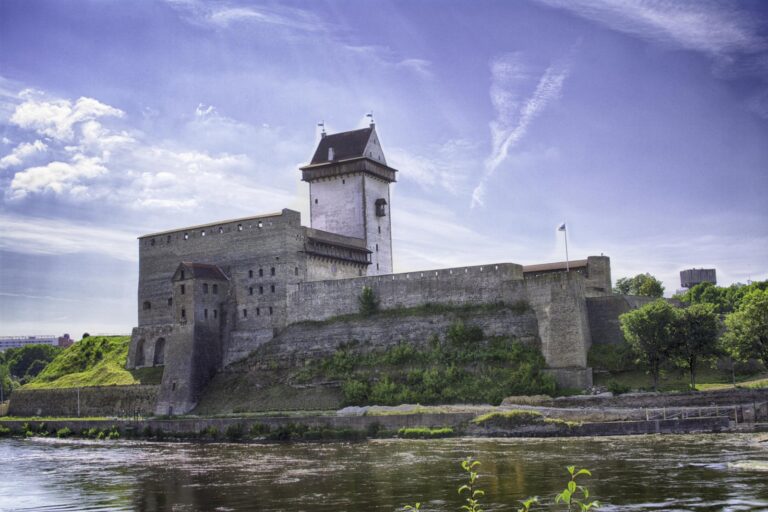
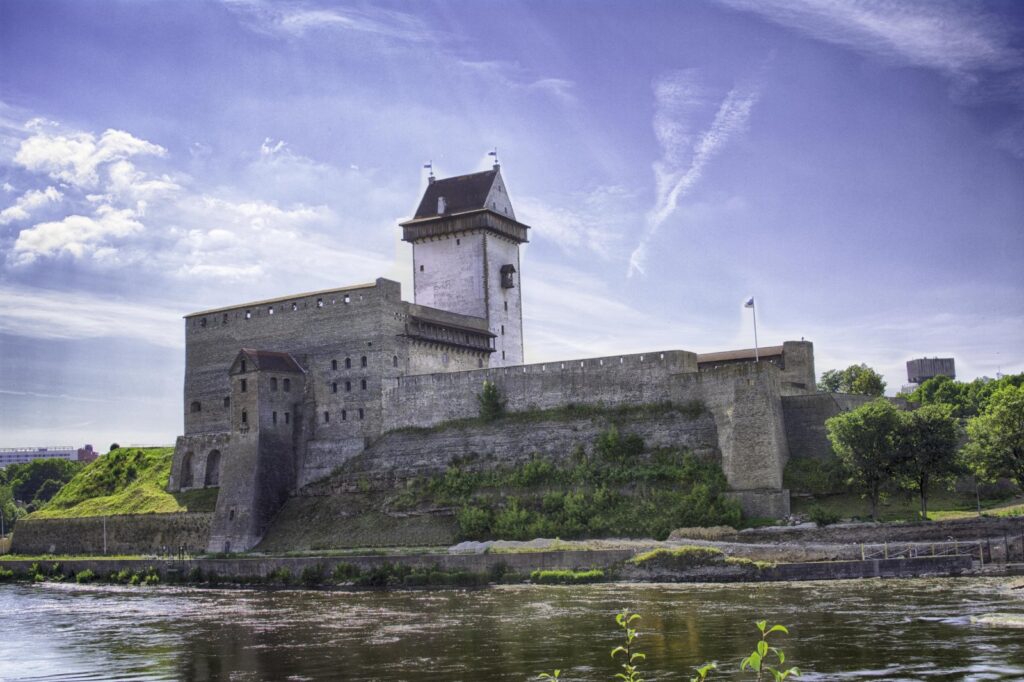
TALLINN, November 24, 2026 — Russia’s Foreign Ministry summoned Estonia’s charge d’affaires Marek Uhtegi on Monday, warning that Tallinn’s decision to close all road border crossings has brought the two countries “on the verge of triggering open war.” The formal protest followed Estonia’s announcement last Friday that it would shut the crossings for at least six months starting December 1, citing a foiled arson plot at a defense plant blamed on Russian intelligence.
The Catalyst: Foiled Arson at Threod Systems
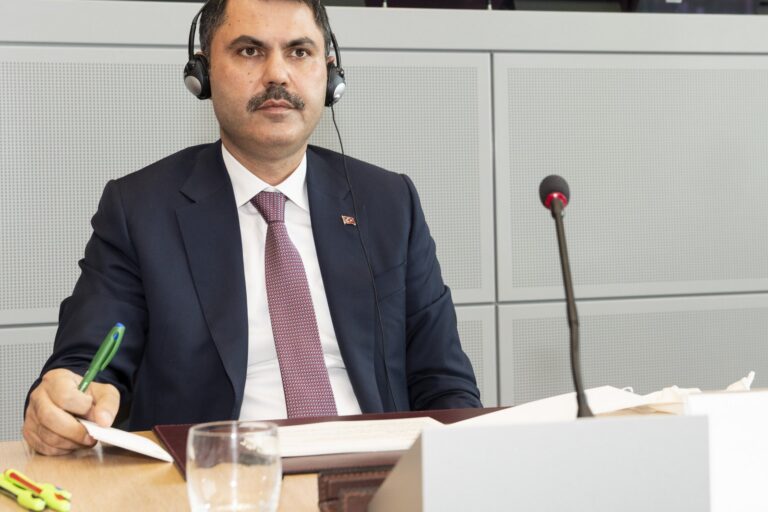
Estonian authorities said the closure was a direct response to an attempted arson attack on Threod Systems, a drone manufacturer. Tallinn attributed the plot to Russian intelligence services. Foreign Minister Margus Tsahkna wrote in a Politico column published Monday that sabotage attacks are increasing across Europe as part of a large-scale campaign to undermine the continent’s security system, intimidate neighbors, and dictate terms to sovereign countries. He argued that Russian intelligence uses cross-border movement for recruitment and operations, and that closing the border will reduce that capacity while also combating sanctions evasion.
Russia has denied involvement in the arson attempt. The Russian Foreign Ministry statement said the border closure “will inevitably backfire – not only on Tallinn itself but also on its allies within the EU and NATO.”
Moscow’s List of Grievances
In its statement after summoning Uhtegi, the Russian Foreign Ministry listed the border closure as the latest in “numerous hostile actions.” The ministry accused Estonia of tacitly allowing Ukrainian drones to use its airspace for attacks on northwestern Russia, a claim Tallinn denied. Moscow also cited bans on Russian and Belarusian grain transit, restrictions on the Russian language, and threats to close the Russian Orthodox Church in Estonia. The ministry reserved the right to take “comprehensive political and diplomatic measures aimed at protecting Russia’s national interests and the legitimate rights of its citizens.”
Estonia’s Foreign Ministry responded that it does not generally comment on Russian propaganda narratives but reiterated that Estonia has never allowed, and will never allow, its territory to be used for military operations by another country. Tsahkna posted on X that Moscow is “flooding the airwaves with baseless accusations against Estonia to distract from its own actions undermining European security.”
NATO and Article 4 Expectations
Estonia has been a NATO and EU member since 2004. NATO Secretary General Mark Rutte said Monday the alliance is monitoring the security situation in Estonia and has options to respond if needed. Sources familiar with alliance planning expect Article 4 consultations, which allow any member to request discussions when it believes its territorial integrity or security is threatened. The record shows the alliance has backed Baltic members in previous hybrid incidents, including airspace violations and undersea cable damage.
Maritime Layer: EUROGUARD Enters the Baltic
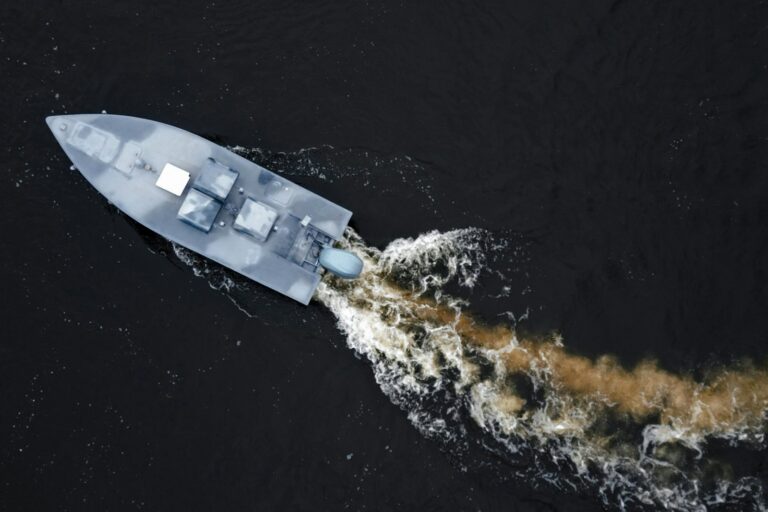
While the land border closes, Estonia is expanding its maritime surveillance. The EU-funded EUROGUARD semi-autonomous naval vessel launched on November 18 in Nasva. The 45-meter vessel is designed for maritime surveillance, mine detection, undersea cable protection, and critical infrastructure defense. It can operate with or without a crew on board. The project, coordinated by Baltic Workboats, brings together 29 organizations from 10 European countries with €65 million in European Defence Fund backing out of a total budget of about €95 million. The vessel is intended to improve situational awareness on the EU’s eastern flank and support the bloc’s Readiness 2030 ambitions.
Cyber Command and the Digital Embassy Model
Estonia’s defense posture extends beyond physical borders. The country’s Cyber Command and its “digital embassy” model — storing critical government data on sovereign servers abroad — harden critical networks against intrusion. The approach, developed after the 2007 cyberattacks attributed to Russian actors, treats digital infrastructure as sovereign territory. Current threat assessments from Western intelligence services indicate Russian cyber units remain active against Baltic defense contractors and logistics hubs supporting Ukraine.
Economic Impact on Border Regions
The six-month closure affects a country of 1.4 million people with a significant ethnic Russian population. Residents in border regions such as Narva and Koidula regularly travel to Russia for family and commerce. Local officials have criticized the move for cutting off livelihoods and cross-border ties. Tsahkna acknowledged the inconvenience in his column but placed responsibility on the Kremlin, writing that by the end of the war, Russia must understand that any attempt to threaten Estonia’s security will cost it even more. The record shows transit of Russian and Belarusian grain through Estonian ports had already been restricted prior to the full road closure.
What Comes Next
The border closures take effect December 1. NATO foreign ministers are scheduled to meet in Brussels on December 3, where the Estonia-Russia escalation is expected to feature on the agenda. The Russian Foreign Ministry said it reserves the right to respond with measures to protect national interests. Tsahkna wrote that five years of war have not changed the Kremlin’s ambitions and that Moscow is not seeking to end the war but to use negotiations to restore its spheres of influence in Europe.
Sources
- Russia Accuses Estonia of Hostilities ‘On the Verge of Triggering Open War’
- Estonia
- Russia threatens ‘hostile’ Estonia with ‘open war’
- EDF-funded EUROGUARD vessel launched in Estonia
- Russia warns British ally Estonia is ‘on the verge of triggering open war’
- Why is Estonia closing its border with Russia? Estonian Foreign Minister Margus Tsahkna explains in a column for Politico. — Meduza
Photo: Andrey Korchagin from St. Petersburg, Russia (CC BY-SA 2.0)