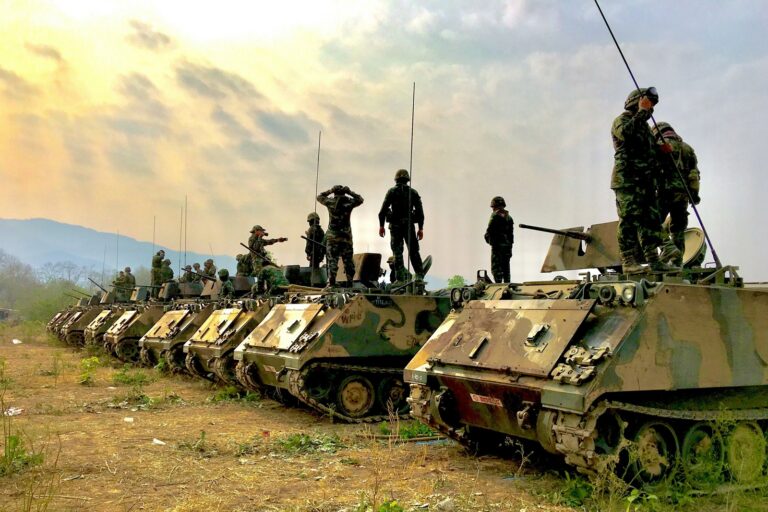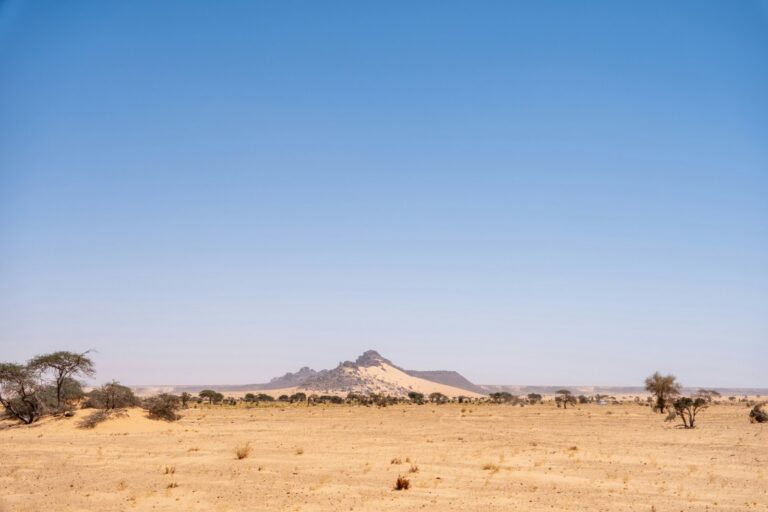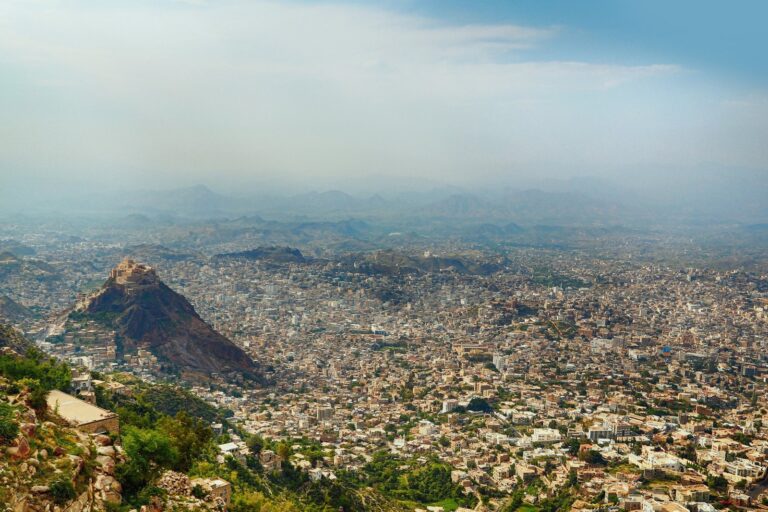
BADME, November 28, 2026 — Heavy fighting erupted near the border town of Badme on November 25 and 26, involving the Ethiopian army and Eritrean forces, according to the Armed Conflict Location and Event Data project. Villagers in the area told BBC Tigrinya that heavy weapons, air strikes and drones were used from the early hours of November 25 into the following day.
Border Clashes and Competing Accounts
ACLED reported that the Ethiopian army and the government-allied Tigray Peace Force took the position of Gual Gemhalo on November 26 after fighting through the night with Eritrean Defence Forces and Tigray Defence Forces. Residents believed the fighting was mainly between federal and Tigrayan forces. No government has commented on the engagements, and the accounts could not be independently verified.
By mid-November, Eritrean troops had returned to Badme after pulling back in October, according to ACLED data cited by the Geopolitical Monitor. A boundary commission awarded the town to Eritrea after the 1998-2000 war, giving Asmara a sovereign interest in a location now caught up in Ethiopia’s internal conflict.
Diplomatic Rupture and the Port Dispute
The two governments cut diplomatic ties on October 1. The rupture follows months of escalating rhetoric over Ethiopia’s demand for Red Sea access. Ethiopia has been landlocked since Eritrea’s independence in 1993 and relies heavily on Djibouti’s ports for international trade. Prime Minister Abiy Ahmed has called sea access an existential question and said in October 2023 that Ethiopia would regain Assab in “a matter of time.”
Eritrea’s government says Ethiopia has declared “a war of aggression” to seize Assab. Assab lies inside Eritrea, a UN member since 1993 whose borders Ethiopia recognised; the UN Charter bars the threat or use of force against any state’s territorial integrity. Eritrea has asked the UN Security Council to act.
Abiy’s Parliamentary Address
In remarks to the House of Peoples’ Representatives on November 27, reported by Addis Standard, Mr Abiy said Ethiopia “will not wage an invasion” and wants sea access “peacefully and through dialogue.” He asked Eritrea to stop “arming Ethiopia’s enemies” and said Asmara had turned down offers of electricity, roads and joint port development.
A day earlier, Eritrea’s information minister, Yemane Gebremeskel, told a retreat of the UN country team in Asmara that “Ethiopia is set to launch a massive war of aggression against Eritrea,” according to the text published by the Eritrean Ministry of Information.
Exclusion from the Pretoria Agreement
The 2022 Pretoria agreement ended the main phase of the war between Addis Ababa and the Tigray People’s Liberation Front. Eritrean forces fought alongside Ethiopian government troops against Tigrayan fighters, but Eritrea was excluded from the settlement. Tigrayan leaders feared giving up their arms while territory remained contested and displaced families could not return. Federal authorities saw continued possession of arms as grounds to retain control. The division among Tigrayans persists; some fought to bring federal forces back to Mekelle, while others have taken up arms against them.
International Warnings
The G7, the African Union and the United States have warned of a regional war. China has stepped up diplomatic efforts, sending senior envoys to Ethiopia, Djibouti, Egypt and Eritrea in early November. Beijing’s special representative for African affairs, Liu Xianfa, and its special envoy for Horn of Africa affairs, Hu Changchun, met senior officials including President Isaias Afwerki and the foreign ministers of Ethiopia and Egypt. The Chinese Foreign Ministry said the visits aimed at “promoting talks for peace, easing tensions, and playing a constructive role for upholding regional peace and stability.”
On November 27, Eritrean Foreign Minister Osman Saleh warned against threats to obtain maritime access through the use of force during a meeting in Cairo with ambassadors and representatives of European diplomatic missions. Egypt’s Ministry of Foreign Affairs hosted the meeting. Saleh rejected what he described as justifications for destabilizing policies, warning that violations of sovereignty and territorial integrity could have serious repercussions for regional peace. He emphasized that Eritrea had addressed the UN Security Council regarding escalatory actions by certain parties in the region.
Sources
- Ethiopia-Eritrea tensions: 1 port, a dangerous standoff
- The Red Seaâs Next War Starts in Tigray
- A new major war is brewing in the Horn of Africa due to clashes on the Ethiopia–Eritrea border
- China walks ‘thin line’ in push to stop another Horn of Africa war
- Eritrean FM warns against using force for maritime access at Cairo meeting with European diplomats
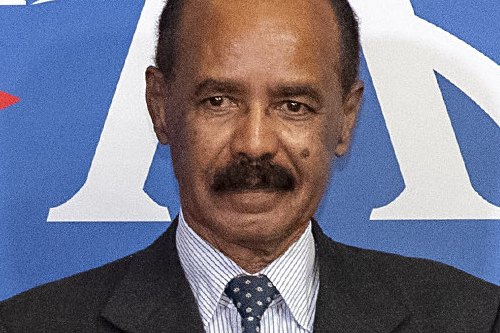
Photo: Quirinale (Francesco Ammendola and Paolo Giandotti) (Attribution)