
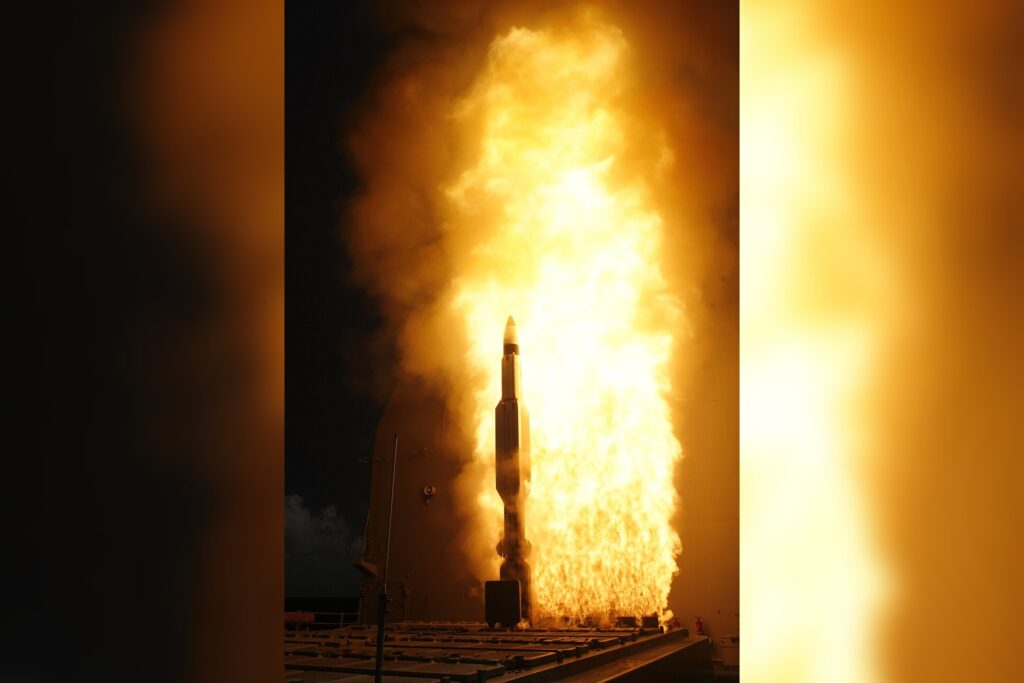
The fighting that began on 13 June 2025 with an Israeli strike on Iranian military and nuclear facilities concluded on 24 June 2025 with a cease‑fire brokered under U.S. pressure. The armistice was not the result of diplomatic negotiations alone; it followed a rapid escalation that involved American bombs and Iranian missiles. Israel’s opening attack targeted Iran’s nuclear programme, killing several nuclear scientists and damaging nuclear installations.
The operation also eliminated senior military figures and caused civilian casualties. In response, Iran launched more than 550 ballistic missiles and over 1,000 suicide drones, striking a wide array of targets that included at least twelve military, energy and government sites, a hospital and several civilian population centres.
The scale and sophistication of the Iranian salvo marked a notable intensification of the long‑standing proxy conflict. For nine days the confrontation remained between Israel and Iran. On 22 June, the United States entered the war, bombing three Iranian nuclear sites in an effort to curb Tehran’s capacity for retaliation.
The U.S. action was intended to degrade Iran’s ability to strike back, but the very next day Iranian forces fired missiles at a U.S. base in Qatar, expanding the conflict to three active combatants. The Iranian missile and drone attacks overwhelmed Israeli air‑defences, and the strike on the hospital signaled Tehran’s willingness to target non‑military locations.
Both sides suffered significant losses: Israel lost senior military commanders and civilians, while Iran suffered the death of nuclear scientists and damage to its nuclear infrastructure. The United States, meanwhile, lost its earlier stance of non‑involvement. Two days after the U.S. bombing, a cease‑fire was announced. While the pause was achieved under American diplomatic pressure, the underlying disputes that sparked the war remain unresolved.
Iran’s nuclear programme, though impaired, continues to exist, and the “Axis of Resistance” that supports Tehran’s regional agenda remains intact. Israel’s military leadership has been weakened, and the United States is now directly implicated in the conflict beyond its initial intervention.
The twelve‑day war altered the regional security landscape. Iran’s deployment of more than 550 ballistic missiles and over 1,000 suicide drones demonstrated a new level of capability and aggression. The targeting of a hospital introduced a harsher dimension to the hostilities, and the U.S. strikes on Iranian nuclear sites represented an unprecedented direct confrontation between the two powers.
Although the cease‑fire holds for now, the forces that drove the conflict have not been neutralised. The proxy war has transitioned into a direct confrontation, and the question of Iran’s nuclear ambitions remains open.
Casualties and material damage are already substantial, and the fragile truce will be tested as the involved parties navigate the unresolved strategic issues.




