
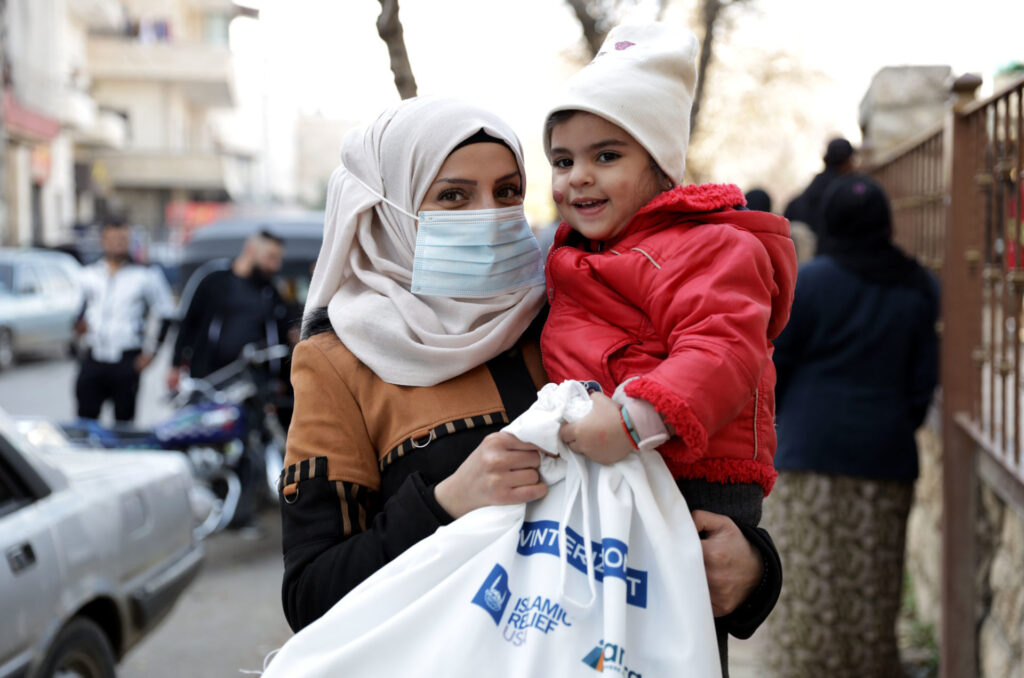
UNITED NATIONS, September 22 — The UN Children’s Fund is asking donors for $97.5 million to shield 540,000 children and their families in Gaza and the West Bank from another winter of freezing temperatures, heavy rain and flooding. UNICEF announced the appeal in a press release, warning that the coming months will test families who are already living without adequate shelter.
Nearly 84 per cent of Gaza’s population — more than 1.76 million people — are crowded into displacement sites or damaged buildings, structures that offer little protection once the cold sets in. The agency’s own figures from last winter show what that exposure can mean.
At least 11 children in the Gaza Strip, including infants, were reported to have died from hypothermia.
What the money would buy
If the appeal is met, UNICEF says it will deliver more warm clothing, thermal blankets, digital cash assistance, emergency shelter reinforcements and tents. The agency will also work with partners to cut flood and disease risks in the crowded sites where families have gathered. Timing is the constraint.
UNICEF is urging donors to give flexible funding quickly so supplies can be pre-positioned before winter arrives, rather than purchased after the first storms. Conditions in the West Bank add a separate set of pressures.
UNICEF cited violence, displacement, movement restrictions and a deepening financial crisis as factors limiting vulnerable families’ ability to cope with winter shocks.
Health facilities and Haiti
Separately, UN Humanitarian Coordinator for the Occupied Palestinian Territory Ramiz Alakbarov announced on Thursday that the UN’s aid agency, OCHA, will allocate $2 million to power health facilities in Gaza for four months. Elsewhere, the UN’s Food and Agriculture Organization is reaching 13,000 vulnerable households — roughly 65,000 people — across 10 municipalities in Haiti’s Artibonite, Centre and Ouest departments, helping them restore local food production amid one of the world’s most severe hunger crises.
More than half of Haiti’s population faces acute food insecurity, which FAO attributes to violence, economic collapse, broken supply chains and repeated climate shocks. The FAO programme, funded with more than $16 million through a UN-managed pooled funding mechanism, will deliver more than 205 tonnes of crop and vegetable seeds and more than 160,000 small livestock to 326,000 vulnerable people.
A second phase will bring ducks, poultry, guinea fowls, rabbits and goats to more than 29,394 households. FAO Representative in Haiti Pierre Vauthier said emergency food production is “a life-saving intervention that empowers vulnerable households to quickly produce food and reduce reliance on importations and repeated humanitarian assistance.” He added that the campaign is “implemented by Haitians for Haitians,” and that investing in local capacities is one of the most effective ways to answer the food crisis.
Local communities are helping FAO identify those most in need and decide what support will help most.
Mediterranean crossings
New data from the UN’s International Organization for Migration shows a different pattern on Europe’s sea borders. Nearly 60,000 migrants and refugees have reached Europe by sea so far in 2026, a 39 per cent decline from the same period last year. But at least 2,292 people have died or gone missing attempting the journey, up from 1,999 by the same time last year.
Arrivals in Italy from the Central Mediterranean route fell 55 per cent, from 48,231 to 21,393, while deaths on that route rose from 844 to 996. On the Eastern Mediterranean route, arrivals in Greece fell by about 5,000, while deaths increased by 133.
Spain also recorded fewer arrivals. For UNICEF, the next marker is whether donors commit before the weather turns. The agency says pre-positioned supplies are the difference between families receiving blankets and warm clothing in time, or waiting for them after the cold has already arrived.




