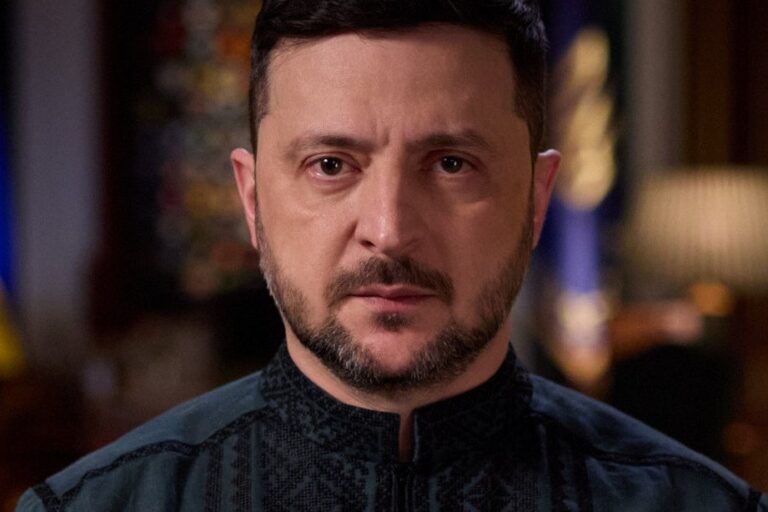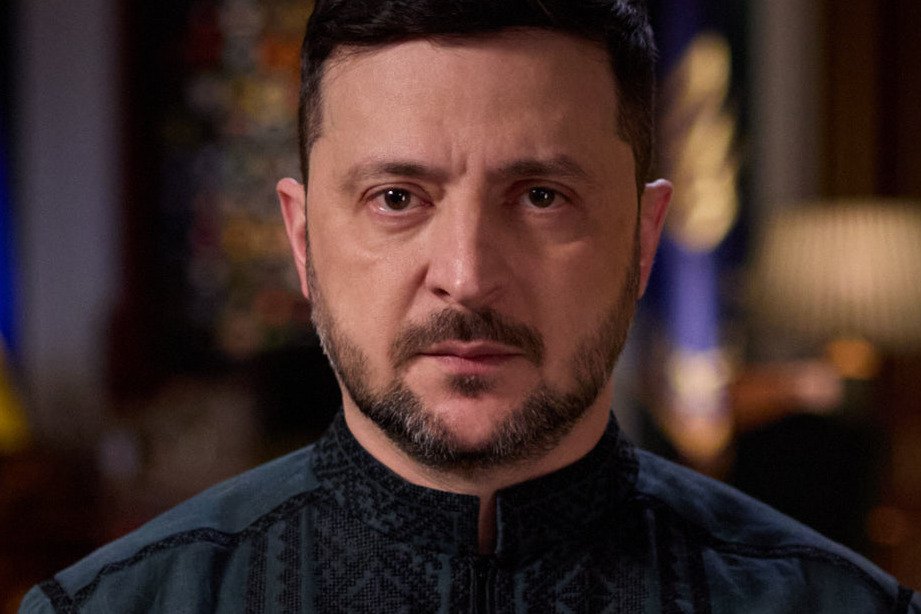
President Donald Trump has declared the Russia-Ukraine war close to a resolution, identifying the personal animosity between Vladimir Putin and Volodymyr Zelenskyy as the primary obstacle to peace. In a CBS News interview, the U.S. president suggested Kyiv may ultimately need to accept a “different shape” regarding its territory as part of any final settlement.
The Current Diplomatic Impasse
Against this backdrop, the conflict enters a critical phase. The war began in February 2014 with the Russian occupation and annexation of Crimea, escalating into the largest conflict in Europe since World War II when Moscow launched a full-scale invasion in February 2022. More than one million casualties have been recorded since then, and Russia currently occupies roughly 20 percent of Ukrainian territory. Diplomatic efforts mediated by Washington have yet to produce a ceasefire, with the two sides divided over territorial concessions and security guarantees. High-stakes trilateral discussions are scheduled for Abu Dhabi on November 10 and 11, with European partners joining American special envoys Steve Witkoff and Jared Kushner.
Historical Precedents for Managing Intractable Border Conflicts
In the corridors of European diplomacy, the current standoff recalls the frozen conflicts that defined the continent’s eastern flank for decades. The division of Germany after 1945, the status of Trieste until 1954, and the Cyprus dispute since 1974 all demonstrate that territorial disputes can be managed for generations without formal resolution. The Minsk II agreements of February 2015 attempted a similar framework for the Donbas, establishing a ceasefire and a path to reintegration that was never fully implemented. The frontlines calcified into static trench warfare, a pattern that has now expanded across a vastly longer contact line. History suggests that when both belligerents reject immediate compromise, the international community often settles for conflict management over conflict resolution, institutionalizing lines of control that lack legal recognition but persist on the ground.
The Role of Localized Humanitarian Ceasefires
Against the failure of grand bargains, localized humanitarian pauses have emerged as the only functioning confidence-building measures. A temporary six-day ceasefire in Oleshky, brokered by First Lady Melania Trump and Pope Leo XIV, allowed for the evacuation of 167 civilians from the Kherson region town between October 27 and November 1. It marked the first long-term successful peace effort since the war began in 2014. Zelenskyy praised the mediation, noting the security conditions ensured by Ukrainian forces. The White House statement anticipated that evacuees would be transported to destinations of their choosing, including Russia. Yet the truce did not address the underlying political and territorial causes of the conflict. In the wider picture, such episodes resemble the humanitarian corridors negotiated during the siege of Sarajevo or the localized truces in Syria: they save lives in the moment but rarely translate into broader political momentum.
Evaluating the Feasibility of Territorial Adjustments
The prospect of formal territorial adjustments — implied by the U.S. president’s reference to a “different shape” for Ukraine — collides with the military realities of 2026. Ukrainian long-range drone strikes have damaged up to 40 percent of Russia’s oil refining capacity, demonstrating Kyiv’s ability to project power deep behind the front lines. Conversely, Russian forces continue to target Ukrainian energy infrastructure, with one of the largest attacks on the power grid recorded on November 4. Mediazona’s tracking of Russian military losses, updated as recently as November 6, 2026, underscores the grinding attrition that defines the current phase. Any redrawing of borders would require one side to accept losses it has not yet been forced to concede, or a security architecture robust enough to prevent the renewed conflict that followed previous European territorial settlements imposed without mutual consent.
The Path Forward: Balancing Security Guarantees with Territorial Integrity
As the Abu Dhabi talks approach, the tension between security guarantees and territorial integrity remains the central knot. European nations, preparing a future force of 2,800 troops from 11 countries for a first rehearsal in Poland, are planning for a peace that does not yet exist. The Kremlin has signaled “no similar plans” after the Oleshky ceasefire, while Kyiv moves to establish a center for the return of civilians held by Russia. The historical record offers no perfect template, but it does offer a warning: settlements that leave the core grievances of either side unaddressed tend to fracture, while those that impose a victor’s peace tend to radicalize. The next scheduled update to Mediazona’s casualty count will arrive in two weeks.
Sources
- 'I inherited that war': Trump blames 'hatred' between Putin, Zelenskyy for Russia-Ukraine conflict
- Russo-Ukrainian war
- War in Ukraine | Global Conflict Tracker
- Russian losses in the war with Ukraine. Mediazona count, updated
- Russo-Ukrainian war, day 1714: Russia launches one of largest attacks on Ukraine’s power grid of war
- Civilians Evacuate Oleshky As Russo-Ukrainian Ceasefire Draws To An End
Photo: Press Service of the President of Ukraine (CC BY 4.0)