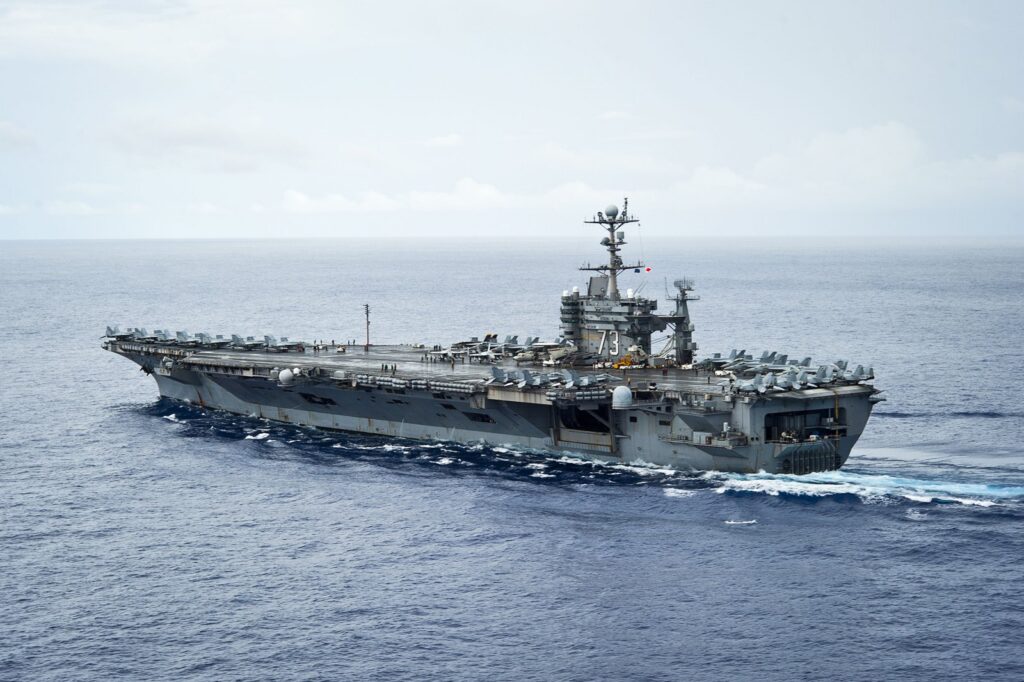
DOHA, November 7, 2026 — President Donald Trump has stated there will be no further strikes against Iran before Tuesday’s midterm elections, though he has not ruled out military action afterward. Secretary of State Marco Rubio, speaking at a G20 press conference in Atlanta, confirmed that Washington has not yet decided on new strikes, even as peace talks remain stalled.
For all the noise surrounding potential escalation, the salient point is that diplomacy, however fragile, remains the active track. Qatar’s Foreign Ministry spokesperson said on Tuesday that both parties are reviewing mediator proposals, noting that differences remain but that talks are continuing. Iranian negotiators left Doha on Sunday after three days of discussions, and a Qatari team traveled to Tehran on Monday night before returning to the Qatari capital.
A Divided Tehran
The domestic landscape in Iran offers little clarity on whether the country is moving toward a deal or preparing for war. A senior Iranian official told Reuters that Tehran and Washington remain far from a deal, asserting that Iran will not accept what he described as Washington’s “excessive demands.” This sentiment is echoed in the hardline press, where the newspaper Kayhan dismissed US threats as psychological warfare, insisting Iran does not seek war but does not fear it.
Conversely, the reformist daily Etemad outlined three positions: surrender, warmongering, or de-escalation. The paper backed President Masoud Pezeshkian’s approach, which critics and supporters alike describe as a nuanced management of hostility. Former parliament committee chairman Heshmatollah Falahatpisheh offered a darker assessment, arguing that the intensive Qatari mediation reflects alarm over both sides’ plans for a new war rather than genuine progress.
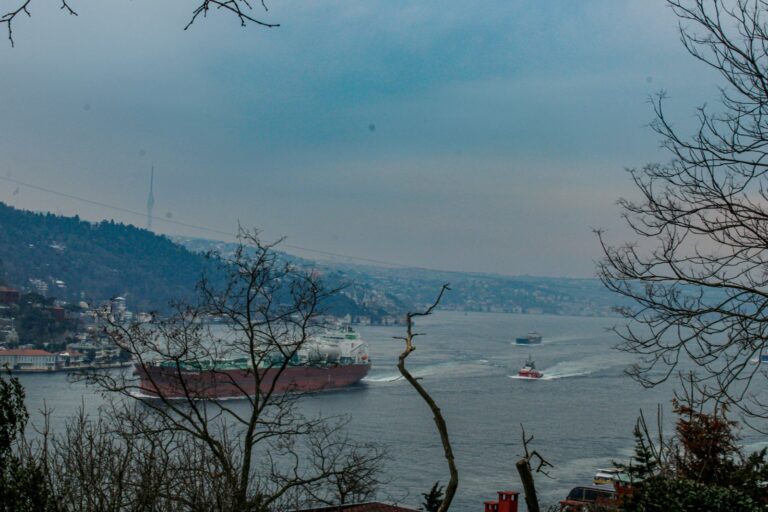
Foreign Minister Abbas Araghchi has suggested reopening the Strait of Hormuz within two days of an agreement, leaving nuclear issues for a second phase. This proposal aligns with Tehran’s seven-step September plan to end the US naval blockade. However, the immediate focus in Tehran is administrative confusion regarding negotiating authority.
The Vance Letter
Vice President JD Vance sent a letter to Mohsen Rezaei, secretary of the Supreme National Security Council, creating confusion over who holds the ultimate decision-making power. After a week of ambiguity, Foreign Ministry spokesman Esmail Baghaei clarified on Monday that Parliament Speaker Mohammad Bagher Ghalibaf remains in charge of negotiations. However, Rezaei will answer Vance’s letter because it was addressed to him. Ghalibaf has not spoken publicly about a nuclear agreement for weeks.
This bureaucratic friction underscores the complexity of the diplomatic channel. Vance’s outreach, which included Iran’s nuclear programme on the table from the start, was framed by some observers as an attempt to secure a diplomatic success before the US election. Yet, the split in messaging suggests that Washington’s pressure strategy has not yet yielded a unified Iranian response.
Military Posturing and Economic Realities
While diplomats shuttle between Doha and Tehran, military preparations continue on both sides. US allies in the Persian Gulf have reportedly been told to prepare for possible strikes after November 4. In response, Supreme Leader Mojtaba Khamenei ordered Iran’s armed forces to prepare for war across an extended front. Iran’s Army spokesman, Mohammad Akraminia, warned that renewed fighting could spread beyond the countries and territories involved in previous rounds of the war, stating that the geography of the conflict could expand beyond West Asia.
Hardline rhetoric has intensified, with Kayhan arguing that American and NATO facilities in Europe could be targeted if attacks resume. The newspaper named military facilities in Cyprus, Greece, Romania, Albania, Italy, and Britain, as well as the joint US-British base on Diego Garcia. A senior Basij commander, Ghassem Ghorayshi, stated that Iran’s armed forces would no longer be bound by previous limits on missile range or target selection, though these remarks do not establish that Iran has formally changed its military doctrine or developed new long-range capabilities.
The economic stakes are equally high. Economist Mahmoud Jamsaz warned that Tehran may be misreading Washington. He noted that during the closure of the Strait of Hormuz, China drew on its strategic reserves and cut imports, countering forecasts of oil prices reaching $200 to $300 a barrel and thereby weakening Iran’s leverage. Jamsaz argued that a prolonged confrontation would bring foreign-currency shortages, a falling rial, and runaway inflation, ultimately destroying the middle class.
International Reactions
International leaders have largely urged restraint. German Chancellor Friedrich Merz stated that the conflict cannot be resolved by military means and said Germany was working through many channels to intensify diplomatic efforts. In the United States, Democratic Senator Chris Murphy called the administration’s approach “insane” and warned of a devastating escalation.
The situation presents a stark choice for the region: a negotiated end to the eight-month war or a return to full-scale strikes. As the midterm elections approach, the window for a diplomatic breakthrough narrows, with both sides seemingly preparing for the possibility that talks may fail. The next few days will determine whether the Qatari mediation succeeds in bridging the gap between Tehran’s security concerns and Washington’s strategic demands.
Sources
- Marco Rubio Says Trump Has Not Decided New Iran Strikes as Talks Stall: how 5 outlets framed it | NewsCord
- Tehran’s factions weigh Doha talks as hardliners prepare the public for war
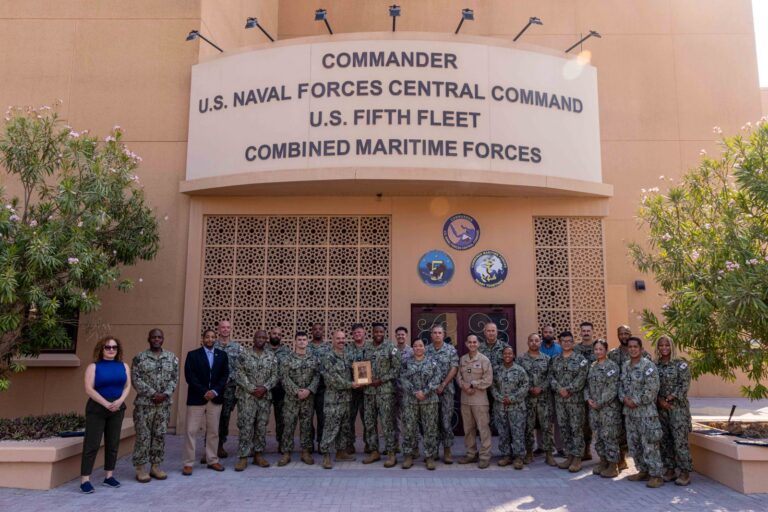
Photo: Mass Communication Specialist Seaman Ricardo R. Guzman/U.S. Navy (Public domain)