
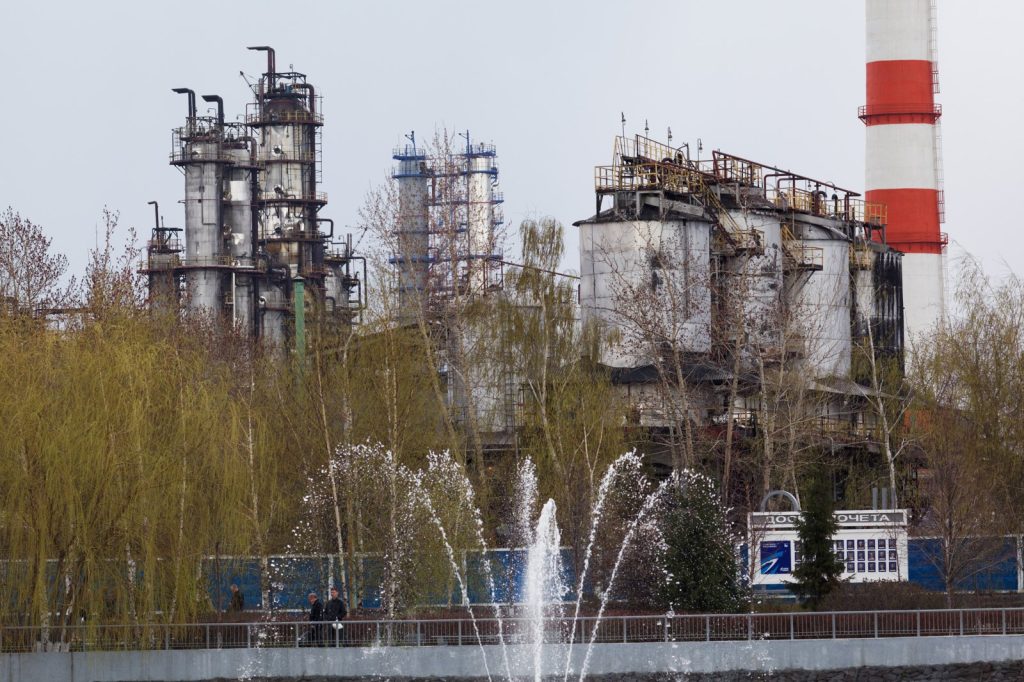
ROME, July 10 — The mechanics of modern warfare have a long memory. When Ukrainian drones strike Russian oil facilities today, they are following a playbook written over concrete and crude oil decades ago. The historical record is clear.
From 1944 to 1945, the Allied forces conducted a systematic oil campaign against Nazi Germany, targeting synthetic fuel plants and refineries. The Leuna synthetic oil plant alone produced about 30% of Germany’s synthetic fuel.
By April 1945, German fuel production had fallen by 90%. The collapse of the fuel supply contributed to the collapse of the German war machine. The same logic reappeared in the Iran–Iraq War, from 1980 to 1988.
Both sides targeted each other’s oil facilities. In 1986, an attack on Iran’s Kharg Island terminal reduced Iran’s oil exports by 50%.
Then came the 1991 Gulf War. Coalition forces bombed Iraqi oil refineries and storage facilities. The aim was to cut off funding for Saddam Hussein’s regime.
Ukraine’s current campaign fits this pattern. The technology has changed — modern drones instead of B-17 bombers — but the strategic logic remains. The goal is to reduce Russia’s oil revenue and its military fuel supplies.
The Strategic Calculus
The historical precedent suggests this can work. The Allied oil campaign did not win the war by itself, but the 90% drop in fuel production by April 1945 meant that Germany’s fuel supply for its military was crippled. The same logic applies today.
But there is a difference. The Allied campaign in World War II was massive, sustained, and coordinated across multiple air forces over many months.
Ukraine’s drone strikes are smaller in scale, though they are repeated and targeted. The question is whether they can achieve a similar cumulative effect.
The Iranian Precedent
The Iran–Iraq War offers another data point. The attack on Kharg Island in 1986 was a single blow. It cut Iran’s oil exports by half.
For Russia, the stakes are even higher. Russia is a major global oil exporter.
A sustained reduction in its refining capacity or export capability would not only affect its military but also its economy and its ability to fund the war over the long term.
The Gulf War Template
The 1991 Gulf War showed a different angle. Coalition forces bombed Iraqi oil refineries and storage facilities not just to stop fuel for the military, but to cut off the funding stream for Saddam Hussein’s regime. Ukraine’s campaign appears to combine both objectives: reduce Russia’s military fuel supplies and cut its oil revenue.
The drones are the tool, but the strategy is as old as strategic bombing itself.
What to Watch Next
The historical record suggests that targeting oil infrastructure can have a significant impact on an adversary’s ability to wage war. But the mechanics are not automatic. The defender can repair facilities, find alternative sources, or adapt.
The attacker must sustain the pressure over time. For Ukraine, the key will be persistence.
One drone strike is a headline. A hundred drone strikes over months is a strategy. The question now is whether Ukraine can maintain the tempo and whether Russia can effectively defend its oil infrastructure.
The history is clear on the potential. The outcome remains to be written.




