
A Legacy of Under-Investment and War
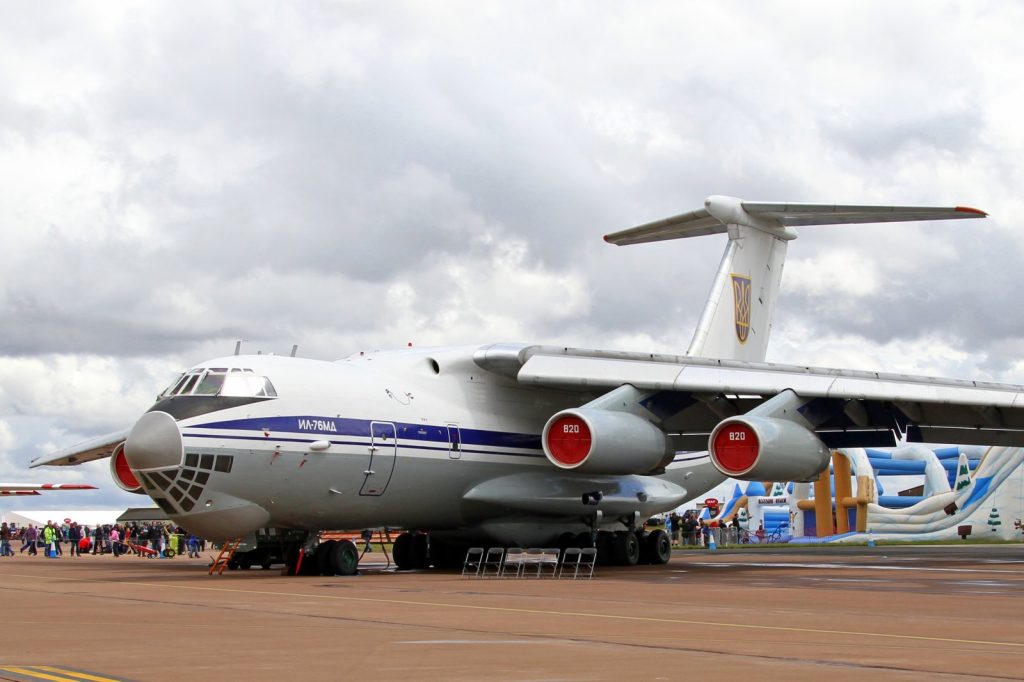
The trend underlying this transformation has been decades in the making. When the Soviet Union dissolved in 1991, Ukraine inherited enormous stocks of aircraft left on its territory. Chronic under-investment after independence, however, meant that most of that inventory was mothballed or otherwise inoperable. The domestic defense industry–including Ukroboronprom and its Antonov subsidiary–has been able to keep older planes flying, but the war with Russia has made the need for modern, sustainable platforms urgent.
The modern Ukrainian Air Force was established on March 17, 1992, based on a directive from the Chief of the General Staff of the Armed Forces of Ukraine. It took its current form in 2004, when the Ukrainian Air Defence Forces were merged into the Air Force. The service previously operated during the war in Donbas, but following the 2014 ceasefire it was suspended from carrying out missions in those areas. That changed entirely with the full-scale invasion in 2022. Since then, the Air Force has been engaged in constant combat operations against the Russian invasion.
Current Operations and Core Mission
The role of the Ukrainian Air Force is to protect Ukraine’s airspace. Its objectives include obtaining operational air superiority, delivering air strikes against enemy units, covering troops against enemy air strikes, and providing air support to the Ground Forces, Marine Corps, and Navy. The service also manages reconnaissance, cargo transportation, and airdrops. A current priority is combatting enemy jets that drop glide bombs, a threat that underscores the need for modern air-to-air capabilities.
Military aviation in Ukraine began with the creation of the Ukrainian People’s Republic Air Fleet, a historical foundation that evolved through Soviet rule and independence. Today, the service’s responsibilities have expanded beyond defense of national territory to include constant offensive and defensive operations. The full-scale invasion forced the Air Force to adapt rapidly, shifting from a largely mothballed inventory to a force that must fight every day.
Building the Future Fleet
Looking ahead, the trajectory is unmistakable. The F-16s and Mirage 2000s now in service are the bridge between Ukraine’s Soviet-era legacy and a Western-standard fleet. The destination is a force centered on the Gripen and Rafale combat jets, supported by Saab 340 AEW&C aircraft for airborne early warning and control. These platforms offer modern sensors, weapons, and sustainment that the older Soviet aircraft lack.
The transition is not just about replacing hardware; it is a strategic investment in long-term capability. Ukraine’s domestic defense industry, including Ukroboronprom and Antonov, continues to maintain older planes, but the war has made clear that a sustainable, modern air force is essential for the nation’s security. The Ukrainian Air Force is not just fighting a war–it is rebuilding itself for the long haul. Every aspect of this generational shift, from the phased introduction of Western types to the gradual retirement of aging Soviet airframes, points toward a future where Ukraine’s air arm is fully integrated with Western doctrine and technology.




