
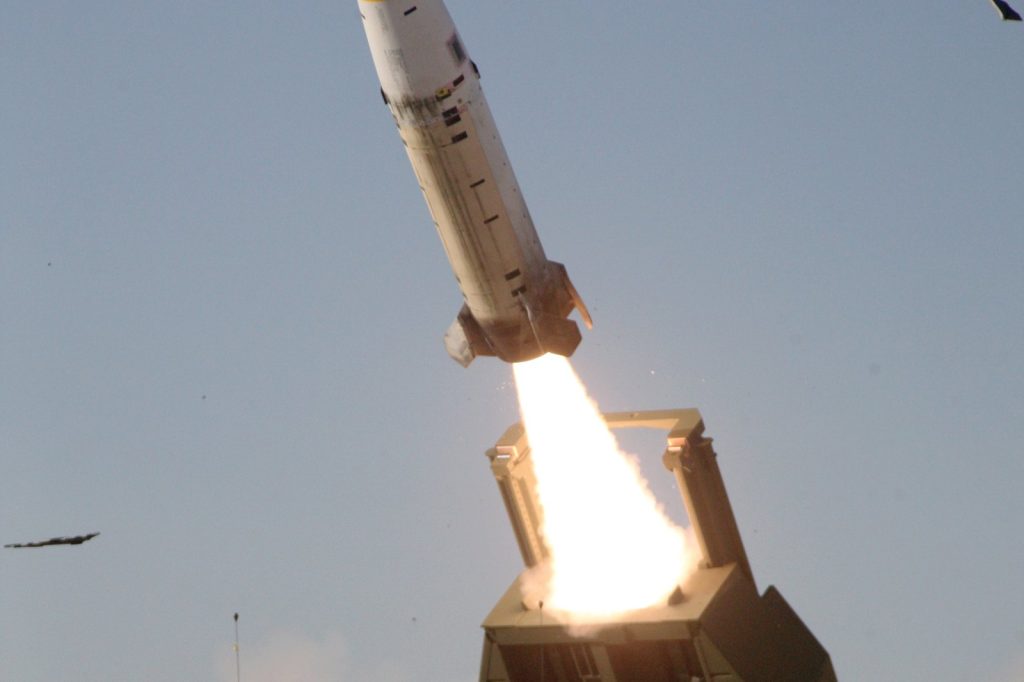
The Kremlin’s calculation of risk just shifted. On November 15, 2024, Ukrainian long-range missiles hit targets inside Russia. This is not a new weapon on the battlefield.
It is a new geography of war. For months, the United States and NATO supplied Ukraine with the hardware but kept a leash on its range.
That leash is gone. The Western alliance now openly backs strikes on Russian soil. The decision was deliberate.
It was not a battlefield accident or a Ukrainian solo move. The support from Washington and Brussels is explicit.
The report states the US and NATO have supported Ukraine’s deployment of these missiles, underscoring the Western alliance’s commitment to Ukraine’s defense. Read that carefully. This is not about arming a defensive position.
This is about enabling offensive strikes across a sovereign border, one that Moscow has long treated as a red line. The West just stepped over it. Ukraine’s military capabilities have grown sophisticated enough to make this possible.
That sophistication did not appear from thin air. It came from years of training, intelligence sharing, and weapons deliveries.
The alliance’s strategy is now visible in full: build up Ukraine’s force until it can hit back at the source of the aggression, not just repel the attack at the front line. The signal to Moscow is blunt. The report says this support sends a strong signal to Russia, underscoring the West’s commitment to Ukraine’s defense and its determination to counter Russian aggression.
There is no ambiguity there. No diplomatic fog.
The US and NATO are telling the Kremlin that the war will not be contained to Ukrainian territory. If Russia fires missiles into Ukraine, Ukraine will fire missiles into Russia. This changes the logic of escalation.
For Russia, the cost of continuing the war just rose. Every launch pad, every logistics hub, every command post inside Russia is now a potential target. The buffer zone Moscow thought it had is gone.
For Ukraine, the benefit is immediate. Striking inside Russia disrupts supply lines and forces the Russian military to spread its air defenses thin.
It also gives Kyiv a psychological weapon: the war is no longer fought only in Ukrainian cities and fields. It is now fought on Russian ground. The report flags a critical question: how will Russia respond?
Moscow has threatened retaliation for any use of Western weapons on its soil. Those threats are now being tested.
The Kremlin could escalate further — cyberattacks, sabotage in Europe, or even a direct strike on a NATO supply route. Or it could absorb the blow and adjust its tactics. The report says the US and NATO’s support for Ukraine’s use of long-range missiles is a calculated move.
That calculation assumes Russia will not trigger a direct NATO war. It is a gamble. The broader geopolitical landscape is shifting under this event.
The war is no longer a regional conflict with a clear defensive posture from the West. It is an open proxy war with offensive reach.
Every missile that lands on Russian soil is a statement: the West is not neutral. It is not sitting on the sidelines. It is fighting, by proxy, inside Russia.
The report makes clear this development has significant implications for the conflict and the broader geopolitical landscape. Those implications are only beginning to surface.
What happens next depends on whether Moscow blinks or doubles down.




