
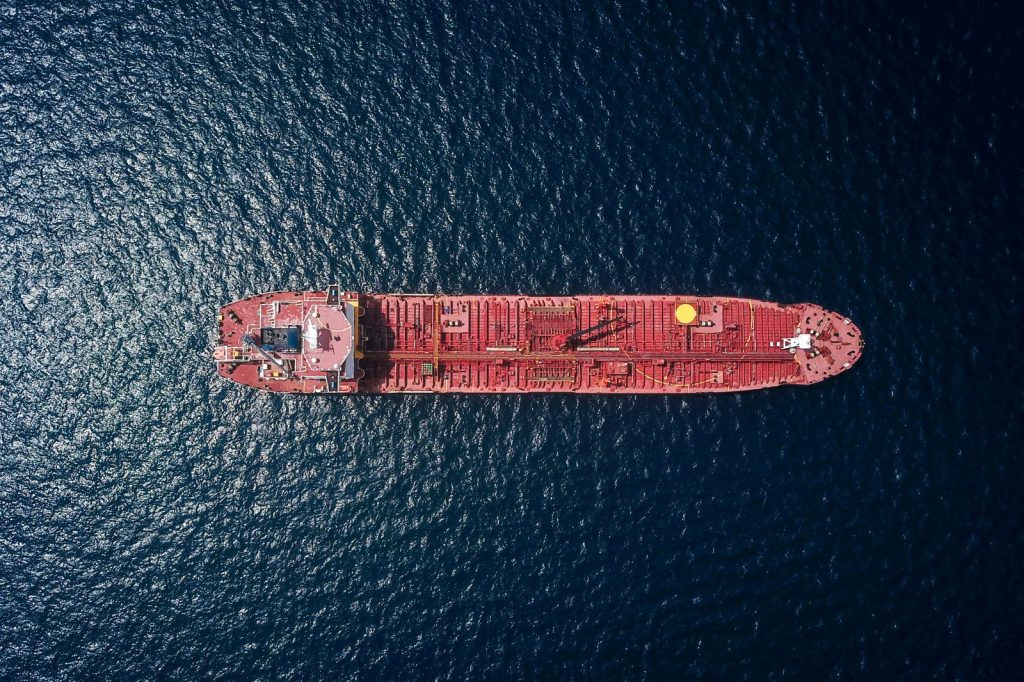
The United States has announced a comprehensive naval blockade on Iranian oil exports, scheduled to take full effect on May 1, 2025, a move that threatens to close the Strait of Hormuz and has already driven up insurance premiums for vessels in the region. Under the administration’s plan, the U.S. Treasury Department will issue implementing regulations in the months leading up to the May 1 deadline, while the State Department concurrently notifies allied governments.
As a preparatory measure, the U.S. Navy will begin boarding and inspection operations on April 15, providing a six-week “warm-up” period to establish a presence and refine operational procedures before the full embargo takes hold.
Diplomatic Timeline and Iranian Responses
Iran’s Foreign Minister Abbas Araghchi stated on March 18 that Tehran would “respond decisively” to the blockade and may close the Strait of Hormuz — a threat Iran has made on five prior occasions: 1984, 1987, 2008, 2012, and 2019. The United Nations Security Council has scheduled an emergency session for March 20, just two days after Araghchi’s warning, which will test international solidarity on the issue. Additionally, the International Maritime Organization has already designated the Strait of Hormuz as a “high-risk area” effective April 1, reflecting growing concerns over maritime security in the vital waterway.
Historically, Iran’s repeated threats to close the strait have been bluffs, but analysts note that the current escalation carries higher stakes given the scale of the planned enforcement. The standoff represents a significant act of enforcement through economic and military pressure, a tool frequently used in international disputes.
U.S.-Iran relations have been marked by shifting alliances and tensions since the mid-19th century, with periods of cooperation followed by deep distrust after the 1953 coup that reinstated the Shah. The current confrontation reflects a broader pattern of policy enforcement aimed at curbing Iranian oil exports, a key source of revenue for Tehran.
Immediate Economic Consequences and Global Reactions
The financial impact of the blockade is already visible. Lloyd’s of London reports that insurance premiums for vessels transiting the Strait of Hormuz have risen 10% to 15% — a direct market response to the escalating confrontation.
This increase affects shipping costs for oil and other commodities passing through the strait, which is a critical chokepoint for global energy trade. The European Union, which imported 500,000 barrels per day of Iranian oil in 2024, has called for “de-escalation,” reflecting its dependence on Iranian crude and concerns over supply disruptions. China, the largest single buyer of Iranian crude at 1.2 million barrels per day in 2024, has criticized the move, signaling potential diplomatic friction with Washington.
The State Department’s consultations with allied governments in the coming months will reveal which nations, if any, agree to participate in or support the naval operation. The Treasury Department’s implementing regulations, expected before May 1, will determine the precise scope of the sanctions, including which entities and transactions are targeted.
These regulations will be critical in shaping enforcement mechanisms and the overall effectiveness of the blockade. The Strait of Hormuz has long been a flashpoint in U.S.-Iran tensions, with its strategic importance underscored by the fact that a significant portion of the world’s oil supply transits the waterway. This planned blockade tests the limits of economic and military leverage, affecting trade routes, diplomatic relations, and regional stability.
As the April 15 boarding and inspection operations approach, the Navy will have a six-week window to establish a robust presence and work out operational procedures before the full embargo takes effect on May 1. The March 20 UN Security Council session will provide an early indication of international consensus on the legality and advisability of the blockade, while the IMO’s high-risk designation signals that maritime authorities are bracing for potential confrontations.




