
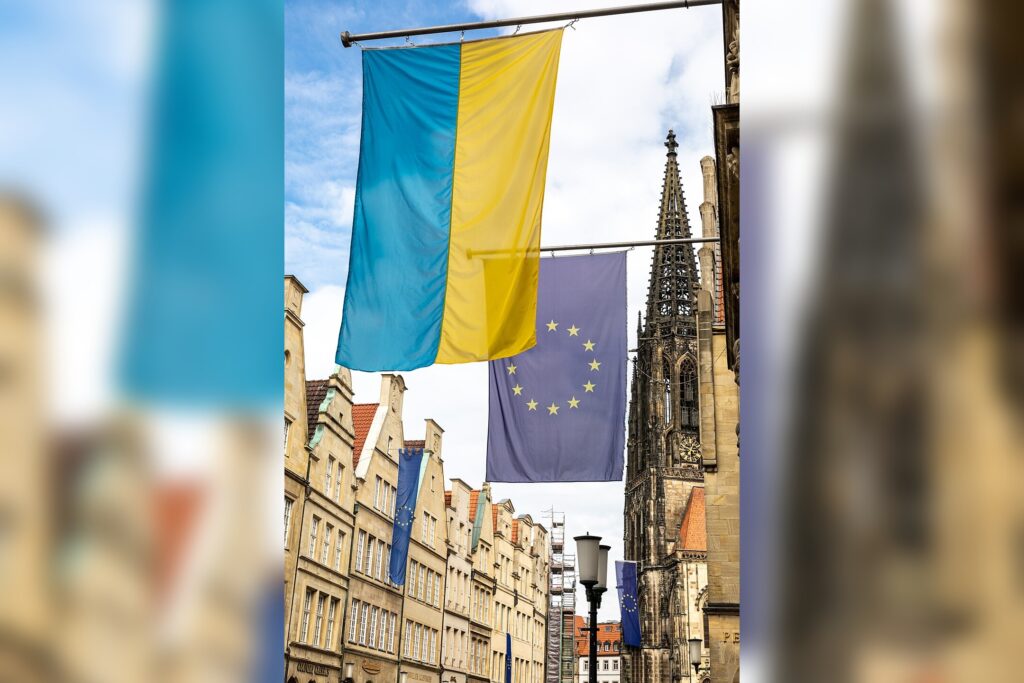
The war in Ukraine has entered its third year as a grueling conflict of attrition along the eastern and southern fronts, but its roots stretch back centuries. Ukrainian territories were long contested among the Ottoman, Russian, and Austrian empires, while Cossack states and later independence movements in the 20th century fought for sovereignty against neighboring powers.
The modern phase of the struggle began in 2014, when Moscow annexed Crimea and backed separatists in the Donbas, sparking a low-intensity war that never fully ended. That unresolved confrontation escalated dramatically on February 24, 2022, when Russia launched a full-scale invasion, triggering the largest conventional conflict on the European continent since World War II and fundamentally reshaping Europe’s security architecture.
From Rapid Assault to Grinding Stalemate
The opening phase of the invasion was marked by a Russian attempt at a swift decapitation strike against Kyiv. The Battle of Kyiv, which ran from February to April 2022, ended in a failed Russian encirclement and a humiliating withdrawal. Simultaneously, the Siege of Mariupol, lasting from February to May 2022, became a symbol of urban destruction, with the port city reduced to rubble before it finally fell.
Ukrainian forces demonstrated a capacity for operational-level planning that surprised many Western analysts. The Kharkiv counteroffensive in September 2022 punched through Russian lines in the northeast, recapturing hundreds of square kilometers of territory.
That was followed by the Kherson counteroffensive from August to November 2022, which forced Russian troops to retreat across the Dnipro River. These successes, however, did not turn the tide decisively. As of August 2024, fighting continues in eastern and southern Ukraine, with neither side able to deliver a knockout blow.
The war has settled into a grinding war of attrition along the eastern and southern fronts.
Staggering Human Toll and Displacement
The human cost has been staggering. Over 10 million Ukrainians have fled their homes since the invasion began. The UNHCR recorded 6.5 million as refugees by 2023, a displacement crisis not seen in Europe since World War II.
Civilian casualties are equally grim: confirmed deaths exceed 10,000, though the actual toll is likely significantly higher, given the difficulty of documenting bodies in occupied or contested areas. The destruction of infrastructure—energy grids, residential areas—has crippled Ukraine’s economy and forced the government to rely on Western financial aid to keep basic services running.
The war’s significance extends beyond the battlefield. The scale of destruction and displacement, the reshaping of European security, and the revival of large-scale conventional warfare on the continent mark this conflict as a historic rupture. With millions forced from their homes, cities devastated, and sustained Western military and financial support flowing to Ukraine, no clear resolution is in sight.
The current war is the latest chapter in a long history of Ukrainian resistance to external domination, and the grinding attrition along the front lines shows no signs of abating.




