
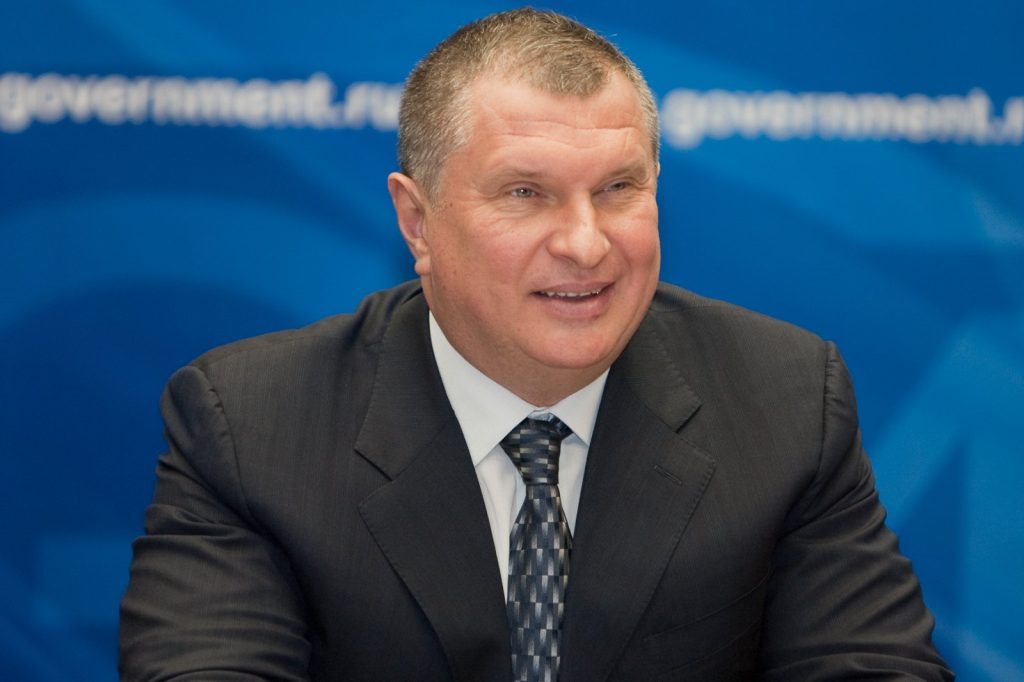
MOSCOW, July 14 — In the corridors of Russian power, few figures embody the fusion of state authority and corporate ambition quite like Igor Sechin, the chief executive of Rosneft, Russia’s largest oil company. As of today, Sechin remains at the helm of an enterprise that, in 2023, produced 4.6 million barrels of oil per day and reported revenues of $92 billion. Yet his operations are under direct and sustained pressure, not only from Western sanctions but from the physical destruction of key infrastructure.
The Ryazan Oil Refinery, a Rosneft facility that processes 17 million tons of crude per year, was struck on January 29, 2025. The attack directly affects Sechin’s operations and, by extension, Russia’s domestic fuel supply.
Against this backdrop, the refinery’s capacity to refine crude into gasoline, diesel, and heating oil becomes a strategic asset — and a vulnerability. The strike on Ryazan is not an isolated event; it fits into a wider pattern of assaults on Russian energy infrastructure that have escalated since the full-scale invasion of Ukraine. Sechin, born on September 7, 1960, in Leningrad, has been a close ally of President Vladimir Putin for decades.
He served as Deputy Prime Minister from 2008 to 2012, before taking the reins at Rosneft later that year. His career trajectory mirrors the consolidation of state control over Russia’s energy sector.
Since 2014, following Russia’s annexation of Crimea, Sechin has been under both US and EU sanctions. Additional sanctions were imposed in 2022 after the invasion of Ukraine. What is at stake for Sechin is not merely corporate profit but the operational integrity of Russia’s fuel supply chain.
The Ryazan refinery is one of the country’s largest, and its disruption has ripple effects across the domestic market. Sechin has been a vocal critic of the G7 price cap on Russian oil, set at $60 per barrel in December 2022. He has argued that such measures are designed to cripple Russia’s energy exports, and his public statements have taken a hardline stance against what he terms Western economic warfare.
The wider picture, from a European perspective, is one of sustained economic confrontation. The sanctions regime, combined with targeted strikes on refineries, has forced Rosneft to adapt its logistics and seek new markets, particularly in Asia.
Sechin’s ability to navigate these pressures will determine not only his company’s future but also the Kremlin’s capacity to fund its war effort. For now, the CEO of Russia’s largest oil producer remains a central figure in a conflict that extends far beyond the battlefield.




