
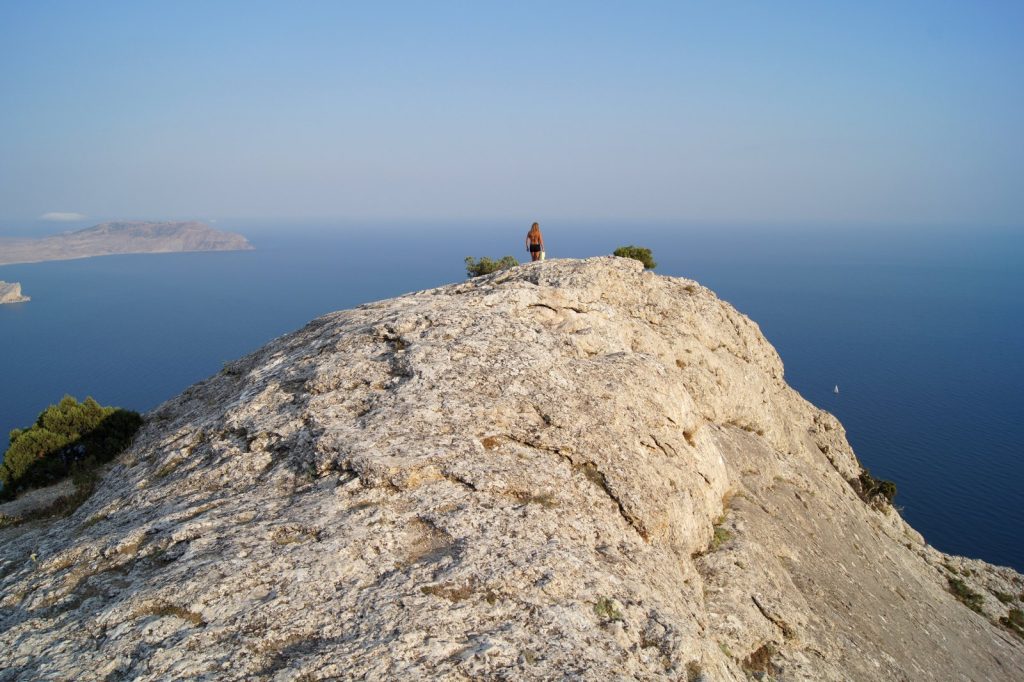
The Crimean Peninsula, annexed by Russia in March 2014 after a disputed referendum that Ukraine and most of the international community consider illegitimate, remains the central pivot of Moscow’s Black Sea strategy. Located on the northern coast of the Black Sea, Crimea hosts the Russian Black Sea Fleet at the warm-water port of Sevastopol. Since the full-scale invasion of Ukraine began in 2022, Russia has used the peninsula as a staging ground for military operations, including missile launches and troop deployments.
In Kyiv, the strategic calculus is clear: Ukraine has repeatedly targeted Russian military assets in Crimea, including the Kerch Strait Bridge–damaged in October 2022 and again in July 2023–as well as naval bases and airfields. The recent strikes on 21 ships are part of a broader campaign to degrade Russia’s ability to project power from Crimea.
The Kerch Strait Bridge, constructed in 2018, serves as a vital supply artery linking the Russian mainland to the peninsula. Its repeated damage has forced Moscow to rely on slower, more vulnerable ferry routes and rail lines.
A Peninsula Shaped by History and Conflict
Crimea’s geography has long made it a crossroads for empires. Ancient Greeks settled the southern coast before the area fell under Roman and Byzantine control.
Later, the Ottoman Empire dominated the region through the Crimean Khanate. The Russian Empire annexed the peninsula in 1783. Following the 1917 Russian Revolution, the territory saw several short-lived regimes before becoming part of the Soviet Union. In 1944, Joseph Stalin ordered the ethnic cleansing and deportation of Crimean Tatars.
The Soviet Union later transferred the region to the Ukrainian Soviet Socialist Republic in 1954. After Ukraine gained independence in 1991, the peninsula became the Autonomous Republic of Crimea.
A 1997 treaty permitted Russia to maintain its naval fleet in Sevastopol, an arrangement that lasted until Russian forces occupied and annexed the territory in 2014. Control of the peninsula determines naval access to the Black Sea. Its geography connects mainland Ukraine via the Isthmus of Perekop and links to Russia through the Kerch Strait.
Because it borders Turkey and Romania, the region remains a center of geopolitical tension. The current conflict over its status affects international maritime security and the stability of European borders.
The 2014 annexation was the first forcible redrawing of European borders since the Second World War, and it set the stage for the 2022 invasion. Every missile launch from Crimean territory, and every ship damaged in the campaign to stop those launches, reinforces the reality that this is not a frozen conflict but an active, escalating front.
Ukraine’s Campaign and the Strategic Stakes
The wider picture extends beyond logistics. By striking at the Black Sea Fleet’s assets, Ukraine is attempting to pry open the naval blockade that has choked its grain exports and to create a buffer zone along the coast.
For European security, the status of Crimea is a live nerve. The repeated damage to the Kerch Strait Bridge has forced Moscow to rely on slower, more vulnerable ferry routes and rail lines, degrading supply lines to the peninsula. The recent strikes on 21 ships are part of a calculated effort to systematically reduce Russia’s ability to project military power from Crimean bases. Looking ahead, the question is whether Ukraine can sustain the tempo of these strikes against a Russian military that has had a decade to fortify the peninsula.
Air defenses around Sevastopol have been thickened, and the Kerch Bridge is now protected by smokescreens and barrage barges. Yet the pattern of strikes suggests that Ukrainian planners are finding gaps in the armor.
The coming months will test whether the degradation of Russia’s naval and logistical assets in Crimea can translate into a meaningful battlefield advantage for Kyiv. The outcome will have implications not only for the war in Ukraine but also for the broader security architecture of the Black Sea region and Europe.




