
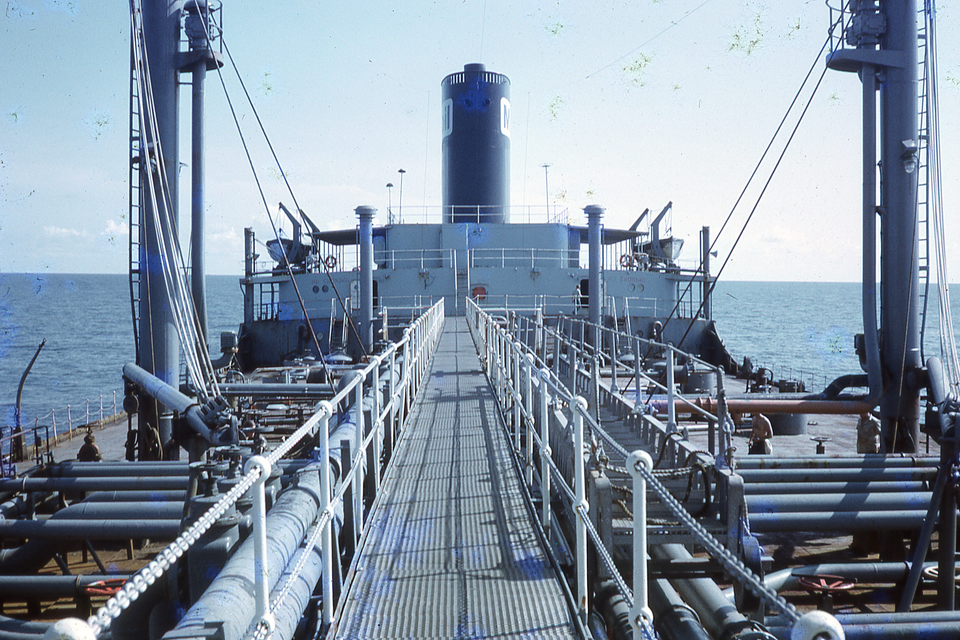
TEHRAN, July 16 — The United States Navy struck an oil tanker in the Strait of Hormuz on April 1, 2025, marking a sharp military escalation in one of the world’s most critical maritime chokepoints. The strait, approximately 21 miles wide at its narrowest point, sees about 20% of the world’s petroleum passing through it daily, according to the U.S. Energy Information Administration. The U.S. Department of Defense confirmed the strike, describing it as a response to recent provocations by Iranian naval forces.
Specifically, the U.S. Department of Defense cited the seizure of a commercial vessel on March 28, 2025, as the provocation that led to the tanker strike. That seizure, attributed to Iranian forces, fits a pattern of operations by Iran’s Islamic Revolutionary Guard Corps in the region.
The IRGC has a documented history of such actions. In 2019, the Corps seized the British-flagged tanker Stena Impero in the same waterway, an incident that drew international condemnation and further strained relations between Tehran and Western powers. Simultaneous with the Strait of Hormuz operation, reports emerged of airstrikes in Tehran, the Iranian capital.
Details on the origin of those strikes and their specific targets remain unconfirmed. No casualty figures are available.
The twin military actions come against a backdrop of heightened tensions that trace back to the U.S. withdrawal from the Joint Comprehensive Plan of Action in 2018 under then-President Donald Trump. That decision unraveled the multilateral nuclear deal and set the stage for a renewed cycle of confrontation between Washington and Tehran. The Strait of Hormuz connects the Persian Gulf to the Gulf of Oman.
Its strategic importance cannot be overstated — a disruption to the flow of oil through the narrow channel would send shockwaves through global energy markets. The United Nations Security Council has called for an emergency session to address the escalating situation. The session signals deep concern among member states about the potential for a broader conflict in a region already defined by proxy wars, shifting alliances, and fragile ceasefires.
For now, the human toll remains unclear. No casualty figures have been released for either the tanker strike or the Tehran airstrikes.
What is clear is that the April 1 operations represent a significant escalation in a confrontation that shows no signs of cooling. The coming days will reveal whether diplomatic channels can reopen, or whether the Strait of Hormuz becomes the flashpoint for a wider war.




